
A punctured gel product deserves a call to your veterinarian or poison-control resource. Learn what product details and warning signs to share.

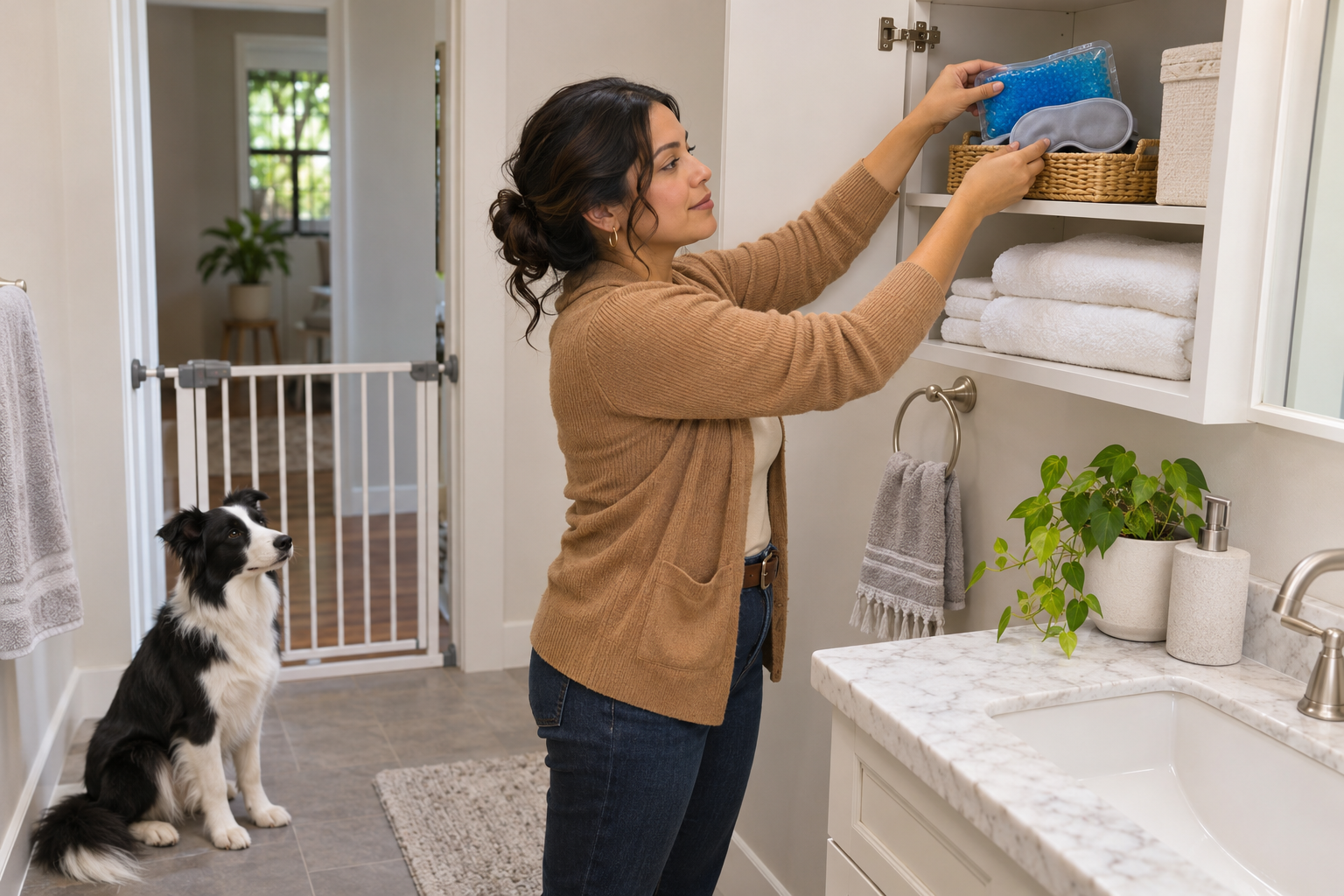
A migraine cap in a bathroom drawer and a cooling pad in the dog’s favorite corner have something in common: both can contain gel a dog might get to by chewing. In October, ASPCA Poison Control warned pet owners about certain gel products and advised them to call a veterinarian or Poison Control if a dog might have punctured one or swallowed its contents. The warning followed a veterinary case series about suspected poisoning linked to certain hydrogel migraine caps, eye masks and wraps.
You don’t have to know what’s inside a pack before you make that call. The study is a reason to take a possible exposure seriously. It can’t tell us how often dogs become ill after chewing a gel product, and it doesn’t prove what caused every reported sign.
What the study actually examined
The study appeared online October 2, 2026, in the Journal of the American Veterinary Medical Association. The researchers reviewed 45 selected dogs in ASPCA Poison Control records. Each had strong evidence of exposure to a hydrogel migraine cap, eye mask or wrap and signs that were judged highly or moderately likely to be related to it. The researchers were describing a set of reported cases, not following every dog that came into contact with these products.
The researchers knew the outcomes for 21 of those dogs: 14 died or were euthanized. They didn’t know the outcomes for the other 24. Those numbers show how serious some of the reported cases were. They don’t tell you the chance that any dog will get sick or die after chewing a cooling product.
The researchers found high levels of residual acrylamide monomer in the hydrogel samples they tested. The findings were consistent with acute acrylamide poisoning, but neither the exposure histories nor the lab findings establish the cause in every dog. And results from the samples tested don’t establish what’s in every other gel product.
The study covered migraine caps, eye masks and wraps. The ASPCA’s separate October 5 warning goes further and includes some cooling pet pads and beds. That makes a chewed pad worth a call, but it does not mean any pet bed was among the exposures studied in those 45 dogs.
What signs were reported
Veterinary records described vomiting, a fast heart rate, seizures, wobbliness and tremors. The ASPCA warning also lists sensitivity to sound or touch and low blood pressure among the signs reported after exposure to various gel products. Dogs won’t necessarily show the same signs or show them in any particular order. You can’t tell from the signs alone what your dog swallowed or whether it’s safe to wait at home.
Sometimes the concern isn’t just the gel. A dog may also have swallowed part of the packaging or the item itself. The ASPCA warns that some gel beads can swell after they’re swallowed and cause a blockage. That’s a separate concern from poisoning, and another reason to tell the vet what product your dog reached rather than assuming all gel-filled items are alike.
What to do after a suspected exposure
If you think your dog chewed or punctured a cooling mat, hot or cold pack, therapeutic wrap, migraine cap or gel bead product, or may have swallowed its contents, call your vet or ASPCA Poison Control at 888-426-4435 right away. Don’t wait for symptoms. If your dog is already showing neurologic signs such as tremors, wobbliness or seizures, go to the nearest veterinarian immediately. Tell them what the dog got into, what you saw, when it might have happened and what signs you’ve noticed.
If it’s safe and won’t slow you down, save the packaging or take a photo of the label. The product name and ingredient list may help the veterinarian make a decision. Don’t put off the call because you can’t find the label. Keep other pets away from any spilled gel; the ASPCA advises using nitrile gloves to clean it up.
Don’t try to make your dog vomit or give a home treatment unless a veterinary professional tells you to. Advice that fits one dog or one substance may not fit another. A dog can look fine after chewing through a pack, and you may not know what it swallowed. Call even if it seems to be acting normally.
Prevention is simpler than guessing
Start with the items you set down without thinking: a migraine cap after a headache, a cold pack after a workout, or a therapeutic wrap left in an open bag. Put them away where your dog can’t reach them. Check pet cooling mats for torn seams, holes or chew marks. The ASPCA advises against leaving pets with these mats unsupervised.
A label that calls a polymer “nontoxic” doesn’t answer what happens if a dog swallows the product. Some products can contain residual acrylamide, and certain gel beads can cause a blockage. Those are reasons to get advice about the exact item your dog chewed, not reasons to assume that every cooling bed is dangerous when used as intended.
A simple home check
Take a quick look around from your dog’s level. Is a bedside drawer hanging open? Is the gym bag on the floor? Is a cooling pad in the crate starting to come apart? Store the gel products you find out of reach and take away damaged items. If you discover a torn pack and think your dog got to it, don’t guess at what’s inside by the color or feel of the gel. Note what part of the item is missing, when it might have happened and anything unusual about your dog’s behavior. If you have more than one pet, keep the others away from the spill while you call.
The warning is dated, not a recall notice
The case series and the ASPCA warning date to October 2026. Neither should be read as a new recall notice, and this reporting does not identify an implicated brand. A product photo or a social post isn’t evidence that a specific item was involved.
The bottom line: put gel products where your dog can’t get to them, pay attention to damage, and call for veterinary advice right away if you think your dog got into one. The reported cases show why that call matters, even though the study can’t say how common the problem is or which individual products carry what risk.
Sources and further reading
More stories
 Daily Doggy NewsWhen a Dog Gets Into Medication
 Daily Doggy NewsCan Dogs Eat Ham? Safety and Serving
 Daily Doggy NewsWhen an Older Dog Suddenly Loses Balance
 Daily Doggy NewsThanksgiving Visitors and Dogs: A Practical Safety Plan
 Tyson’s LifeIf You Cannot Come Home to Your Dog
 Latest Daily Doggy NewsBloat Signs That Need Emergency Care