Repeated unproductive retching, abdominal pain or swelling, weakness, or collapse can signal a life-threatening emergency. Here is what to recognize and what to do next.
If you suspect bloat, call an emergency veterinarian and leave for care immediately. A dog who keeps trying to vomit but brings up little or nothing needs prompt veterinary attention, especially with restlessness, drooling, pain, weakness or a swollen abdomen. These can be signs of gastric dilatation-volvulus, or GDV, a life-threatening emergency often called bloat. You do not need to wait for every warning sign to appear.
The guidance here comes from veterinary sources. The social-media video that prompted this article could not be checked closely enough to verify the dog, the sequence of events, the bill or the recovery. Those details are not repeated here. Knowing when to seek help matters more than the story of a dramatic rescue.
What the warning signs can look like
Repeated, unsuccessful retching is particularly concerning. Some dogs bring up a little foam, so that does not rule out GDV. Your dog may pace, look at the abdomen, stretch, drool, pant or struggle to settle. The belly may look enlarged or feel painful, but swelling can be hard to see beneath the ribcage. Pale gums, weakness, difficulty breathing or collapse are signs of serious illness. A dog does not have to show all of these signs to need urgent care.
These are warning signs, not a way to diagnose GDV at home. Other conditions can cause retching and distress, and a veterinarian needs to assess your dog. Do not try food, water, exercise or a home remedy to see whether things improve. If you are unsure what the signs mean, call the emergency clinic while arranging transport. Describe what you are seeing rather than waiting until you are certain. Do not wait until morning or wait for collapse before seeking help. Suspected GDV needs emergency assessment even when the cause is uncertain.
Why speed matters
In GDV, the stomach becomes distended and rotates. That can restrict blood flow, interfere with breathing and damage tissue. It is not clear that dilation and rotation always happen in the same order. An animation showing a stomach filling and then twisting cannot tell you how far an individual dog's condition has progressed. Dogs can deteriorate rapidly, and there is no safe waiting period this article can promise.
The American College of Veterinary Surgeons describes GDV as rapidly progressive and life-threatening. Cornell and the Merck Veterinary Manual also call for immediate care. That urgency comes before questions about breeds, costs or surgery. If your regular clinic is closed, contact an emergency veterinary service. Tell the team about the retching, any abdominal changes and other signs, and follow its transport instructions.
Which dogs are at greater risk
Large, deep-chested dogs face a higher risk, and age and family history can matter too. Cornell lists Standard Poodles among the breeds of concern. Still, risk does not predict what will happen to one dog. A higher-risk dog may never develop GDV, while a dog outside that group can be affected. Breed is not a reason to dismiss alarming signs.
If your dog is deep-chested or has a close relative who has had GDV, bring it up at a routine veterinary visit. Share your dog's age, health history, body shape and family history. Your veterinarian may discuss preventive surgery. An online risk list cannot decide whether that operation is right for your dog. This is a conversation to have before an emergency, when you and your veterinarian can weigh the options for the individual dog.
What happens at the clinic
The veterinary team will assess and stabilize your dog. Abdominal radiographs, or X-rays, may help confirm GDV. Treatment can include fluids, relief of stomach pressure and prompt surgery to put the stomach back in its normal position and check for damaged tissue. The team may also monitor for complications such as abnormal heart rhythms. These are procedures for trained veterinary professionals, not treatments to attempt at home.
What happens next depends on the patient. A dog with severe tissue damage or shock may have a different course from one seen earlier with a different presentation. A single social-media bill, recovery timeline or survival percentage cannot tell you what to expect for your dog. Ask the treating team what it knows about your dog's condition and which decisions need to be made now.
What gastropexy can and cannot do
During GDV surgery, a surgeon often performs a gastropexy. This attaches the stomach to the abdominal wall to reduce the risk of another twist. For some higher-risk dogs, a veterinarian may discuss having the procedure before GDV occurs. This is called a prophylactic, or preventive, gastropexy. Open and minimally invasive approaches may be available, sometimes alongside another planned operation. The choice depends on the dog and the veterinarian's assessment of the surgical risks and likely benefit.
Gastropexy reduces twisting risk; it does not prevent gastric dilation. The stomach can still become distended, and concerning symptoms after surgery still need urgent veterinary attention. Ask the surgeon what the operation is intended to reduce, what it cannot prevent and which signs should prompt a call afterward. Having had preventive surgery is not a reason to ignore a dog who starts retching.
Make a plan before an emergency
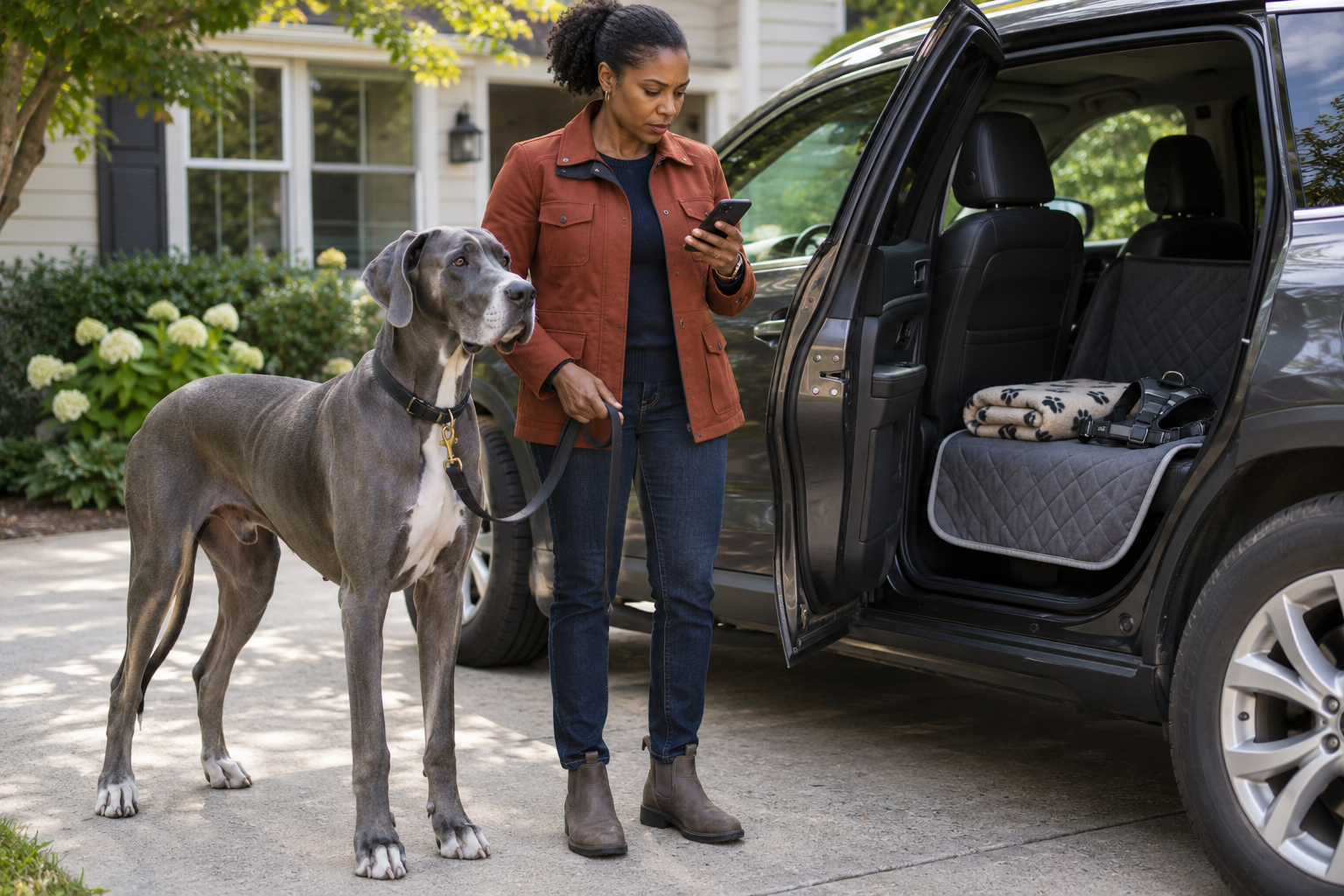
Keep an emergency clinic's contact details and route somewhere easy to find. Know how you will transport your dog. If your dog is at higher risk, use a routine appointment to discuss that risk and whether gastropexy is appropriate.
Feeding and activity advice needs the same care as surgical advice. The sources reviewed here do not establish a universal feeding schedule, post-meal exercise interval, bowl or ingredient rule that prevents GDV in every dog. Ask your veterinarian about a sensible routine for your dog rather than relying on a viral tip as a guarantee.
After GDV surgery, keep the discharge instructions and emergency contacts with your dog's medical records. Ask the treating team which recovery changes are expected and which require a call. There is no single recovery schedule this article can give because operations and complications vary. The same caution applies after preventive gastropexy. A dog who seems unwell needs assessment, not reassurance based on the idea that the stomach has been fixed in place.
If your dog is showing possible emergency signs now, seek immediate veterinary assessment. You do not have to prove that it is GDV, and you should not wait for a visibly swollen belly before making that call.
Sources and further reading
- American College of Veterinary Surgeons, Gastric Dilatation-Volvulus
- American College of Veterinary Surgeons, Prophylactic Gastropexy
- Cornell University College of Veterinary Medicine, Gastric dilatation-volvulus or bloat
- Merck Veterinary Manual, Gastric Dilation and Volvulus in Small Animals
- PDSA, GDV in dogs