Holiday gatherings are safer when you plan for arrivals, a quiet retreat, supervised child contact, and food or trash that stays out of reach.
Thanksgiving brings a lot of bustle long before dinner hits the table. Front doors open and close, kids arrive, bags hit the floor, and people navigate the kitchen with hot platters. For your dog, all that activity means a lot of change in a short time.
A solid holiday plan starts well before your first visitor shows up. Decide early who will handle door greetings, where your dog can rest undisturbed, and which adult will keep eyes on interactions between children and the dog. A good gathering doesn't require your dog to greet every person who comes inside. Some dogs are happiest hanging out for a few minutes and then retiring. Others do much better spending the busiest hours relaxing in a quiet, familiar room.
Cover the door before it becomes a problem
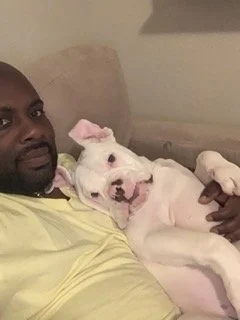
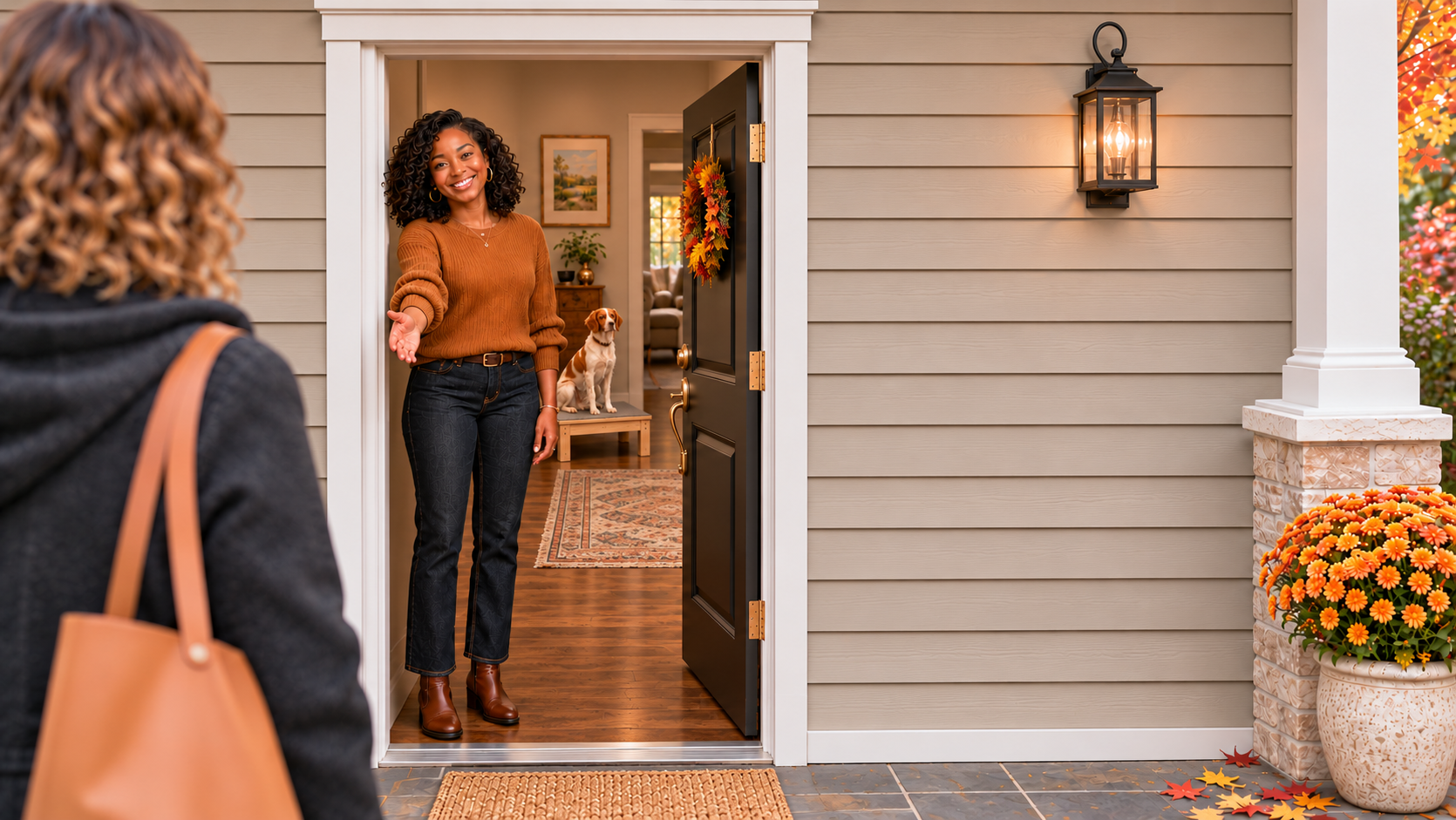
Arrivals and departures offer frequent chances for a dog to slip out an open door. Assign one specific person to answer the door, and secure your dog behind a barrier or inside a designated room before welcoming guests.
A well-practiced cue is helpful, but it can't replace a physical barrier. Only use a gate if it's genuinely secure for your specific dog. If your dog is comfortable wearing a leash, a capable adult can use one to guide them, but do not use a leash to hold a dog in the middle of a crowded greeting.
If the doorbell triggers your dog, ask guests to send a text when they arrive instead. Dogs Trust suggests using gradual, reward-based training to prepare dogs for door sounds long before guests arrive. Thanksgiving morning isn't the time to test whether your dog can handle repeated chimes, unfamiliar guests, and a scrambled schedule all at once.
Keep this same routine in place when guests get ready to leave. A dog who stayed calm through dinner can easily get wound up again when coats, bags, and car doors start moving.
Give your dog a real opt-out
Set up a quiet room, open resting space, or other familiar retreat before your house fills with people. Make sure it includes fresh water, a cozy place to rest, and a strict rule for guests: leave the dog alone while they're in that space.
This spot isn't a punishment. It's a refuge where your dog can step away from front-door commotion, kitchen foot traffic, and the pressure to socialize. Don't introduce a new crate or closed-room setup for the first time during a party and expect your dog to feel safe. If your dog doesn't settle comfortably in that arrangement under normal daily conditions, consult your veterinarian or a qualified behavior professional before the holiday rather than attempting an unfamiliar routine during your gathering.
Let your dog decide whether to come out and mingle. A dog who turns away, walks off, grows tense, freezes, pants when they haven't been exercising, or avoids contact may be uncomfortable. Treat these observations as clues to pause and create space, not as a diagnostic label. A single yawn or lip lick doesn't reveal everything about how a dog feels, and dogs don't all follow a universal sequence of warning signs.
If you notice stiff body language, a hard stare, growling, snapping, or other concerning behavior, end the interaction and give everyone distance. Do not scold a growl, and don't let a visitor keep trying to make friends. Sudden, persistent, or severe behavior changes warrant a conversation with your veterinarian.
Put one adult in charge of child contact
Children and dogs can share a home or holiday event safely when adults actively manage their interactions. Assuming "someone is keeping an eye out" isn't the same as giving one adult explicit responsibility.
The supervising adult needs to stay close enough to step in quickly, especially around food, toys, sleeping spots, and energetic play. Cornell's dog-bite-prevention guidance recommends keeping children from disturbing a dog who is eating or sleeping, chasing a dog, or reaching for a dog's toys and treats.
Thanksgiving makes active management trickier because adults are often busy cooking, carrying food, serving guests, or cleaning up. Whenever the assigned adult needs to shift attention elsewhere, separate the dog and children instead of assuming another guest has taken over. Familiarity and a history of friendly behavior don't eliminate the need for active adult supervision.
Keep the dinner table and cleanup out of reach
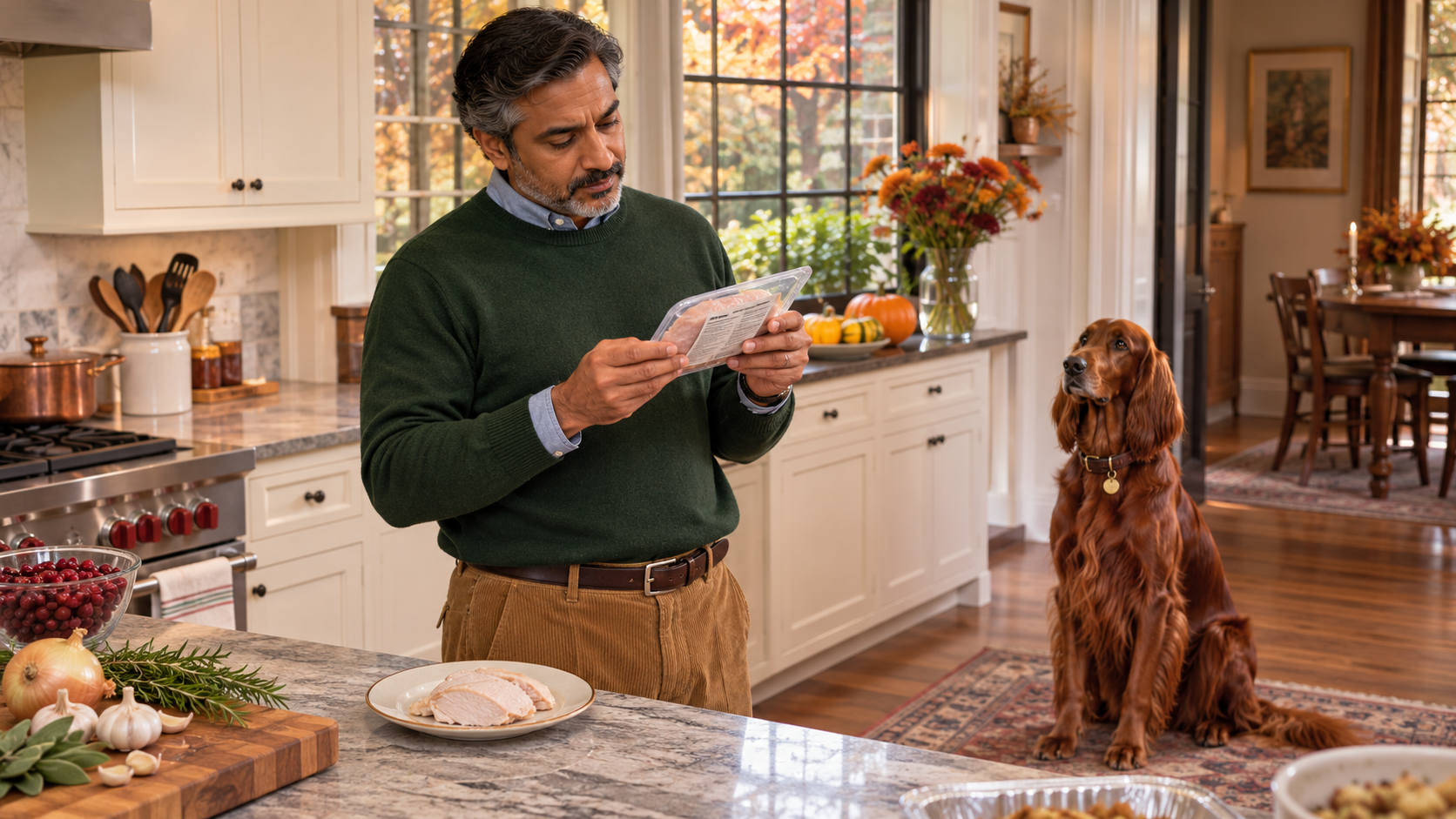
Holiday food presents several distinct hazards. Rich items like turkey skin and gravy can cause digestive upset and can contribute to pancreatitis in some dogs. Bones can splinter or present choking and obstruction risks. Onion and garlic dishes, chocolate desserts, grapes or raisins, alcohol, raw yeast dough, and foods containing xylitol need to stay away from dogs.
This doesn't mean every dropped piece of food is an emergency. It does mean the safest practical approach is keeping plates, leftovers, the turkey carcass, food wrappers, and trash inaccessible, while asking guests not to feed scraps. A closed door or truly dog-proof container is more reliable than expecting a hungry dog to ignore a full trash bag.
Don't forget about items that arrive with your guests. Purses, coats, and overnight bags can contain medications, gum, candy, and other items a dog shouldn't ingest.
If you suspect your dog ate a toxic ingredient, contact your veterinarian or an animal poison service promptly. The ASPCA Animal Poison Control Center can be reached in the United States at 888-426-4435; a consultation fee may apply. Do not wait for symptoms to appear or attempt home remedies recommended on social media.
A calm plan makes room for everyone
Before your guests arrive, run through a quick four-point safety check: make sure the entrance is covered, your dog's retreat is ready, a supervising adult is assigned, and all food and trash are secured. From there, adjust as your day unfolds.
Your dog doesn't need to play holiday host. Giving your pet the freedom to rest, move away, or skip the party entirely can make the day easier for the people around your table too.
Sources and further reading
- American Animal Hospital Association, “Thanksgiving Pet Safety Tips: Food, Guests, Decorations, and Stress”
- Dogs Trust, “How to prepare your dog for visitors”
- Dogs Trust, “Creating a safe space for your dog”
- Cornell Riney Canine Health Center, “Dog Bite Prevention”
- ASPCA Poison Control, “Thanksgiving Safety Tips”
- ASPCA Poison Control, “People Foods to Avoid Feeding Your Pets”
More stories
 Daily Doggy NewsCan Dogs Eat Turkey? What Owners Should Know
 Canine JournalHumane Crate Training for Dogs: A Practical Guide
 Daily Doggy NewsCan Dogs Eat Mushrooms? Risks and Safer Choices
 Canine JournalDog Diarrhea: When to Call Your Vet
 Tyson’s LifeTeach Your Dog to Wipe After Meals
 It MattersWill the New Congress Save Animal Shelters?