Ham is not a good dog treat. Salt, fat, glazes and bones can create risks that depend on the product and the dog.


Choose something other than ham for your dog's treat plate. Ham is often salty, fatty and prepared with seasonings or glazes that need a closer look. If your dog has already snatched a small bite, though, it is not automatically a poisoning emergency. What happens next depends on the product, the recipe, the amount eaten and your dog's health.
Why ham is a poor treat choice
Ham is commonly cured or otherwise processed. Holiday versions may be smoked, honeyed, peppered, glazed or served with a sauce, which can add salt, fat or other ingredients to an already optional extra. Rich or fatty foods can upset a dog's digestion and may contribute to pancreatitis risk in susceptible dogs. The FDA's holiday guidance is a useful reminder to keep rich table food out of a dog's meal plan.
That risk does not mean every bite will cause illness. It does mean there is little reason to choose ham when a familiar treat already fits your dog's diet. Dogs with prescribed diets, previous digestive trouble or conditions affected by dietary fat should stay with their usual plan unless their veterinary team advises otherwise.
Salt deserves similar care. High-salt foods can contribute to excessive sodium exposure, but a headline cannot tell you whether a particular bite amounts to poisoning. The product, quantity, dog's size and current signs all matter. If the ham was heavily salted, your dog ate a large amount or they seem unwell, call a veterinarian or poison-control service. Do not give a home remedy or force water to try to correct the exposure.
Read the recipe as well as the label
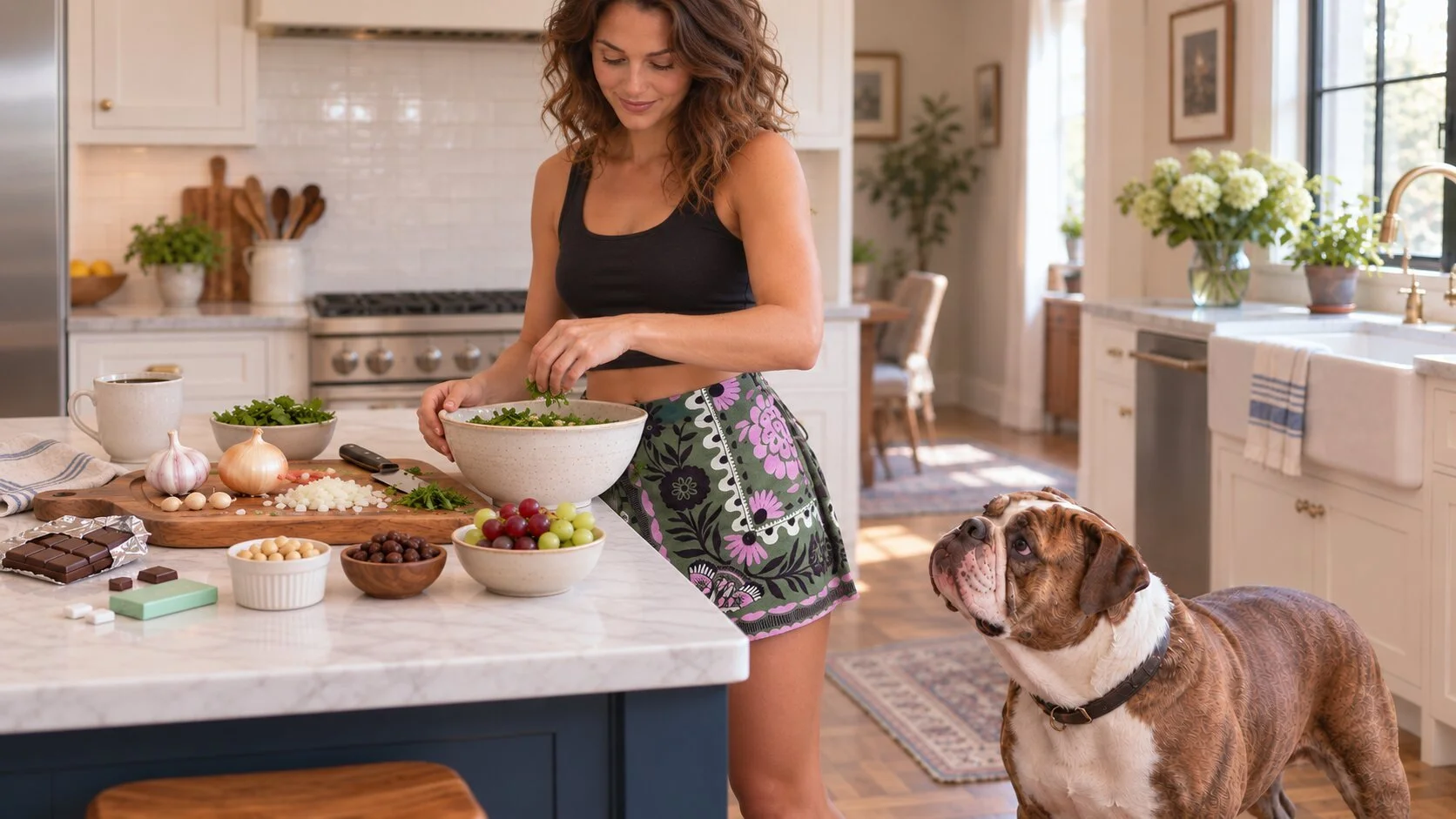
A slice of ham, a glazed roast and a ham casserole may have very different ingredients. Check everything your dog could have eaten, including the sauce and side dishes. Onion and garlic can harm dogs. A sugar-free glaze may contain xylitol, and foods containing grapes, raisins, alcohol or chocolate raise other concerns. The ASPCA's food guidance explains these hazards.
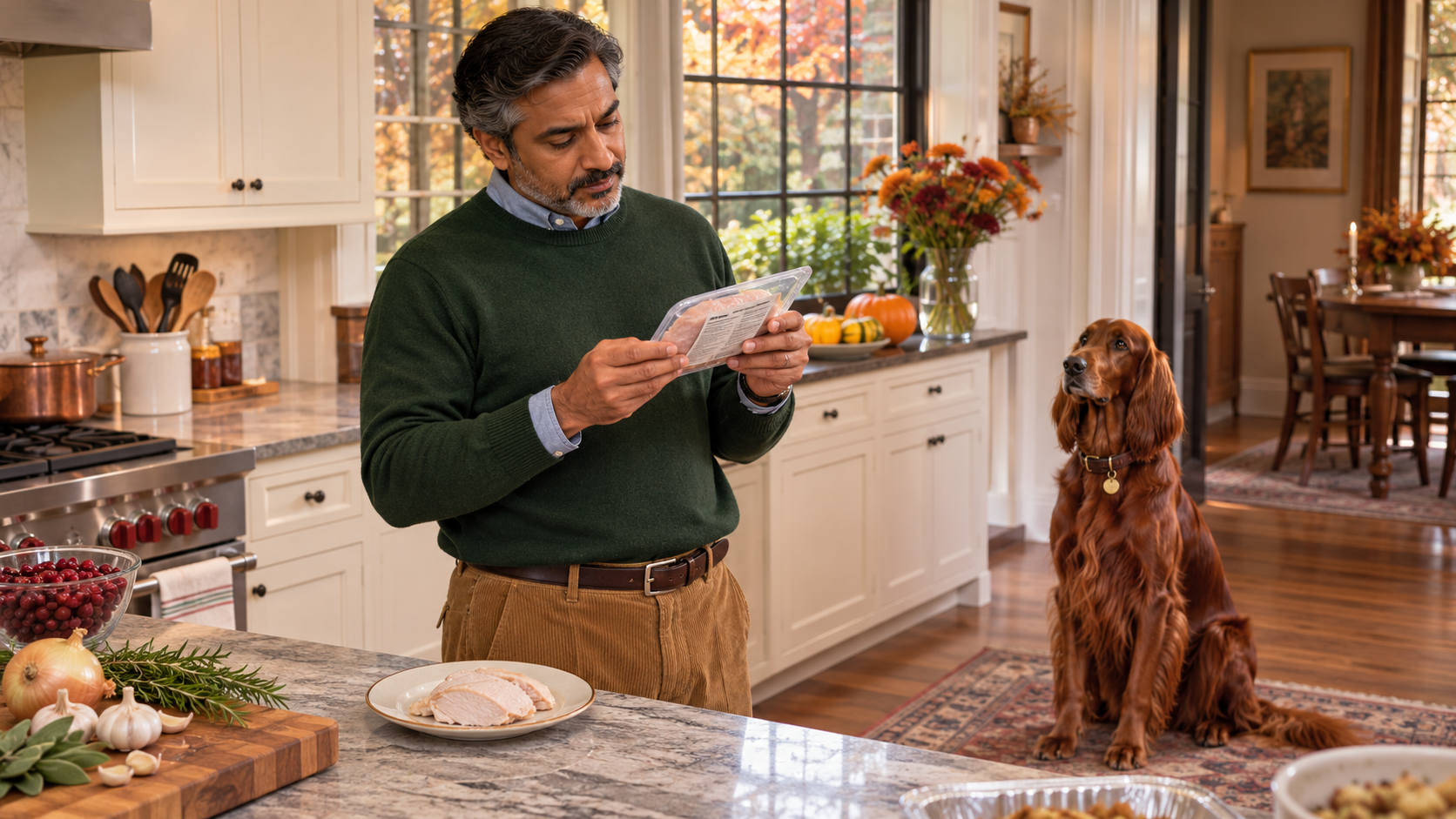
Trimming visible fat or wiping away glaze does not undo curing or reliably remove salt, drippings and seasoning already in the food. A cleaned-up piece may still be unsuitable. Keep the package or recipe rather than trying to remember every ingredient later, particularly if someone else prepared the dish.
If your dog stole a small bite
First, work out what was eaten. If it was a small amount of ordinary ham and your dog seems well, check the label, estimate the amount and consider their size and medical history. Include any other food they ate, rather than looking at the ham in isolation. A healthy dog who took a tiny bite may only need observation. A larger exposure or a dog with a medical condition or past digestive problems may need earlier veterinary guidance.
There is no universal safe serving size for ham. A chart based on teaspoons, slices or breed size would leave out too much about both the dog and the food. Cured, smoked, country-style and glazed ham can differ, and ham mixed into a sandwich or casserole adds another set of ingredients to consider.
If you cannot establish the amount or ingredients, call for advice. Do not assume an exposure is harmless simply because your dog has eaten ham before. Describe what happened and let the veterinary professional assess the details of this particular meal.
Never offer ham bones
Ham bones are a separate hazard, whether cooked or raw. They can splinter, lodge in the throat or cause digestive injury and blockage. Do not give one as a chew or leave it where your dog can take it after the meat has been carved.
If a bone may have been swallowed, contact a veterinarian or poison service promptly. Do not try to make your dog vomit or give a household remedy unless a veterinary professional directs you. Tell them whether a bone was accessible, even if you did not see your dog swallow it. Waiting to see symptoms is not a substitute for advice about a possible bone ingestion.
Get help for concerning ingredients or signs
Call promptly if the food contained onion, garlic, xylitol, alcohol, chocolate, grapes or raisins, or if you are unsure about the amount and ingredients. Have the recipe or packaging ready, along with the time eaten, estimated quantity, your dog's weight and any signs you have noticed.
Repeated vomiting, abdominal pain, marked weakness or tremors warrant urgent veterinary assessment. Trouble breathing, collapse or severe distress also need urgent care. These signs can have different causes, but they should not be managed by waiting after a questionable exposure.
For advice about specific ingredients, contact your veterinarian, ASPCA Poison Control at 888-426-4435 or Pet Poison Helpline at 855-764-7661. Fees may apply. Do not induce vomiting unless a professional instructs you to do so. Give them the full picture, including a bone, casserole or trash scraps your dog could have reached along with the ham.
Include your dog without sharing the ham
Give your dog a familiar treat or a small portion of their regular meal while everyone else eats. If you want to offer meat, choose an appropriately prepared dog treat or ask the veterinary team about a plain option that suits your dog. Make that decision before guests start sharing food from their plates.
Clear plates before people leave the table, and keep carving scraps, bones and wrappers in a closed bin. A dog raiding the trash may swallow several hazards at once. If that happens, list everything they could have reached when you call for help.
Sticking with a food your dog already tolerates keeps the holiday simpler, especially when several rich dishes are being served. Your dog can be part of the gathering without eating the ham.
Sources
About the author
Stephen Gill
Stephen Gill is the founder of Inspired by Tyson and writes Daily Doggy News from real life with Tyson. His work covers dog ownership, behavior, safety, canine health, working dogs and the relationship between dogs and their people.
Read Stephen Gill’s full author profileRead More
Scroll or use the arrows to explore more stories.