Before Thanksgiving travel, give your dog sitter the contacts, clinic details and clear authority they need to act quickly if something goes wrong.
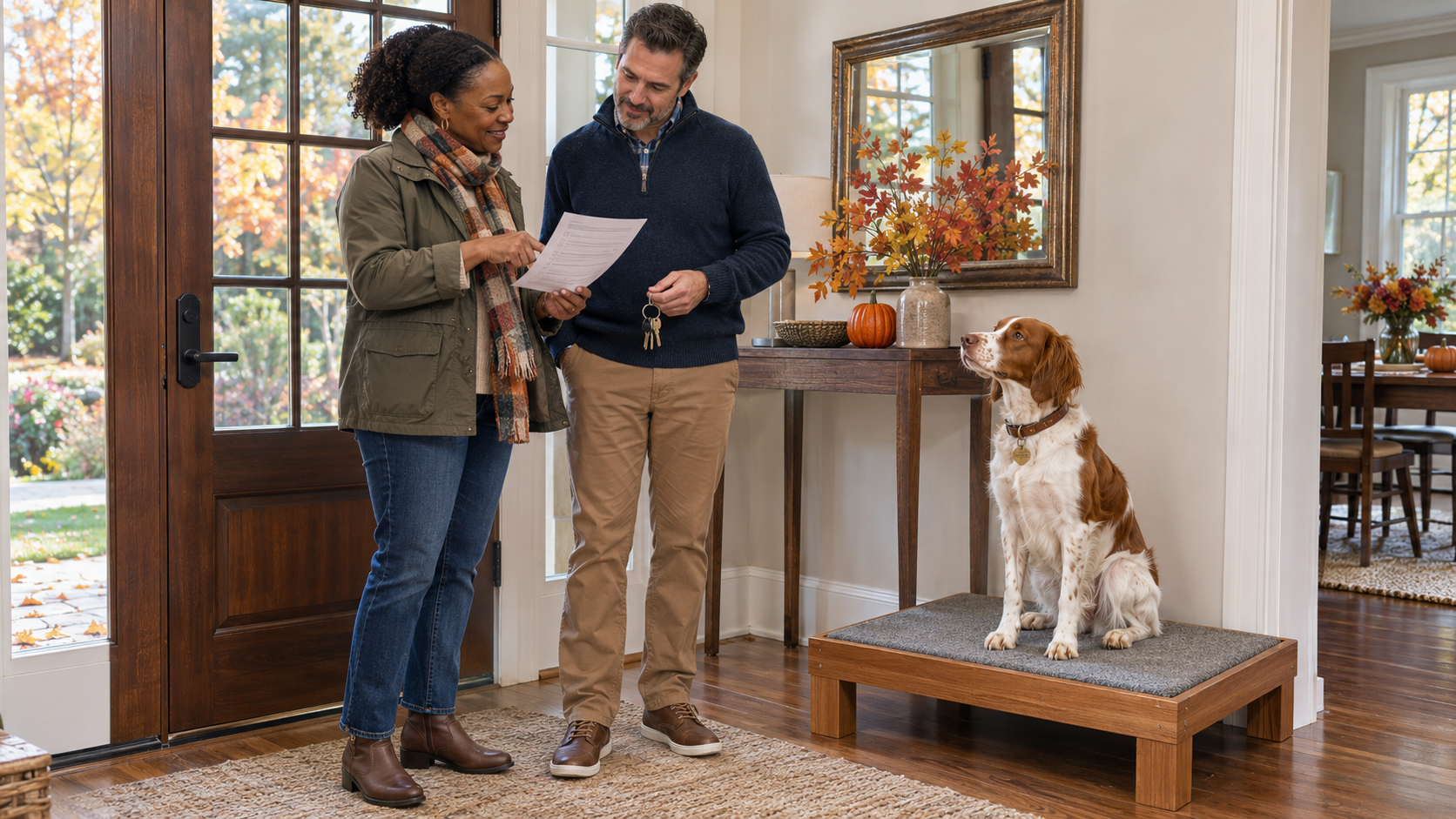
Your sitter knows where the food is, when your dog goes out and which key opens the door. The harder question is what they’ll do if your dog gets sick and you don’t pick up. Before you leave for Thanksgiving, give them three things they can use right away: the number to call, the place to go and a clear understanding of what they can authorize.
Start with a conversation
Ask your sitter if they’re comfortable taking your dog to a veterinarian on short notice. Find out whether they have a way to get there. If they don’t, choose a backup who can drive and make sure that person agrees. You want the sitter to know they can make the call, not spend the first few minutes figuring out whether an urgent visit is part of the job.
The American Veterinary Medical Association recommends deciding who will be in charge of your animal’s care while you’re away. Write down what the sitter may handle and where that authority ends. If someone else is your backup decision-maker, say who has the final call and make sure both people know how to reach each other.
Call your regular clinic and the emergency clinic before the trip. Ask each what permission it needs to speak with your sitter and authorize treatment in your absence. Use a clinic’s preferred form or process if it has one. A signed note may be useful, but there’s no single form every clinic is guaranteed to accept. This is a planning step, not legal advice or a guarantee of treatment.
Put the important numbers in one place
Give the sitter your cell number, where you’ll be traveling and a second way to reach you. Add a backup contact who has agreed to answer. List your regular veterinarian and the emergency clinic, with a phone number and street address for each. Call to confirm holiday hours. A weekday listing won’t tell the sitter whether the clinic will be open on Thanksgiving.
Write down your dog’s name, age, identifying details and relevant health information. Add a recent photo and check that the microchip registration has current contact information, as the American Animal Hospital Association recommends. If your dog gets loose, the photo helps someone recognize them and the registration gives someone who scans the chip a way to reach you.
Leave the sheet somewhere easy to find and text or email the sitter a copy. Show them where the veterinary records are. If your veterinarian has given you specific instructions for a known condition, pass along those instructions as written. This is one place where it’s better to copy the original than try to remember exactly what the vet said.
Show the sitter how the day usually goes
Write down what your dog eats, how much and when, along with the usual walks and bathroom breaks. Label prescribed medicines and leave the veterinarian’s directions with them. The sitter shouldn’t have to guess a dose or change the timing or amount on their own.
Walk through the house together. Point out where the dog can rest when guests are around and what food needs to stay out of reach. Show the sitter any gate or door that needs special attention and where you keep the leash, carrier or vehicle restraint, waste bags and cleaning supplies. Those details are easier to remember when someone has seen them, and the walk-through gives you time to find anything that’s missing.
Make it clear who gets the first call
If your dog is injured, seriously ill or has swallowed something concerning, the sitter should call a veterinarian or emergency clinic promptly. They can try you at the same time, but they shouldn’t wait for you to answer before getting professional guidance. Let the clinic decide what the dog needs next.
For a possible poisoning, the ASPCA advises contacting a veterinarian or ASPCA Poison Control at 888-426-4435. Unless a veterinary professional directs it, the sitter should not try to make the dog vomit, give a home remedy or change medication. A label or photo can help the clinician identify what the dog may have reached, but looking for it shouldn’t delay the call.
Once the sitter has called, ask them to text you what they saw, when they noticed it, what the dog might have gotten into, whom they called and where they’re headed. They don’t need to name the problem. A few plain details are more useful than a guess about what caused it.
Settle the payment question in advance
Ask both clinics how they accept payment and treatment authorization when an owner is away. Set up payment through whatever secure process each clinic accepts. Don’t leave card details in an unsecured note or count on the sitter to cover an unknown bill. If you set a spending limit, agree on what happens if the veterinarian recommends care beyond it. Make sure your backup knows the same limits and how to reach the clinic. The person allowed to make a decision and the person paying for it aren’t necessarily the same.
Talk through the less urgent calls, too
A sitter might notice a missed meal or a change in behavior and wonder whether to tell you now or wait. Explain what’s normal for your dog and when you’d like an update. Ask them to seek veterinary guidance promptly if they’re worried about the dog’s health rather than trying to diagnose the problem from a checklist. If you’ll be out of reach for a while, let the backup know when they’re most likely to be needed.
Check the plan before you leave
Have the sitter tell you which emergency clinic they’ll call and whom they’ll contact if you don’t answer. Check that the keys work, the medicine labels are clear and your dog’s identification is up to date. If anything changes while you’re gone, send the sitter the new instructions and ask them to confirm they got them.
You can’t plan for every problem. You can make sure your sitter isn’t hunting for a phone number or waiting for permission to ask for help while your dog needs it.
Sources and further reading
More stories
 Daily Doggy NewsThanksgiving Visitors and Dogs: A Practical Safety Plan
 Daily Doggy NewsFoods Dogs Can't Eat: A Quick Safety Guide
 Latest Daily Doggy NewsHydrogel Products and Dogs
 Canine JournalKennel Cough: What Dog Owners Should Know
 Tyson’s LifeThe Boss Has Four Legs
 It MattersVeterans Need Clearer Service Dog Support