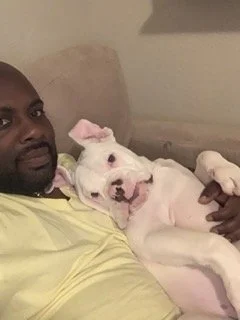
Tyson’s everyday routines have changed how Stephen plans work mornings, long days away and the small rituals that make coming home feel complete.
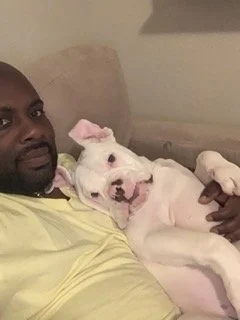
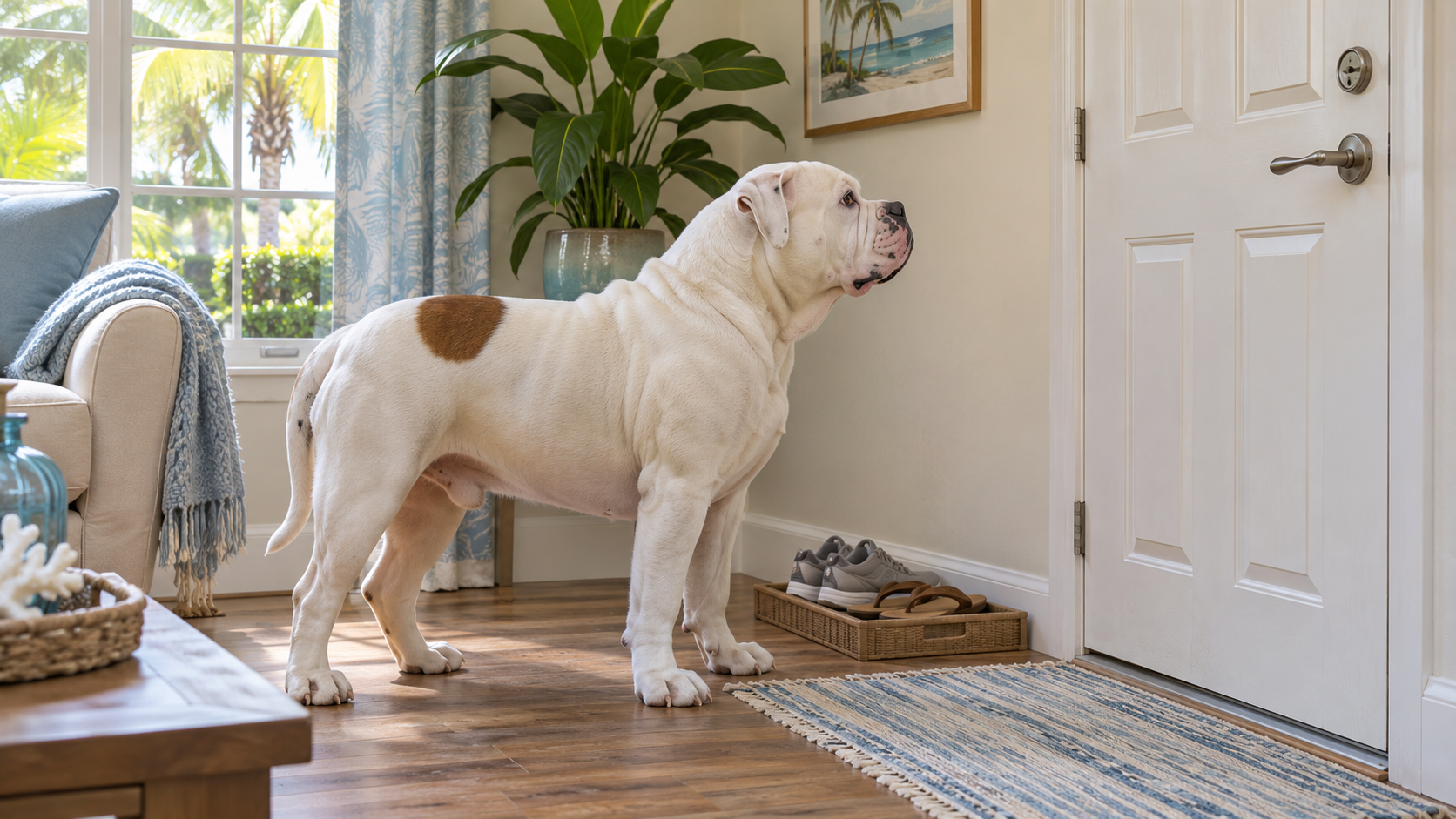
Tyson doesn’t know what time I have to leave for work. He does know where to stand if he needs to go out before I leave. He faces the door, I see him, and for a minute my schedule can wait. That’s the kind of thing I mean when I call him the boss. It’s a joke that makes a little more sense if you know how our days go.
I’m no expert trainer. What I know is how things work between me and Tyson, and how much of that took both of us getting used to each other. The American Veterinary Society of Animal Behavior cautions against looking at everyday behavior problems as a struggle for dominance. I don’t see a dog trying to outrank me in any of these six habits. I see a dog who’s figured out a few things that work, and a man who’s learned to pay attention.
The morning starts at the door
On work mornings, when Tyson needs to go out before I leave, he faces the door. I’ve gotten used to looking for that. It’s such a plain signal that it would be easy to overlook if I were thinking only about getting myself out the door. But once I see him there, I know what he’s asking for.
It’s funny to say he’s holding up my departure. It’s also on me to make room for the dog I live with. If I read that request as a challenge, I’d be making a simple morning harder for both of us.
Sometimes he goes to his house
Tyson has a space I call his house. When he doesn’t feel like going outside, sometimes that’s where he goes. I’ve used food to coax him out. I can laugh about how quickly my plan for a walk turned into a negotiation; I wouldn’t tell somebody else to use food to draw their dog out of a place where the dog feels safe.
I also wouldn’t turn his house into the place where every disagreement gets settled. If a routine gets harder, I’d look at what happens just before it and whether there’s an alternative I can reward. If a dog suddenly seems reluctant to go out, or the change is concerning, it’s worth asking a veterinarian. Calling the dog stubborn doesn’t tell you why something changed.
The door is where he meets me, too
On a day I’m not working, if I’m away longer than usual, Tyson waits near the door and usually greets me when I get back. I call it his door watch sometimes. I know what the greeting means to me. I couldn’t tell you exactly what’s going through his head while he waits.
The same door means something different depending on when I see him there. Before work, he may need me to take him out. When I’ve been gone and come back to that greeting, it’s a part of coming home that I’ve gotten used to. I can tell you that much without pretending to know what Tyson’s thinking.
I’ve learned his bathroom rhythm
Several hours after he eats, Tyson often heads toward the door when he needs the bathroom. I’ve learned to notice that rhythm and plan around it. I wouldn’t hand someone my routine and tell them to set a clock by it. The timing in my house is useful because it fits the dog in my house.
Knowing his usual pattern also gives me something to compare against. If his timing changed in a way that concerned me, or he was having trouble going, I’d take that seriously and ask a veterinarian. I’d rather notice a change than explain it away.
Getting out for a long day starts at home
If I expect to be out for a longer stretch, I feed, walk and play with Tyson before I leave. All of that takes time. If I only think about when I need to be somewhere, I’m forgetting a good part of what it takes to get out the door in the first place.
That’s how I prepare in our house. It says nothing about how long another dog should be left alone. Meals, exercise, rest and bathroom needs differ. The lesson I’d keep for myself is simple: Tyson’s needs belong in my plans from the start, while I still have time for them.
Then there’s the treat when I get back
When I come home and there’s been no mess, I give Tyson a treat. If you want to say he trained me on that one, I can see why. I’m the one who made a habit of giving it to him.
I can’t take a treat given at the door and claim it teaches him what he did hours before. It’s part of how we come back together. If I were working on a particular behavior, I’d want to reward the behavior I’m asking for and pay attention to when the reward happens. A qualified, reward-based professional can help an owner work out what makes sense for their dog. A story about the two of us isn’t a training plan.
Where I leave the joke alone
If a dog guards something, growls, lunges, snaps or bites, leave him space. Don’t see how far you can push him, force an item away or punish a warning. A veterinarian or qualified veterinary behavior professional can give advice for that particular dog. I’m saying this separately from the stories about Tyson; I’m not describing his behavior here.
Tyson has changed how I get ready for work, how I plan to be gone and what coming home feels like. I’ve changed parts of his day, too. There’s a lot of affection in those ordinary habits, even on the mornings when my timing and his don’t line up. When I think about what it means to know a dog well, this is what comes to mind. It’s knowing which small thing is worth stopping for and being willing to change your plans when it matters. I’ll still call him the boss. I’ll also look up when he goes to the door.
Sources and further reading
More stories
 Tyson’s LifeHow I Prepare Tyson for Vet Visits
 Tyson’s LifeIf You Cannot Come Home to Your Dog
 Canine JournalKennel Cough: What Dog Owners Should Know
 Daily Doggy NewsThanksgiving Visitors and Dogs: A Practical Safety Plan
 Daily Doggy NewsWhen an Older Dog Suddenly Loses Balance
 Latest Daily Doggy NewsBloat Signs That Need Emergency Care