Can Kindness Help a Fearful Dog Trust You?
Daily Doggy News · Training & Behavior
Repeated positive experiences may help a worried dog become more willing to approach. Repeated pressure can push him the other way.
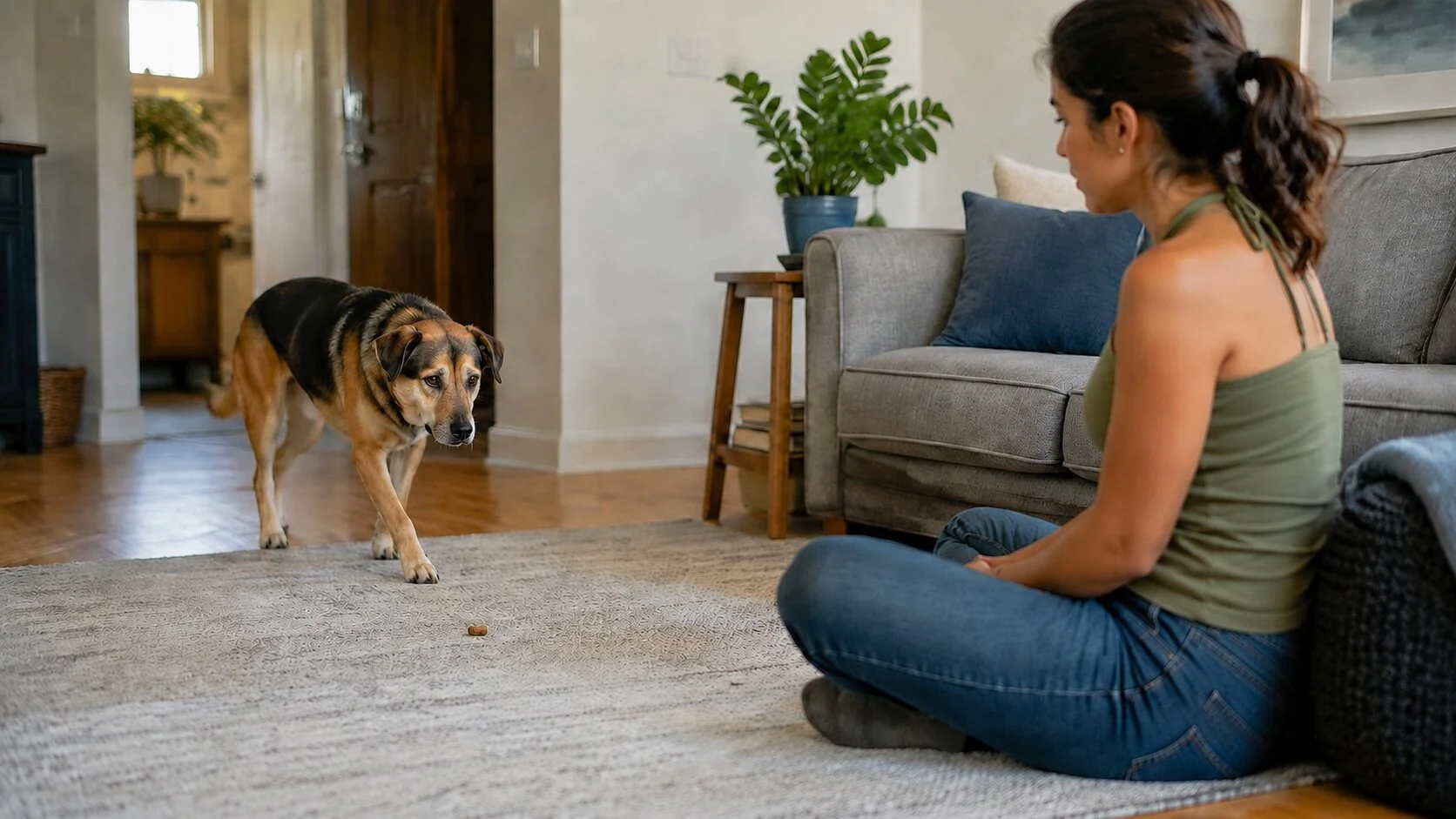
A frightened dog does not need another person proving they can get close.
He needs enough space to make a choice.
If you are wondering how to get a scared dog to trust you, it helps to stop looking for one magical introduction. Real confidence grows from patterns: whether the dog gets space, whether people act predictably, and whether approaching someone leads to a safe outcome.
A July 2026 preprint involving free-ranging dogs in India offers a useful glimpse into how those patterns can shape behavior. Across several days, dogs exposed to positive human interactions became more willing to step forward. Dogs exposed to threatening interactions became more distant and hesitant.
The researchers measured approach behavior, not a dog’s private emotional experience. Still, the practical lesson is hard to miss: trust is not built in one grand gesture. It is built in small, consistent moments.
What the Research Shows Us
The study followed 58 groups of free-ranging dogs over five consecutive days. Each group experienced either a positive human interaction that included food or a threatening interaction in which a person displayed a stick. Researchers recorded whether dogs approached, how long they took, and the social demeanor they showed.
Then the researchers introduced an unfamiliar person. The positive experience appeared to generalize only partly: dogs from the positive condition approached the stranger more often, but they still hesitated. The threatening experience did not transfer in exactly the same pattern, although those dogs remained more cautious about approaching.
That distinction matters. The experiment did not include an untreated control group, and it does not show that a few pleasant meetings will make a fearful dog trust every new person. It suggests that repeated experience can change the odds of approach while a dog still notices who is familiar and who is not.
The findings do not prove that five kind interactions will erase fear. They do support a practical idea already central to humane behavior work: what repeatedly happens around a dog can change what that dog expects people to do next.
What Peer-Reviewed Research Adds
Earlier peer-reviewed studies do not replicate this exact experiment, but they help place it in context.
A 2017 study of free-ranging dogs found that repeated social contact affected how dogs engaged with people; during repeated interactions, the dogs spent more time near and interacting with a person offering petting than one offering food. Those dogs were not necessarily fearful, and the study measured contact and sociability rather than “trust.” Even so, it supports the importance of repeated experience instead of treating one meeting as decisive.
A 2019 shelter-dog study reported that structured human-interaction enrichment moderated fear-induced aggression and increased positive expectancy. That is closer to the real-world problem many adopters face: a worried dog learning that contact with people can become more predictable and less threatening.
A 2025 study in PLOS ONE offers a useful reality check. One brief positive human-dog interaction did not improve later learning or stress resilience, and dogs in that condition showed more stress during a later test. A pleasant session is not an emotional vaccine. Context, repetition, individual history, and the dog’s ability to choose still matter.
The science does not promise instant trust. It points toward something quieter: repeated safety can influence the next choice a dog makes.
How to Approach a Scared Dog Without Adding Pressure
When we see a nervous dog, our natural instinct is often to lean in, extend a hand, or speak directly to him. The intention may be friendly. To the dog, all that focused attention can feel like pressure.
Give Him Control Over Space
If a dog freezes, backs away, lowers his body, tucks his tail, growls, or looks for an escape route, stop advancing. Angle your body slightly sideways, soften your attention, and avoid a sustained stare. Do not corner him, pull him closer, or reach over his head.
Leave a clear path away. When leaving is allowed, approaching becomes a real decision instead of a forced surrender. If he comes closer, let him investigate without immediately reaching to touch him.
Be Almost Boringly Predictable
Fearful dogs benefit from knowing what happens next. Keep meals, walks, bathroom breaks, and quiet time reasonably consistent. Move calmly. Use the same cues for the same behaviors. Avoid sudden collar grabs or hands coming down over the dog unless immediate safety requires it.
A designated safe area can help too. It might be a quiet room, a comfortable bed, or an open crate the dog already enjoys. Everyone in the home should understand that the safe area is not a place to follow the dog and insist on contact.
Predictability does not mean your home must be silent. It means your dog is not constantly guessing what you might do to him.
Use Rewards Without the Bait
The American Veterinary Society of Animal Behavior recommends reward-based methods for training and behavior modification. With a fearful dog, however, food should not become bait that pulls him closer than he is ready to go.
Tossing a treat beside the dog—or slightly behind him—allows him to receive something good while preserving his option to move away. Work at a distance where he can notice the person and still eat, move, sniff, and think. If he refuses a favorite food, he may be too worried for that step.
VCA Animal Hospitals describes desensitization as controlled exposure that begins below the level that triggers fear. Counterconditioning pairs that low-level exposure with something the dog enjoys. Progress should be gradual. The dog sets the pace.
Read the Whole Dog
A wagging tail does not settle the question. Watch posture, movement, face, breathing, and whether the dog can disengage.
Signs of Growing Comfort
- Loose, curved body movement
- Soft eyes and a relaxed face
- Normal breathing and sniffing
- Voluntary approach
- Taking food without lunging or retreating
- Choosing to rest nearby and then disengage
Signs You Should Add Space
- Freezing or crouching
- Trembling or hiding
- Repeated lip licking or yawning
- Hard staring
- Growling or showing teeth
- Trying to flee or refusing food
Knowing When to Call a Professional
Sometimes patience and careful practice are not enough, and that is not a failure.
Call your veterinarian if fear appears suddenly, gets worse, or arrives with pain, appetite changes, sleep disruption, confusion, house-soiling, or another physical change. Medical problems can alter behavior, and treating pain or illness may be part of the solution.
Ask for qualified behavior help when a dog cannot settle, will not eat around ordinary triggers, repeatedly tries to escape, threatens to bite, or makes daily life unsafe. A board-certified veterinary behaviorist (DACVB) can assess serious cases and coordinate behavior modification with medication when appropriate. A skilled reward-based trainer or behavior consultant may also help, depending on the severity and safety risks.
Severe fear is a complex behavioral and sometimes medical problem. It is not a test of patience every family should handle alone.
Common Questions About Building Trust
How long does it take for a fearful dog to trust you?
There is no fixed timeline. It may take days, weeks, or months depending on the dog’s history, health, genetics, environment, and current stress. Track small changes—eating comfortably, resting nearby, recovering faster, or choosing to approach—instead of judging progress by a calendar.
Should you approach a scared dog or let the dog come to you?
Whenever safety allows, let the dog choose to close the distance. Stay far enough away that he remains able to move and think, turn your torso slightly, avoid staring, and never block his exit. If you must move closer for safety or veterinary care, use calm handling and professional guidance rather than forcing a social greeting.
What should you do if a scared dog will not take treats?
Increase distance from the trigger or end the session. Refusing a normally irresistible treat often means the dog is too anxious to eat and learn. It can also reflect nausea, dental pain, or illness, so contact your veterinarian if appetite loss continues outside the fearful situation.
How can you tell when a fearful dog is beginning to trust you?
Look for voluntary choices: the dog stays in the same room, takes food with a loose body, rests in your presence, approaches and then walks away, or recovers more quickly after a mild surprise. Trust can look quiet. A dog does not need to climb into your lap to show progress.
Can a scared dog learn to trust a new owner?
Many can. A consistent routine, protected space, reward-based learning, and respect for the dog’s signals can create a safer pattern. Some dogs will remain cautious with strangers or in certain settings, and the goal should be comfort and safety—not forcing every dog to become highly social.
Can you make a scared dog trust you quickly?
No reliable, humane shortcut exists. Trapping, holding, cornering, or forcing affection can deepen fear and increase bite risk. You can make the process clearer by lowering pressure and becoming predictable, but the dog still decides when he is ready to move closer.
Trust Grows Through What Happens Next
A dog does not need to love every person he meets. He does need people who notice when he is uncomfortable and respond fairly.
The new preprint cannot tell us exactly how long trust takes or guarantee that an experience with one person will transfer to another. It does show that repeated positive and threatening interactions led free-ranging dogs down different behavioral paths.
Your dog is learning from the pattern you create. Give him space, make good things predictable, and let him decide when he is ready to move closer.
That is not doing nothing.
That is how trust begins.
This article provides general educational information and is not a substitute for veterinary care or individualized behavioral advice.
Sources & Further Reading
- Operant Conditioning in Indian Free-Ranging Dogs (preprint, posted July 2, 2026)
- Associated research dataset
- Free-ranging dogs prefer petting over food in repeated interactions with unfamiliar humans (2017)
- Shelter-dog human-interaction enrichment study (2019)
- Brief positive human-dog interaction and later learning and stress (2025)
- AVSAB position statements on humane dog training
- VCA: Introduction to Desensitization and Counterconditioning
- ASPCA dog-bite prevention guidance

How Training Can Reshape Your Dog’s Brain
New research explores how training, genetics, and experience may shape the way dogs learn and respond.
Read the story →Dog Separation Anxiety & Place Training
See how gradual practice, enrichment, and a consistent place can support a calmer routine.
Read the story →
5 Ways Platforms Improve Dog Training
A defined platform can support focus, boundaries, confidence, and consistency.
Read the story →
Soothe Your Dog: Stop Anxiety Barking Now
Compassionate strategies can help address the fear and stress behind repeated barking.
Read the story →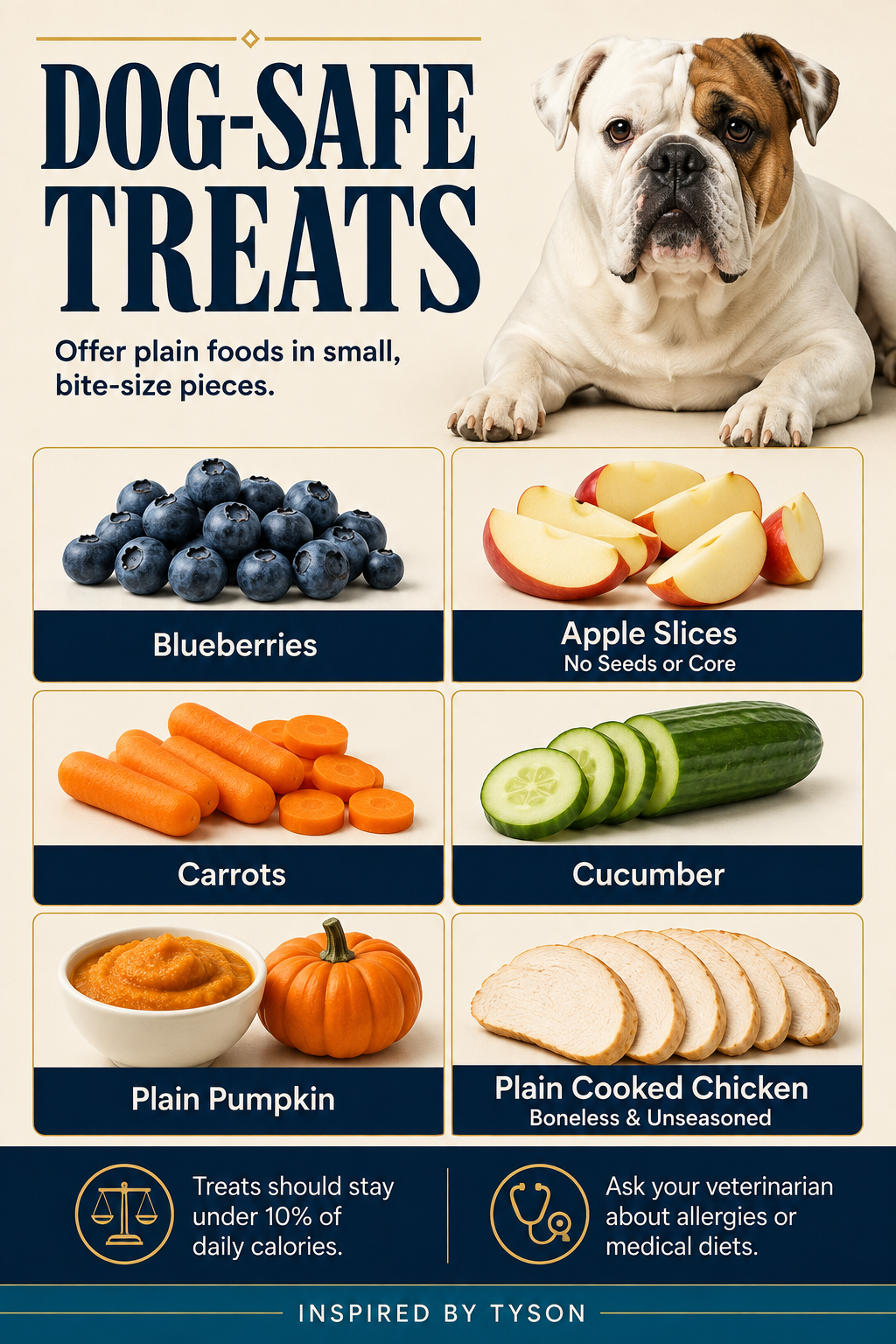
Foods Dogs Can’t Eat: A Quick Safety Guide
Spot common human-food hazards, know when to call a veterinarian, and choose safer treats.
Read the food guide →