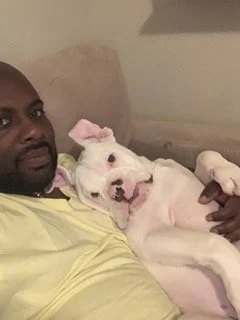
Dog Separation Anxiety & Place Training

Training & Behavior
Home Alone Again: How Place Training Can Help Your Dog Adjust to a New Routine
When school and work schedules change, your dog feels the difference too. A calm routine, gradual practice, and a clearly defined place can help make the transition easier.
When everyone's home during the summer, your dog gets used to the activity. Doors open and close. Kids move from room to room. Somebody's usually around for a walk, a snack, or a little attention. Then school starts, work schedules snap back to normal, and the house goes quiet almost overnight.
Your family understands why the routine changed. Your dog doesn't. All he knows is that the people he depends on are suddenly gone longer. Barking, pacing, chewing, scratching at the door, or accidents in the house can look like bad behavior, but in some dogs these are signs of stress or separation anxiety.
You can prepare your dog for the transition. Exercise, enrichment, short practice departures, and a consistent place to settle all help your dog understand what's expected of him. A training platform can become part of that routine, giving your dog a clear boundary and a familiar place to relax.
What Is Separation Anxiety?
Separation anxiety happens when a dog gets distressed after being separated from the person or people he's attached to. Some dogs start reacting while the family's still getting ready to leave — following closely, panting, whining, or getting restless the second they see shoes, keys, backpacks, or work clothes come out.
Other dogs seem fine right up until the door closes. Within minutes they might bark, howl, pace, chew around doors or windows, try to escape, or have an accident inside.
The difference that matters is whether the behavior's tied to being left alone. A dog that chews furniture while the family's home is probably bored or under-stimulated. A dog that panics only after everyone leaves is dealing with something closer to separation-related distress.
Why a New School or Work Schedule Can Trigger Stress
Dogs pick up on patterns fast. They notice what time everyone wakes up, when breakfast happens, whether picking up the keys means somebody's leaving. When those patterns change abruptly, some dogs struggle to catch up.
The ASPCA lists a sudden change in schedule as one event tied to separation anxiety. That doesn't mean every dog develops a clinical problem the day school starts back up — it means the transition deserves attention, especially if your dog hasn't had much practice being alone.
Start adjusting the routine before the first full day away, if you can. Shift meals, walks, bathroom breaks, and quiet time toward the schedule you're planning to keep long-term. A gradual transition gives your dog time to learn the new routine is safe and predictable, not a threat.
Signs Your Dog May Be Having Trouble
- Persistent barking, whining, or howling shortly after you leave
- Pacing in a repeated pattern or being unable to settle
- Chewing or scratching doors, windows, crates, or furniture
- Panting, drooling, trembling, or refusing food when alone
- Indoor accidents that happen mainly during your absence
- Trying to escape, sometimes injuring paws, nails, or teeth in the process
- Getting distressed the moment you pick up keys, shoes, backpacks, or lunch bags
A small indoor camera can show you what actually happens after you leave. Watch for when the behavior starts, how long it lasts, and whether your dog eventually settles. That's what separates a mild adjustment problem from something that needs professional help.
How to Prepare Your Dog for the New Routine
1. Begin With Short Practice Departures
Leave for one or two minutes and come back before your dog gets distressed. If that goes well, stretch the time out gradually.
You're not testing how long your dog can white-knuckle it through fear. You're building successful reps that teach him you always come back.
2. Exercise Before the Quiet Period
A walk, play session, or short training session burns off excess energy before you leave. Match the activity to your dog's age, breed, health, and the weather.
Here in South Florida, early morning exercise is usually a safer bet than anything strenuous during the hottest part of the day.
3. Keep Departures and Returns Calm
Long, emotional goodbyes turn leaving into a big event in your dog's mind. Prepare calmly, hand your dog something to do, and head out without extra drama.
When you get back, greet him normally once he's started to settle down — not the second you walk in.
4. Provide Safe Enrichment
A food puzzle, stuffed toy, safe chew, or scent-based activity can keep a mildly anxious dog occupied. Only leave items you already know your dog can handle unsupervised.
A dog in real panic may ignore food completely, which is one more reason to keep an eye on the behavior, not just assume it's fine.
5. Build Quiet Time While You're Still Home
Your dog shouldn't experience independence only when everyone vanishes at once. Practice calm downtime while you're reading, working, cooking, or watching TV.
Reward him for relaxing in his own space instead of shadowing you room to room.
Creating a Calm and Consistent Place
A place command teaches your dog to go to a defined spot and stay there until you release him. That spot might be a mat, a bed, or an elevated training platform.
An elevated platform gives you a visible, physical boundary, which makes the exercise easier for both the dog and whoever's handling him.
This isn't about isolating your dog or forcing him to sit still while he's scared. The platform starts as a positive, familiar spot while you're home, and over time it becomes a relaxation station — somewhere he gets rewards, works on a safe chew, and practices settling down.
For families, a consistent place makes everyday routines easier too. Your dog can use it while the kids get ready for school, while guests come in, during meals, or whenever the front door's getting a lot of traffic.
The same skill that gives your dog structure during busy moments is what helps him find calm during quiet ones.
What Tyson Taught Me About Structure
Tyson was using aggressive behavior to communicate his needs. I knew we needed clearer communication and a consistent way to establish order, so I turned to BiteLife for discipline training.
That lines up with what Eric Gonzales lays out in "Aggression in Dogs: Understanding and Controlling the Behavior" — behavior that seems sudden is usually the product of communication problems and warning cues that had been building for a while.
During that training, a MARK — a clearly defined place spot — was recommended to help maintain discipline and give Tyson a consistent timeout or reset location. The point was a visible boundary and a clear instruction during difficult moments, not punishment, and definitely not a cure for aggression on its own.
BiteLife trainer Eric Gonzales describes the MARK as an elevated training spot originally used to hold a dog in a precise position, later adapted into an open, den-like boundary without a crate door or tether. That background is worth knowing because it explains why an elevated platform functions as more than furniture — it gives the dog a specific place to go and wait for direction. You can read the full background in "Dogs Are Den Creatures."
Tyson's experience is why I see place training as a tool for communication, consistency, and structure. When aggression is part of the picture, the training plan needs to come from a qualified professional and be built around the individual dog.
How to Introduce a Training Platform
1. Let Your Dog Explore
Set the platform in a quiet area and let your dog check it out on his own terms. Reward any calm interest. Don't pull or push him onto it.
2. Reward Contact
Mark and reward when he places one paw, then two, then eventually all four on the platform.
3. Add the Cue
Once he's confidently stepping up on his own, attach a consistent cue like "place."
4. Build Duration Slowly
Reward a few seconds of calm behavior before asking for more. Release him before he gets frustrated and breaks position on his own.
5. Add Distance and Everyday Distractions
Step away, come back, reward. Gradually practice while moving around the room, picking up keys, or grabbing a backpack.
6. Connect the Platform With Relaxation
Calm praise, comfortable positioning, and the right enrichment turn the platform into a symbol of security and self-control — not a punishment spot.
Common Mistakes to Avoid
- Using the platform only right before you leave
- Increasing time or distance too fast
- Punishing barking, accidents, or destruction caused by fear
- Keeping a frightened dog on the platform against his will
- Assuming exercise alone fixes an emotional problem
- Leaving unsafe chews or toys with an unsupervised dog
- Expecting one training tool to replace veterinary or professional behavioral care
When to Ask for Professional Help
Call your veterinarian if your dog injures himself, tries to break through doors or windows, drools heavily, refuses food, can't tolerate even a very short departure, or gets more distressed with each practice session instead of less.
Medical issues can also cause house soiling, restlessness, vocalization, and behavior changes that look like anxiety but aren't.
A veterinarian can rule out medical causes and talk through whether medication or a referral makes sense. A veterinary behaviorist or qualified behavior professional can build an individualized desensitization and counterconditioning plan.
Severe separation anxiety isn't stubbornness, and punishment just makes the fear worse.
Frequently Asked Questions
Can a Place Platform Cure Separation Anxiety?
No. A platform helps build structure and support relaxation training, but it doesn't cure clinical separation anxiety. It works best as one piece of a bigger plan.
Should I Put the Platform Near the Front Door?
Not at first. Start in a quiet area where your dog can succeed. Once he's comfortable, you can move toward normal household activity.
What if My Dog Won't Take a Treat After I Leave?
Refusing a favorite treat can mean he's too stressed to eat. Shorten the exercise and talk to your veterinarian or a qualified behavior professional.
Is Place Training the Same as Stay?
Related, but not the same. Place gives the dog a specific physical destination and boundary. Stay just asks him to hold position wherever he already is.
How Long Should My Dog Stay on the Platform?
There's no universal number. Start with seconds and build from there. Whether your dog stays relaxed matters a lot more than hitting some arbitrary time.
Conclusion
A new school or work schedule changes the rhythm of the whole house, including your dog's day. Preparing early, practicing short departures, offering safe enrichment, and building a consistent place to settle all make that transition easier on him.
For Tyson and me, training's always been about more than just controlling behavior. It's about communication, trust, and helping our dogs understand where they fit in the family.
A handcrafted Inspired by Tyson platform gives that communication a clear starting point: a place for training, a place for rest, a place where calm behavior can grow.
Ready to Create a Place for Calm?
Explore Inspired by Tyson's handcrafted elevated dog training platforms, built to bring structure, function, and style into your home.
SHOP BESPOKE DOG PLATFORMSReferences
American Veterinary Medical Association. Pet Anxiety Insurance Claims Up Amid Increased Awareness.
American Society for the Prevention of Cruelty to Animals. Separation Anxiety.
Gonzales, Eric. Dogs Are Den Creatures. BiteLife Digest, Inspired by Tyson.
Gonzales, Eric. Aggression in Dogs: Understanding and Controlling the Behavior. BiteLife Digest, Inspired by Tyson.
VCA Animal Hospitals. Separation Anxiety in Dogs.
VCA Animal Hospitals. 7 Tips for a Seamless Back to School With Pets.
This article provides general educational information and is not a substitute for veterinary diagnosis or individualized behavioral treatment.