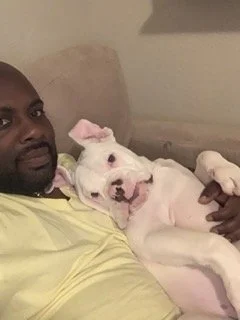
A first-person look at getting Tyson ready for veterinary visits while following the clinic’s instructions and handling guidance.
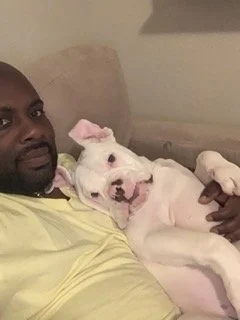
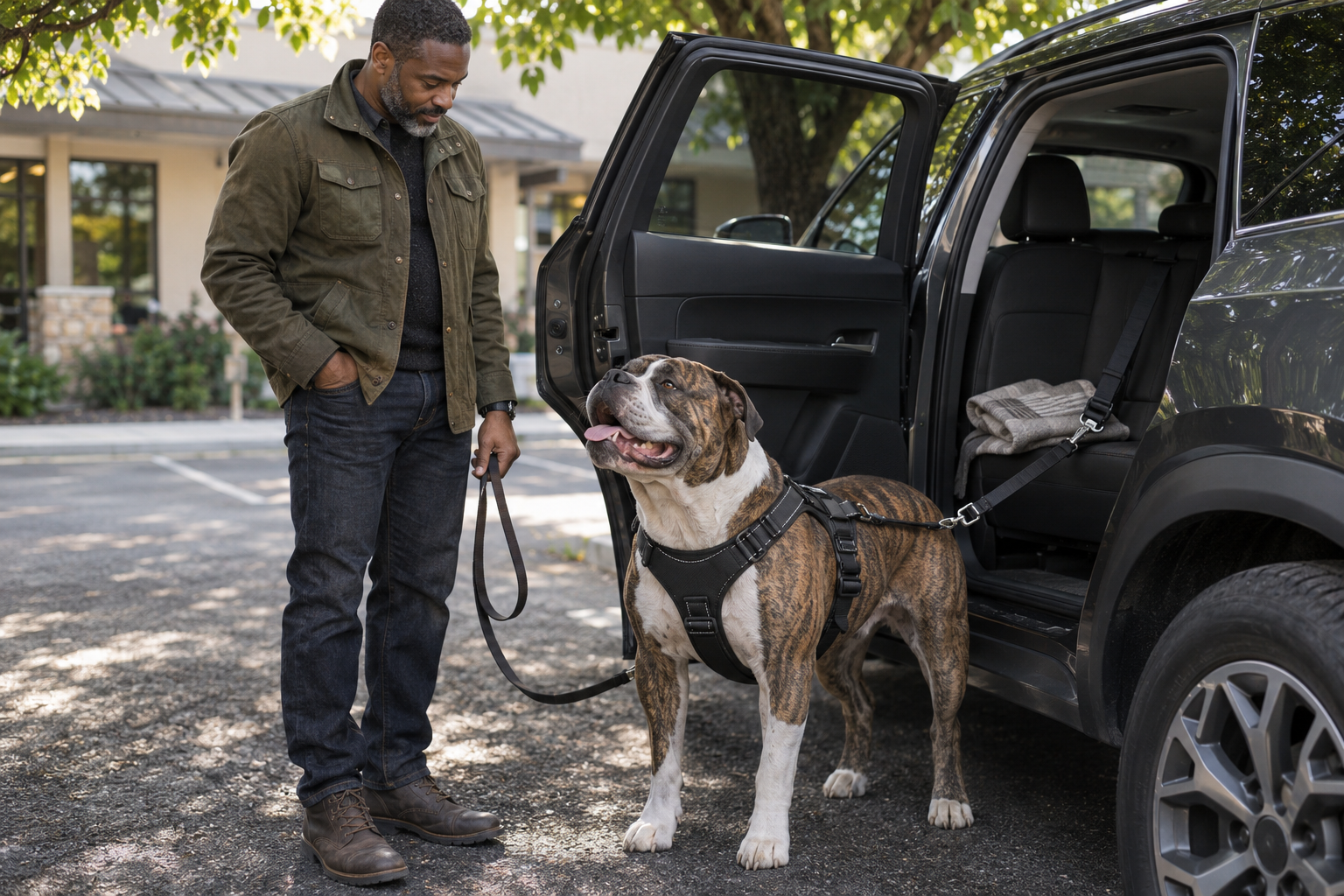
Tyson usually figures out we’re going to the vet before I open the car door. It’s the second walk that gives me away. On the morning of a routine appointment, I walk him first, feed him earlier if the clinic hasn’t told me otherwise, give him time to digest, and take him back out. I’m trying to get there with a dog who’s eaten, had some exercise and might be a little tired.
Now, “a little tired” is relative. Tyson is an approximately 80-pound Olde English Bulldogge. He can find another supply of energy when he needs it.
Two walks that close together aren’t part of our usual routine, and he knows it. The second time we go out, he pulls me right to the car as if he’s figured out the whole plan. Then it’s time to get in, and he stops. He lets me help him up, and once he’s inside, the barking starts.
I hear that as Tyson talking to me. He doesn’t like being separated from me in the car. If he had his way, he might sit right beside me without the leash, but I can’t safely drive like that. He needs to be secured, and I need to be able to pay attention to the road.
I put a blanket over the seat and bring a fresh bone for him. Sometimes the familiar setup helps; sometimes it doesn’t. It’s something I’ve done for Tyson, not a recommendation about what another dog should have in the car.
The clinic’s instructions come first
That’s my routine for Tyson. It doesn’t tell me what somebody else’s dog should do before an appointment, and it doesn’t replace instructions from his vet.
Before a visit, ask the clinic whether your dog should eat, whether to give or hold any medication, whether to bring records or samples, and how they want you to arrive. Food and medication instructions depend on the dog and the reason for the visit. If the clinic gives me different instructions, those come before my usual routine.
The same goes for the walks. They’re familiar to Tyson, but a dog who’s ill, struggling to breathe or affected by heat may need a different plan. Let the clinic guide that decision.
I also try to tell the team what they’re likely to see before anybody starts an exam. Tyson is friendly and excited, the car is hard for him, and he’s more likely to resist if someone touches a sensitive area. I’d rather give them that information up front than make them figure it out once they’re already working with him.
From the parking lot to the exam room
When we get there, I usually spend a few minutes walking Tyson around the parking lot. He gets to look around before we go inside, and it gives him a little time to settle. I keep him under control and pay attention to the weather. A short-muzzled dog and a hot parking lot are not a combination I want to take lightly.
Once we’re in the room, there’s the Tyson I know. He settles between my legs and takes everything in. He’s happy to meet people, especially women, but really, he’s usually glad to see just about anybody who comes over.
That doesn’t mean he’s comfortable with everything that happens next. He can pant when he’s nervous, and staff have brought him water. I don’t try to decide for myself what the panting means. I tell them what’s normal for him and let the veterinary team decide what needs attention.
His paws are usually fine, probably because I handle them regularly at home. He’ll let someone look in his mouth, which still surprises me. His ears and eyes are another matter. One visit was about concerns with allergies affecting his eyes, and he didn’t like having the solution put in. He wasn’t being a bad dog. He was uncomfortable.
Handling Tyson is a team effort
When an exam doesn’t hurt or involve a spot he wants protected, Tyson is usually calm. When he does resist, he’s strong enough that everybody in the room needs to know the plan.
Sometimes the team starts out holding him and then lets me help because he responds better to me. With their direction, I’ve held him close between my legs, keeping his leash and collar under control while they worked. He might push back a little, but I’m familiar to him.
That’s what happened with Tyson, not a way to hold another dog. A scared dog or a dog in pain can hurt somebody. Talk with the veterinary team about safe handling and follow their directions rather than trying to manage it on your own.
And just when I think I’ve figured out what he’ll tolerate, he surprises me. He can object to having his ears or eyes handled, then cooperate when the clinic needs a stool sample. What he lets you do one minute doesn’t tell you what he’ll be comfortable with the next.
When the medication didn’t do what I expected
Tyson’s vet prescribed medication to help calm him and told me to give it an hour before that appointment. The staff thought he was a little calmer. From where I was standing, I still had a very strong, very alert dog on my hands.
That’s what I saw with Tyson, not a verdict on whether those medications work. It’s a reason to tell his vet what happened. Don’t change or repeat a dose, combine it with another product, or stop following the instructions because of somebody else’s experience. The veterinarian who prescribed it needs to know what happened and decide what comes next.
What I’m still working on
The car is still the hardest part. Tyson heads straight for it because he knows we’re going somewhere, and then the ride itself is still hard for him. I want him to get more comfortable with the car without every ride meaning there’s an exam at the other end.
That has to happen gradually and safely. I can ask his vet about short, positive experiences and whether familiar bedding might help. He still needs to be secured. He can’t ride on my lap or move freely next to me while I’m driving, even if he’d rather be close.
I can’t promise a perfect visit. I can make the day more predictable, leave time for him to settle, and tell the clinic what I see at home. And when they tell me it helps, I can stay involved. Tyson walks into that office friendly, excited and strong, all at the same time. I want the people caring for him to know that whole dog before the exam starts.
Sources and further reading
- VCA Animal Hospitals, “Preparing for Your Dog’s First Veterinary Visit”
- VCA Animal Hospitals, “Preparing Your Pet for Their Veterinary Appointment”
- American Veterinary Medical Association, “Traveling with Your Pet” client brochure, 2023
- Cornell University College of Veterinary Medicine, “Summer Heat Safety Tips for Dogs”