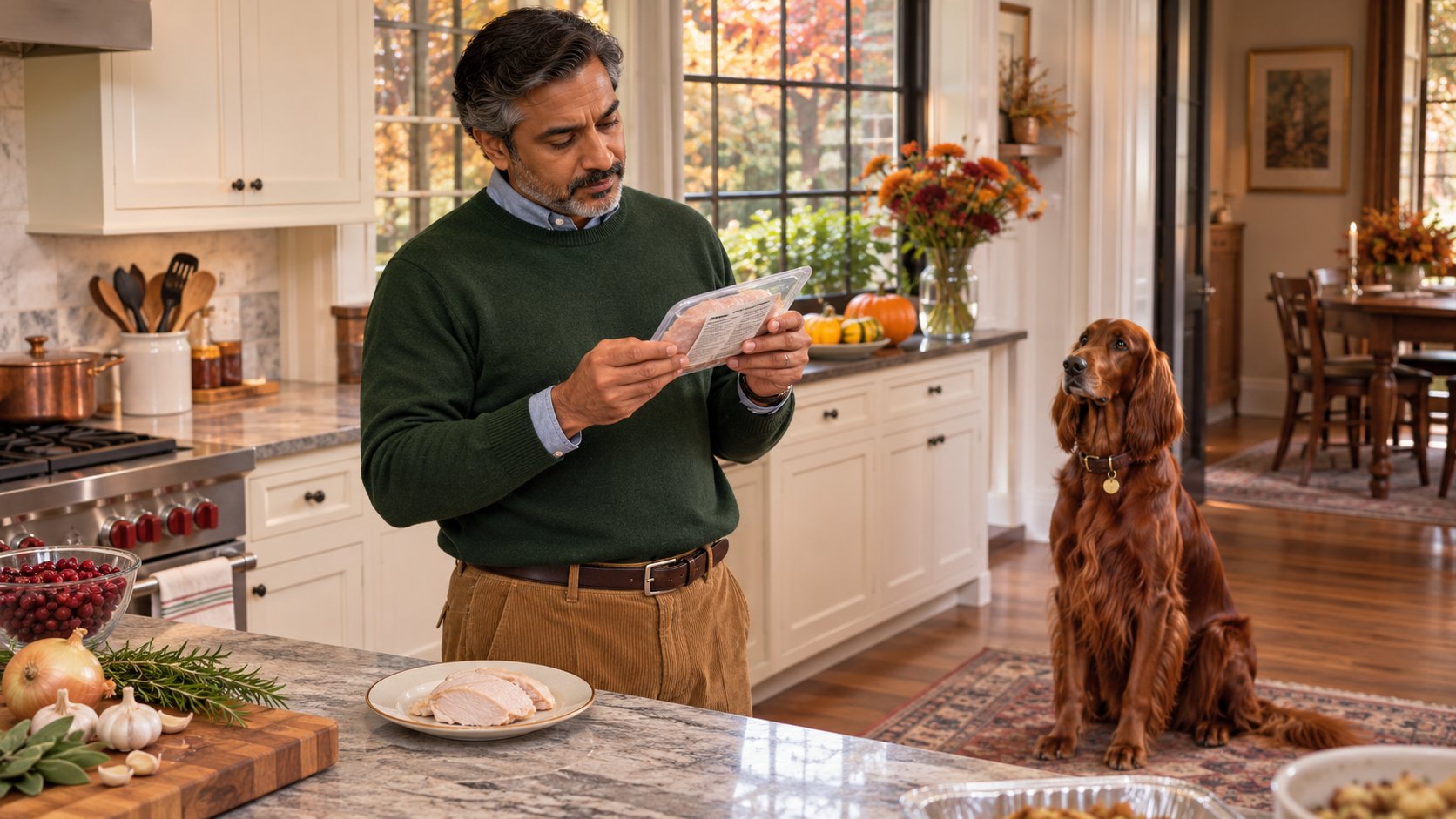
Learn which warning signs need prompt veterinary advice, what details to record, and how to prepare for a useful call.

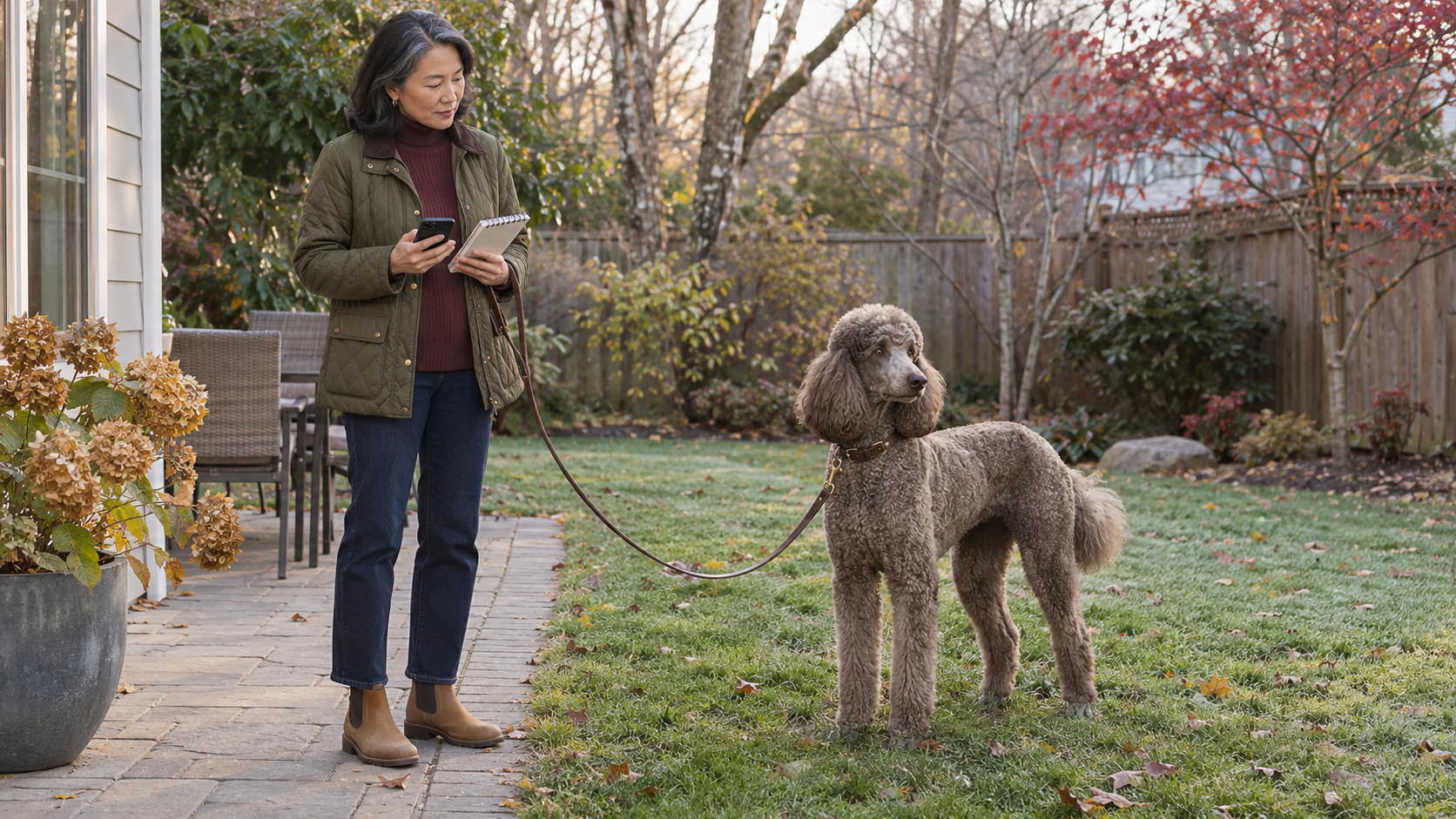
Diarrhea is common in dogs, but it is not a diagnosis. One loose stool can follow a minor upset; the same symptom can also appear with illness that needs prompt veterinary care. The safest starting point is not a home-treatment recipe or a clock. It is an honest look at the whole dog: what changed, how the dog is acting, and whether any warning signs are present.
This guide can help you organize observations and understand why a veterinary team may want to hear from you. It cannot identify the cause of a particular dog’s symptoms or replace a veterinarian’s advice.
Start with urgency, not the cause list
Call a veterinarian promptly, or seek emergency guidance, if your dog has black or tarry stool, substantial or uncontrollable bloody diarrhea, severe weakness or collapse, obvious severe pain, breathing difficulty, or a possible toxin or foreign-object exposure. Repeated vomiting, an inability to keep fluids down, worsening illness, or concerns about dehydration also deserve prompt assessment.
Blood in stool is not a detail to ignore. A small streak of fresh red blood and profuse bloody diarrhea are not identical situations, but an article cannot safely tell an owner that either is harmless. Black, tar-like stool can reflect digested blood, and it needs veterinary attention. The color or appearance alone does not tell you where bleeding began or what caused it.
Puppies, very old dogs, and dogs with chronic health conditions have less room for a wait-and-see approach. The University of Missouri Veterinary Health Center specifically highlights young and old animals and dogs with conditions such as diabetes or kidney disease as patients who need earlier veterinary guidance. “Senior” is not one age for every dog, so the useful question is whether your dog’s age or health changes the risk.
If you are uncertain whether a symptom is urgent, call the veterinary office or an emergency service and describe what you see. A team that knows your dog’s history can help decide the next step.
What to note before you call
A clear description gives the veterinary team a better starting point than “my dog has diarrhea.” Note when the problem began, how often it has happened, whether the stool is loose or watery, and whether there is urgency, straining, mucus, fresh blood, or a black appearance. Also note changes in appetite, drinking, energy, vomiting, discomfort, medication or supplement use, recent food changes, scavenging, access to trash, possible toxins, and whether another pet in the home is ill.
Stool patterns can give clinicians useful clues, but they do not let an owner diagnose the problem from a photograph. Small- and large-bowel patterns may differ in frequency and volume. Those descriptions are a reason to share details with a veterinarian, not a reason to select a treatment at home.
Do not start a human antidiarrheal medicine, use a leftover prescription, or add a supplement without veterinary direction. A product that is suitable in one circumstance can be inappropriate in another. Likewise, avoid abrupt diet changes or a universal fasting or bland-diet plan unless your own veterinary team tells you what is appropriate for your dog.
Keep fresh water available unless your veterinarian has given you a different, individualized instruction. Diarrhea and vomiting can both lead to fluid loss, and a dog that cannot drink or cannot keep water down needs prompt professional advice. Home checks of gums or skin cannot rule out dehydration or serious illness.
Possible causes are a starting point, not a verdict
A change in food, a rich snack or something picked up on a walk can be part of the history. So can a recent medicine, travel or a stressful change in routine. But the same visible symptom can appear with parasites, infection, inflammation or a condition outside the intestine. None of those possibilities can be ranked for your dog from a general article. The point of the list is to help you tell the veterinary team what may have changed, not to pick a cause before an examination.
Be specific when you call. If a food changed, say when it changed and whether the dog ate anything else unusual. If your dog may have swallowed a toy, medication or other object, tell the clinician immediately rather than waiting to see whether it passes. A dog with repeated episodes, weight loss or declining energy also needs a conversation about more than a single meal. A familiar pattern is still worth reassessing when the pattern changes.
It can be tempting to label a loose stool as stress. Stress can affect digestion, but the label does not rule out another cause. The same caution applies to calling a dog’s recurring symptoms a “sensitive stomach.” An owner’s observations are valuable; they are the beginning of the clinical history, not a diagnosis.
What may happen at the clinic
A veterinary team will ask about the dog’s history and examine the dog before choosing a plan. Depending on what the history and examination suggest, a clinician may recommend stool testing, bloodwork, imaging or another assessment. That does not mean every dog with one loose stool needs every test. It means the choice follows the individual patient and the signs present.
Ask the clinic whether it wants a stool sample and how to collect and bring it. A sample can be useful in some circumstances, but the office may have different instructions based on the dog’s symptoms and when it can see the dog. If you have a photo, it may help describe appearance; it does not replace an examination or tell you the cause by itself.
Treatment also depends on the assessment. The absence of an antibiotic prescription does not mean a dog received inadequate care: professional guidance for acute diarrhea weighs severity and advises against routine antimicrobials in mild cases. That guidance belongs in the clinician’s hands. Do not stop a prescribed medicine because of something you read here, and do not use someone else’s prescription because a symptom looks similar.
When to call even if there is no dramatic warning sign
An emergency sign is not the only reason to call. Recurring loose stool, reduced appetite, discomfort or a clear change from the dog's normal behavior deserves veterinary guidance. If the problem is getting worse instead of better, make the call. If you are unsure how long to monitor a dog who otherwise seems well, ask the clinic rather than relying on a universal countdown from an article.
Published veterinary resources use different time windows for persistent diarrhea. They also describe exceptions for dogs who are young, old, ill, or vomiting. That difference is a good reason to describe the whole dog when you call. A veterinarian who hears the age, medical history, current behavior and stool pattern can offer a more useful next step than a generic “wait 24 hours” rule.
A puppy with diarrhea warrants earlier attention because puppies can lose fluid quickly and may be vulnerable to infections. An older dog or a dog with an existing condition also needs an individual threshold. The same applies when diarrhea follows possible access to medication, trash, a chemical or a swallowed object. If you think there was an exposure, tell the veterinary team what the item was, when it might have happened and, if available, how much could be missing. Do not wait for a loose stool to become the main problem.
Sometimes owners hesitate because the dog still wants to play. A good mood is useful information, but it is only one part of the picture. Tell the clinic about the stool and any other changes anyway if the episodes recur or something about the situation worries you. A phone call can establish whether the team wants to see the dog, monitor at home with specific instructions, or seek emergency care.
Keep the observation record simple
You do not need a perfect log. Write down the first time you noticed the change and each later episode as best you can. Note whether the stool was soft, watery or mixed with mucus, and whether the dog strained or seemed unable to wait to go outside. If you saw blood, describe its color and amount without guessing at the cause. A photo can help the clinic understand what you saw, but a photo cannot rule out illness.
Also tell the team what is normal for this dog. A dog who usually eats eagerly but turns away from food has changed, even if another dog might be a picky eater on an ordinary day. Note drinking and energy, and mention vomiting separately. If the dog has been taking medication or a supplement, give the product name and dose to the clinic. Do not quietly stop a prescribed medicine without asking the prescriber what to do.
It is useful to mention recent boarding, travel, a new treat, a change in food or contact with other animals. That history can guide the questions a clinician asks. It does not prove which event caused the diarrhea. If more than one pet is unwell, say so. Keep the product packaging for any food, treat or possible exposure if the clinic asks for details.
The record is for communication, not home diagnosis. You are not expected to sort every loose stool into a category or decide whether the problem began in the small or large bowel. Clinicians can use patterns of frequency, urgency and amount alongside the examination and other findings. Your job is to describe what happened accurately.
Be careful with food and medicine advice
A search for dog diarrhea quickly turns up fasting instructions, chicken-and-rice recipes, probiotics and human medicines. Those suggestions can sound reassuring because they offer something to do right away. They are not a single safe plan for every dog. Puppies, dogs with chronic illness, and dogs who are vomiting can need different advice. A clinician may recommend a food plan for an individual patient after hearing the history.
If a dog is already on a prescribed diet, do not replace it with an internet recipe without checking with the veterinary team. If a food change seems related to the problem, tell the clinic exactly what changed. That is more useful than trying several new foods in quick succession and losing track of what the dog ate. A diet intended for a short illness may also be unsuitable as a long-term complete diet.
Do not give a human antidiarrheal drug because a friend used it for their dog. The dog's other medicines, health conditions and the reason for the symptoms all matter. The same caution applies to leftover antibiotics or a probiotic chosen from a shelf. An article cannot know whether a particular product is appropriate, and it should not make a recommendation that belongs to the veterinarian.
This does not mean every dog needs medication. Professional antimicrobial guidance for acute diarrhea considers overall severity and advises against routine antibiotics in mild cases. That is guidance for veterinary decisions, not a way for an owner to judge an individual prescription. Ask what the treatment is meant to address and when to call back if the dog does not improve.
Fluids, cleanup and the rest of the household
Keep fresh drinking water available unless the veterinarian gives a different instruction for this dog. Report repeated vomiting or a dog who cannot keep water down promptly. Do not force water into a dog who is struggling, and do not take apparently normal gums or skin as proof that dehydration has been ruled out. A veterinary team can assess the whole patient.
Prompt cleanup helps you notice how often the dog has had an episode and keeps waste out of the living area. Wash your hands after handling stool or cleanup supplies. Keep children away from waste and help them wash their hands after contact with a dog or its belongings. The CDC's dog-care guidance supports ordinary hand hygiene; it does not mean every case of diarrhea is an infection that people can catch.
If the dog shares space with other pets, tell the veterinarian about their health and ask whether any additional separation or cleaning is appropriate. The cause matters. A general article cannot say every affected dog is contagious, or that no precaution is needed. Keep the immediate routine practical: clean the area, wash hands, and follow any case-specific instruction from the clinic.
Outdoor cleanup matters too. Pick up stool when it is safe to do so and dispose of it according to local rules. Avoid letting a dog with urgent episodes roam where you cannot observe what happens. If the dog seems weak, painful or otherwise unwell, the priority is veterinary advice rather than a longer walk or exercise.
Questions to bring to the veterinary conversation
Owners can ask whether the current signs call for an appointment now, an emergency visit, or monitoring with a clear check-in point. Ask what changes would mean calling back sooner. If the clinic recommends a diet or medicine, ask how it fits this dog's age, health history and existing prescriptions. Those questions can be written down before the appointment, especially when the dog has been ill overnight and details are easy to forget.
Ask whether a stool sample would help and how the clinic wants it handled. Some visits require testing, while others begin with history and examination. If tests are recommended, ask what each one could clarify and how the result might change the plan. If no test is recommended immediately, ask what would prompt reassessment.
A follow-up plan is part of the visit. Know whom to call if the dog becomes weak, starts vomiting, develops blood in the stool, cannot keep fluids down or continues to deteriorate. The plan may be different for a puppy or a dog with chronic disease. Keep the clinic's instructions with the medication or discharge paperwork rather than trying to reconstruct them later.
What recovery does and does not show
A dog may improve quickly, but a better-looking stool does not explain what caused the earlier episode. If symptoms return, tell the veterinary team how many episodes occurred and what happened between them. Recurring diarrhea, weight loss or a decline in energy deserves another look instead of an indefinite label of “sensitive stomach.”
It is reasonable to want a single rule for when to worry. Diarrhea does not offer one. The useful distinction is between a dog with concerning signs or added vulnerability who needs prompt advice, and a dog whose veterinary team has assessed the situation and given a monitoring plan. If you do not have that plan, call and ask. Describing what you see accurately is more valuable than trying to name the condition yourself.
A calm, specific report can shorten the path to the right help: when it started, what the stool looked like, how the dog is acting, what the dog may have eaten, and whether vomiting or other signs are present. The veterinary team can then advise on urgency and the next step for your dog.
Why stool descriptions help without diagnosing
Veterinary teams sometimes distinguish patterns associated with the small and large bowel. MSPCA-Angell describes one pattern with larger, watery episodes that may occur at the dog's usual frequency, and another with smaller, more frequent episodes, urgency or straining. Mucus or fresh red blood can occur in the latter pattern. These are tendencies clinicians interpret alongside the rest of the history. They are not a home test that tells you which disease a dog has.
Tell the veterinary team when a dog repeatedly asks to go outside but produces little stool. Do not assume that straining means the dog is constipated or that a small amount of stool makes the problem minor. Say what you observed, including whether the dog is repeatedly trying to pass stool, and let the clinician decide whether examination or testing is needed. Keep any photograph private to the veterinary conversation and follow the clinic's directions for sharing it.
Sources and further reading
- Cornell Riney Canine Health Center, “Diarrhea”
- Merck Veterinary Manual, “When to See a Veterinarian”
- University of Missouri Veterinary Health Center, “Vomiting and Diarrhea”
- MSPCA-Angell, “Acute Colitis: The Scoop on Diarrhea in Dogs”
- VCA Animal Hospitals, “Diarrhea in Dogs”
- ENOVAT, 2024 antimicrobial guideline
- CDC, “Dogs”
- Research packet and claim matrix
About the author
Stephen Gill
Stephen Gill is the founder of Inspired by Tyson and writes Canine Journal from real life with Tyson. His work covers dog ownership, behavior, safety, canine health, working dogs and the relationship between dogs and their people.
Read Stephen Gill’s full author profileRead More
Scroll or use the arrows to explore more stories.