Would You Clone Your Dog? The Questions Worth Asking
A cloned puppy can share a genetic connection with a beloved dog. Understanding the limits, the welfare questions and the written promises comes first.
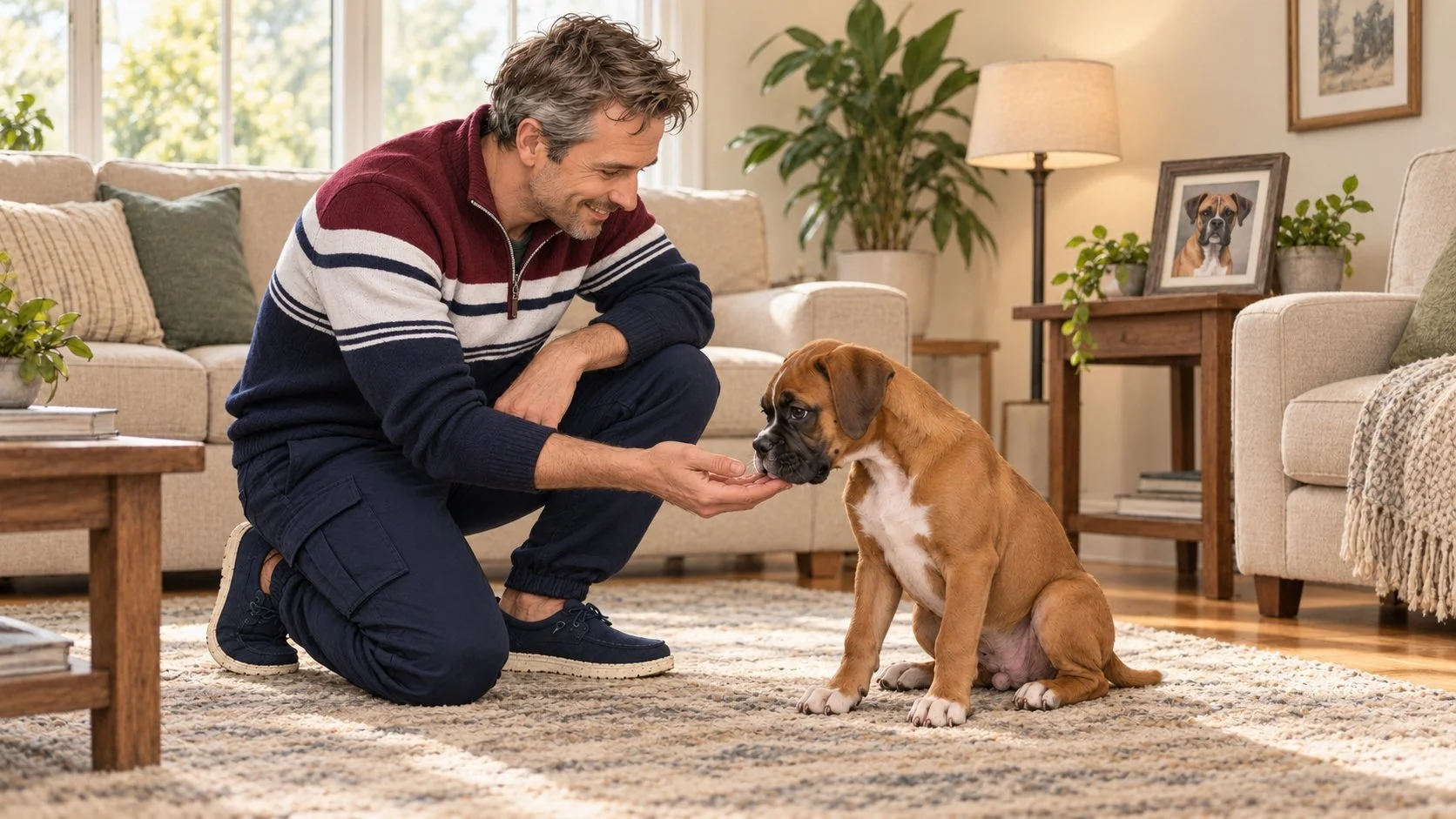
A dog can be cloned. The life you shared with that dog can't be copied along with it. That's the first thing to understand before weighing a service that promises a familiar genetic connection. Even ViaGen, a commercial provider, says a cloned puppy won't remember the original dog's walks, training or relationship with you. [1]
The question deserves better than a celebrity headline or a quick judgment about how attached someone is to a pet. It calls for clear information about the new puppy, the other dogs involved and the promises on offer.
In February 2026, the British Small Animal Veterinary Association (BSAVA) published a position statement saying it does not support commercial companion-animal cloning. It cited welfare concerns and gaps in long-term health evidence. That's a good reason to look past the sales pitch, and you can do that while staying respectful of owners who are thinking it over. [2]
What is actually copied?
Dog cloning uses a technique called somatic cell nuclear transfer. Broadly, genetic material from a body cell is placed into an egg whose own nucleus has been removed, and a surrogate then carries the resulting embryo. The National Human Genome Research Institute describes the process in its cloning fact sheet. [3]
The nucleus matters because it holds the genetic material being copied. Still, "all the DNA is identical" is too simple a description.
An independent analysis published in Nature in 2006 helps explain why. Researchers compared Snuppy, an early cloned dog, with the original dog, Tai, and found matching nuclear markers. Their mitochondrial DNA differed at several tested sites. Because mitochondrial DNA sits outside the nucleus, a nuclear genetic match doesn't mean every part of the genetic material matches. [4]
That finding answers a scientific question about cloning. It doesn't tell an owner that a puppy will recreate a particular relationship. A genetic comparison and a promise about companionship are different kinds of claims.
Familiar traits, a new individual
ViaGen's current explanation acknowledges that a cloned dog can develop its own quirks and temperament. It also says environment and experience help shape personality, and that the clone can't remember the original dog's life. Those are significant limits to hear from a company selling the service. [1]
For an owner, the practical question is whether a new dog would be welcomed on its own terms. If the puppy preferred different games, responded differently to training or settled into different routines, would the resemblance still mean something? Those are questions to reflect on. They aren't predictions about what any particular clone will do.
It helps to separate what you hope for from what anyone can demonstrate. A photograph can show resemblance. A genetic report can speak to genetic identity. Neither can show, on its own, that an owner will feel the same bond.
The other dogs in the process
Cloning also involves egg donors and surrogate mothers. Their care belongs in the conversation, even when the advertising centers on the puppy an owner will receive. [3]
A 2022 paper in Scientific Reports described the first 1,000 puppies produced by a cloning program associated with South Korea's Sooam Biotech Research Foundation. The authors reported their procedures, outcomes and physical variations among clones, including some abnormalities. It's evidence about that program, not a current audit of every commercial provider. [5]
The paper's figures shouldn't be turned into a predicted success rate for a different company today. A provider's broad reassurance about animal welfare, likewise, calls for specific questions: how many dogs are involved, what procedures they go through, and who is responsible for their care afterward.
ViaGen states that it assumes responsibility for the long-term care and well-being of its egg donors and surrogates. That's a company statement. An owner can ask how the commitment is carried out and what records or independent oversight back it up. [1]
The BSAVA's concerns are its stated veterinary position, not a declaration that every cloned puppy will become ill. Its February statement also opposes collecting and storing pets' genetic material commercially for the express purpose of cloning a specific pet. [2]
What does the quoted price cover?
On its U.S. website, checked October 15, 2026, ViaGen lists dog cloning at $50,000. The price page also lists a $1,600 genetic-preservation fee and $150 in annual cell-storage charges, with other possible costs depending on circumstances. The company says annual storage fees are credited toward the cloning cost if you proceed. Treat these as the provider's published terms on that date, not a personalized total. [6]
The same page separates its cloning-fee refund promise from genetic preservation, which it says is not refundable. Before committing, ask for the complete written terms and an explanation of any additional charges. A headline price doesn't answer every question about payment or outcomes. [6]
Banking cells and commissioning a puppy are separate decisions. At each stage, ask what you're paying for, what remains uncertain and what further decisions you'd face. A conversation with your own veterinarian can help you frame the animal-care questions before you speak with a provider.
Three questions worth taking away
• What do I expect this puppy to be? Write down the difference between a genetic connection and the memories or habits you hope to recognize. Keep the provider's stated limits next to those expectations. [1,4]
• What happens to every dog involved? Ask for current, provider-specific information about egg donors, surrogates, unsuccessful attempts, health monitoring and care afterward. A historical research paper can't answer those questions for a different business. [3,5]
• What is promised in writing? Ask about the total cost, exclusions and the outcome covered by any guarantee. Keep scientific evidence apart from a commercial assurance. [6]
You can acknowledge the love behind this question without treating love as a reason to overlook uncertainty. You can also decide against cloning without judging someone who has considered it.
The decision starts with one plain question: could you welcome this puppy as a new individual, even if the resemblance brought back strong memories of another dog?
Sources
- ViaGen, Can You Clone A Dog?, August 17, 2026
- BSAVA, Cloning of companion animals, February 2026
- NHGRI, Cloning Fact Sheet, updated August 15, 2020 (process only)
- Parker, Kruglyak and Ostrander, DNA analysis of a putative dog clone, Nature, March 9, 2006
- Olsson et al., Insights from one thousand cloned dogs, Scientific Reports, July 1, 2022
- ViaGen, How Much Does It Cost To Clone A Dog?, June 23, 2026, checked October 15
About Stephen Gill
Stephen Gill is the founder of Inspired by Tyson and editor of its dog-focused publications. His work focuses on practical dog ownership, canine news, health, safety, behavior, and issues affecting dogs and the people who care for them.
Learn more about Stephen Gill →Subscribe to Daily Doggy News via RSS
Read More
Scroll or use the arrows to explore more stories.
 Latest Daily Doggy NewsSnoopy Helps Shelter Dogs Find Their People
 Related: Canine GeneticsHow Dog DNA Could Help Solve Crimes
 Latest Canine JournalAre Florida Frogs and Toads Dangerous to Dogs
 Latest It MattersA Shelter Dog’s Day Out Still Matters
 Latest Tyson’s LifeIs a 10-Minute Walk Enough for Your Dog?