
Flying With a Dog: Check Before You Book
A ticket for you does not settle your dog's travel plans. Start with the flight, the destination, the trip home and your dog's individual needs.

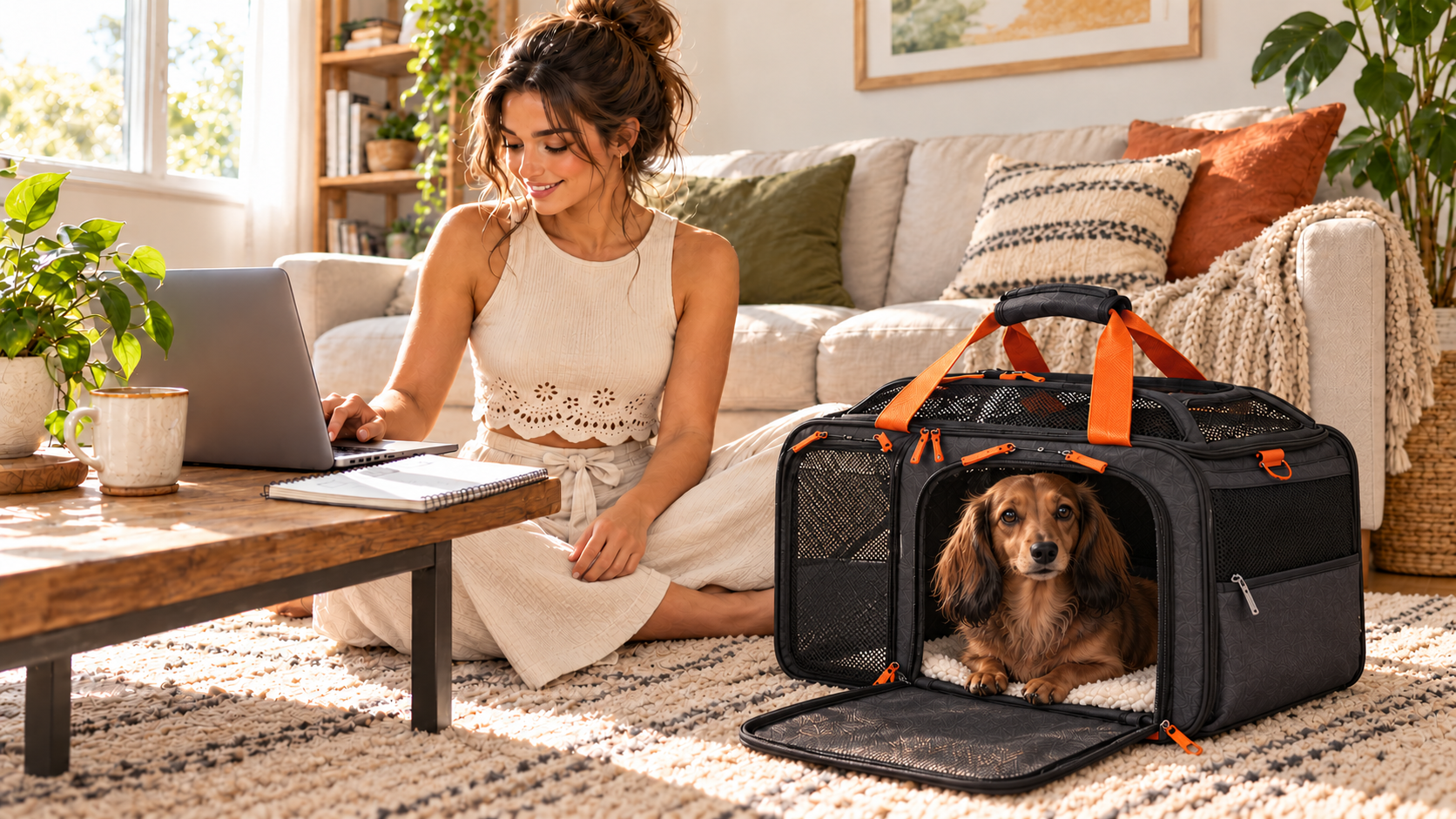
The flight looks good. The hotel allows dogs. Your dog has a travel carrier. It's easy to feel like the hard part is done.
It isn't, and the booking screen is a poor place to find that out. A seat for you says nothing about whether your dog can travel on that flight, get into the destination, or come home under the same arrangements.
Before you pay for a trip you can't easily change, work through four questions. Will the airline take your dog on every leg? What does the destination require? What will the return trip require? And is flying a sensible choice for this particular dog?
Start with the actual flight
"Pet-friendly airline" is a fine place to start, but it isn't an itinerary. The U.S. Department of Transportation says airline pet policies vary, with restrictions that can involve size, age, behavior, seating and weather. Some carriers limit cargo travel during hot or cold periods. A policy that worked for a friend's dog may not work for yours. [1]
Ask about the airline operating each flight, connections included. Have your travel dates, route, your dog's details and the carrier measurements on hand. Find out how the pet reservation gets confirmed and what happens if the aircraft or itinerary changes. Sort these out before a cheap fare turns into an expensive puzzle.
Two airlines show why the details matter. On its website, checked October 15, American Airlines lists different hard-sided carrier limits for mainline and American Eagle flights. It also prohibits carry-on pets on transatlantic and transpacific trips. A carrier that fits one aircraft doesn't solve the next leg. [2]
Delta says cabin-pet spaces are limited and given out first come, first served. Once a qualifying traveler has a reservation, Delta directs them to contact Reservations promptly with the kennel's length, width and height. For flights operated by a partner, Delta tells customers to check the partner's own policy. [3]
Check the dog inside the carrier
A carrier has to do two things: meet the airline's requirements and fit the dog. Do not treat the dimensions printed on a shopping page as the whole answer.
Delta recommends a soft-sided carrier no larger than 18 by 11 by 11 inches, since that fits most aircraft types. The actual maximum depends on the under-seat space on your aircraft. The dog must fit comfortably and be able to move without touching or protruding through the sides. [3]
"Fits most aircraft" isn't a promise about your flight, and a bag's outside measurements don't tell you whether your dog is comfortable inside. Check both before you build the rest of the trip around cabin travel.
Ask the veterinary question early
The American Veterinary Medical Association recommends a veterinary examination to find out whether a pet is healthy enough to travel. Its travel guidance also says to talk with a veterinarian about sedatives or tranquilizers, which can raise heart or breathing risks and which airlines generally don't allow. [4]
Do not assume medication will turn an unsuitable journey into a suitable one. Talk with your vet about the dog's health, temperament and the planned travel arrangements well before departure day, and cover the whole trip, not just the hours in the air.
Short-nosed dogs need particular attention. DOT notes that airlines may decline to carry these breeds because of breathing risks. Weather restrictions also matter for dogs traveling outside the passenger cabin. Ask the carrier and your vet about your dog's situation instead of settling for a general reassurance. [1]
American, for example, says it doesn't accept sedated or tranquilized pets. Its checked-pet service is limited to eligible active-duty military and State Department Foreign Service personnel traveling on official orders. Other owners shouldn't assume they can check a dog at the counter if cabin travel falls through. [2]
The destination has its own say
Even a domestic trip can involve animal-health paperwork. USDA APHIS says the receiving state or territory sets the requirements for owners moving pets between states. These can include health certificates, vaccinations, testing or treatments. Check the destination instead of assuming a domestic ticket means no preparation. [5]
For international travel, contact a USDA-accredited veterinarian as soon as you decide to go. APHIS explains that the destination country sets the entry requirements, and they can change. The veterinarian can help work out which tests, treatments and documents apply. [6]
Mexico shows how an old checklist can let you down. APHIS says that, effective August 3, 2026, pet dogs traveling from the United States to Mexico need a New World Screwworm inspection certificate signed by a USDA-accredited veterinarian and issued no more than five days before entry into Mexico. That dog certificate doesn't need APHIS endorsement. Other entry conditions still apply. [7]
This isn't a substitute for reading the full country guidance. It's a reason to open the current page, even if you've made the same trip before.
Plan the homecoming before leaving
CDC says dogs entering or returning to the United States need a CDC Dog Import Form receipt. They must appear healthy, have a microchip and be at least six months old. Additional requirements depend on their recent travel history and vaccination circumstances. [8]
That age threshold can change plans for a young dog. An airline's domestic minimum age is a separate matter from the rules for entering the United States.
CDC paperwork also isn't necessarily the whole return checklist. APHIS warns that it may have separate requirements. Its Mexico guidance says returning U.S.-origin dogs must meet screwworm-freedom certification requirements after travel to Mexico. Check both agencies before you leave. [6,7]
Keep a workable alternative
This guide is about pets. Trained service dogs travel under a separate framework, and DOT says emotional-support and comfort animals don't qualify as service animals under its air-travel definition. [9]
For a pet, take the decisions in order. Check the route, speak with your vet, confirm the destination and return requirements, then settle the carrier and booking details. Save the confirmations and documents somewhere you can reach them during the trip.
If the pieces don't fit, consider another itinerary, driving or arranging care at home. The best travel plan is the one that works for your dog as well as your calendar.
What would you want confirmed before buying your dog's next flight?
Sources
- DOT, Flying with a Pet
- American Airlines, Pets, checked October 15, 2026
- Delta, Pet Travel Overview, checked October 15, 2026
- AVMA, Traveling With Your Pet, 2023 brochure
- APHIS, Interstate Pet Travel
- APHIS, Take a Pet From the U.S. to Another Country
- APHIS, Pet Travel From the U.S. to Mexico, modified September 21, 2026
- CDC, Dog Importation FAQs, updated August 27, 2026
- DOT, Service Animals
About the author
Stephen Gill
Stephen Gill is the founder of Inspired by Tyson and writes Daily Doggy News from real life with Tyson. His work covers dog ownership, behavior, safety, canine health, working dogs and the relationship between dogs and their people.
Read Stephen Gill's full author profileRead More
Scroll or use the arrows to explore more stories.
 Latest Daily Doggy NewsSnoopy Helps Shelter Dogs Find Their People
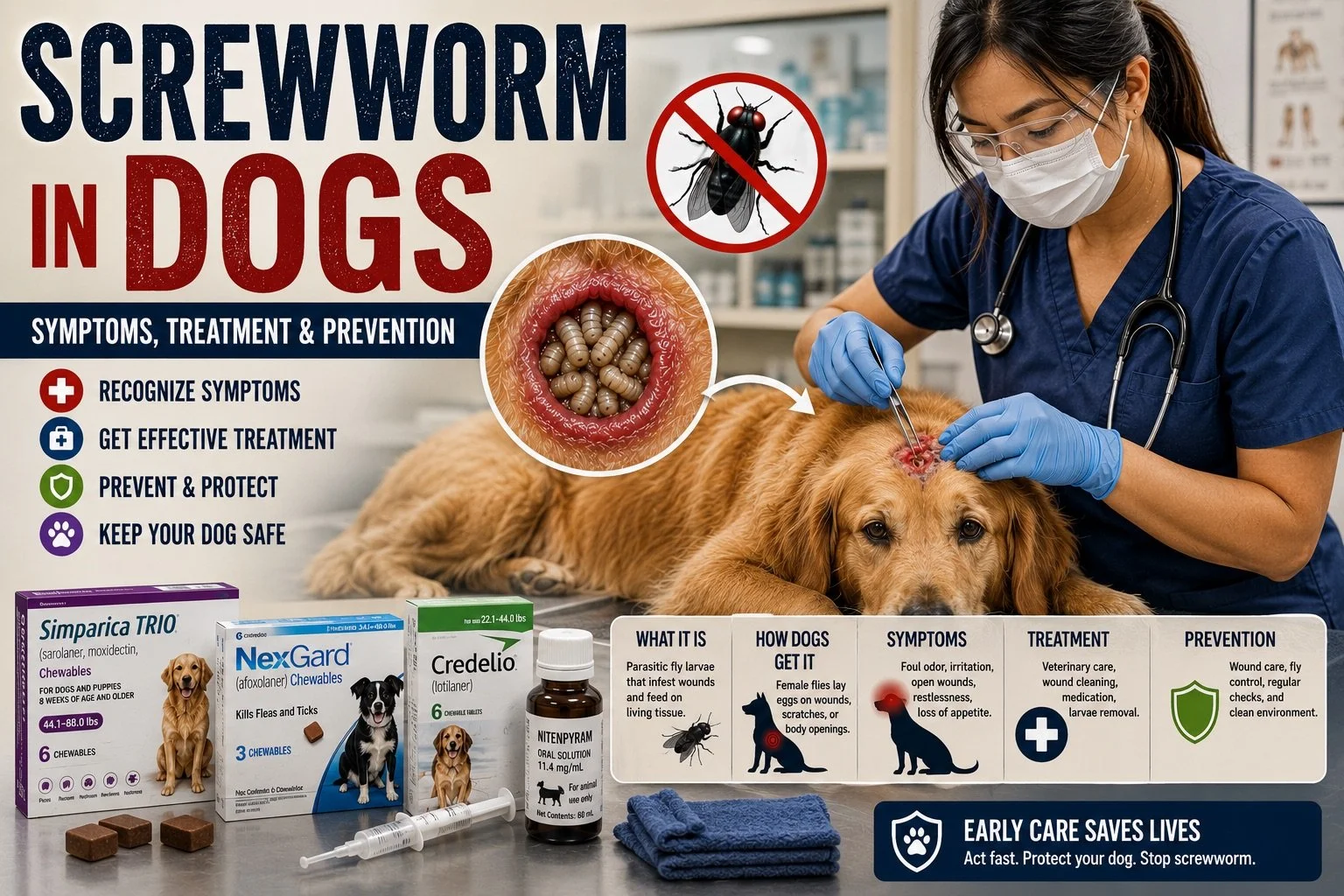 Related: Travel HealthScrewworm in Dogs: Symptoms, Treatment & Prevention
 Latest Canine JournalAre Florida Frogs and Toads Dangerous to Dogs
 Latest It MattersA Shelter Dog’s Day Out Still Matters
 Latest Tyson’s LifeIs a 10-Minute Walk Enough for Your Dog?