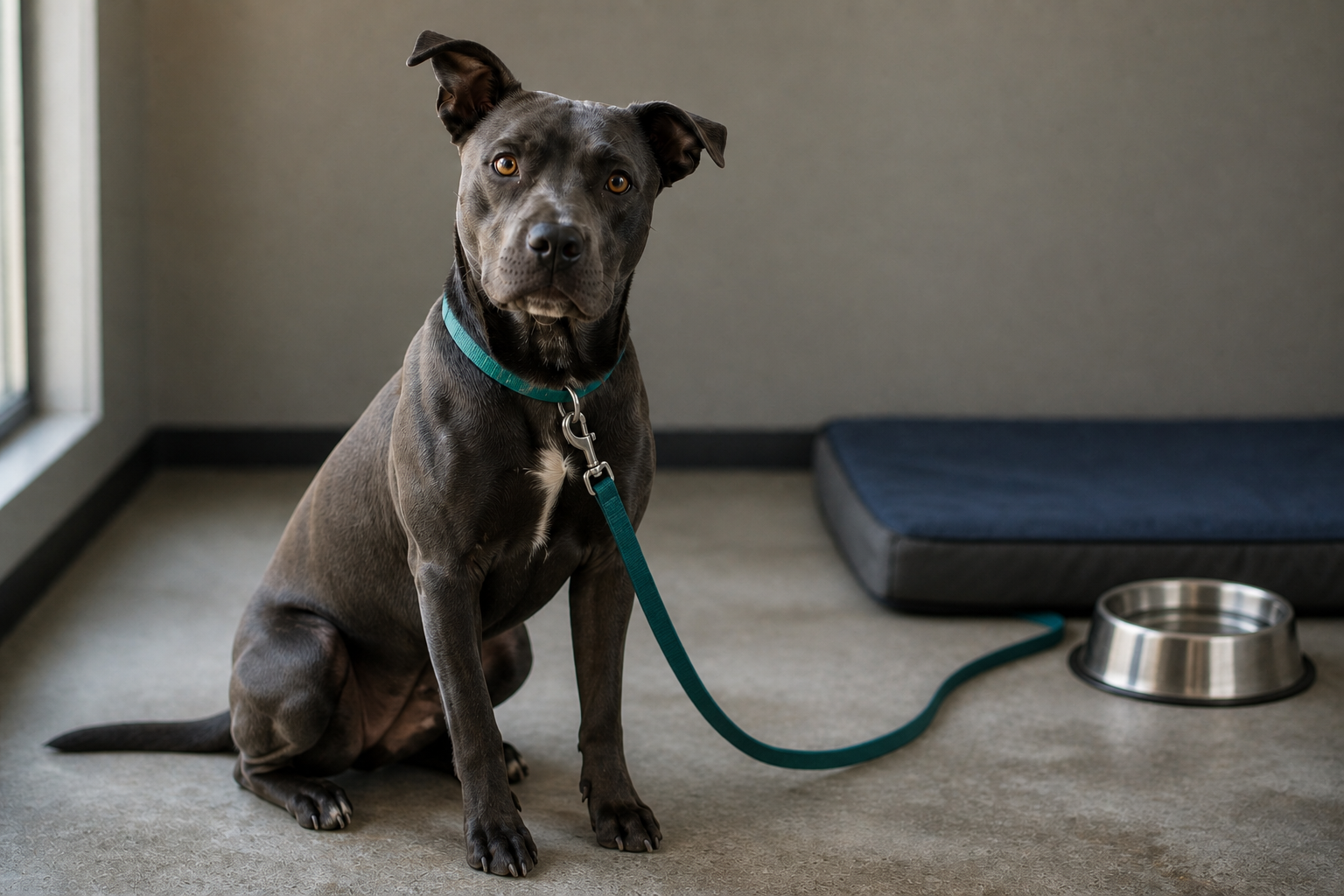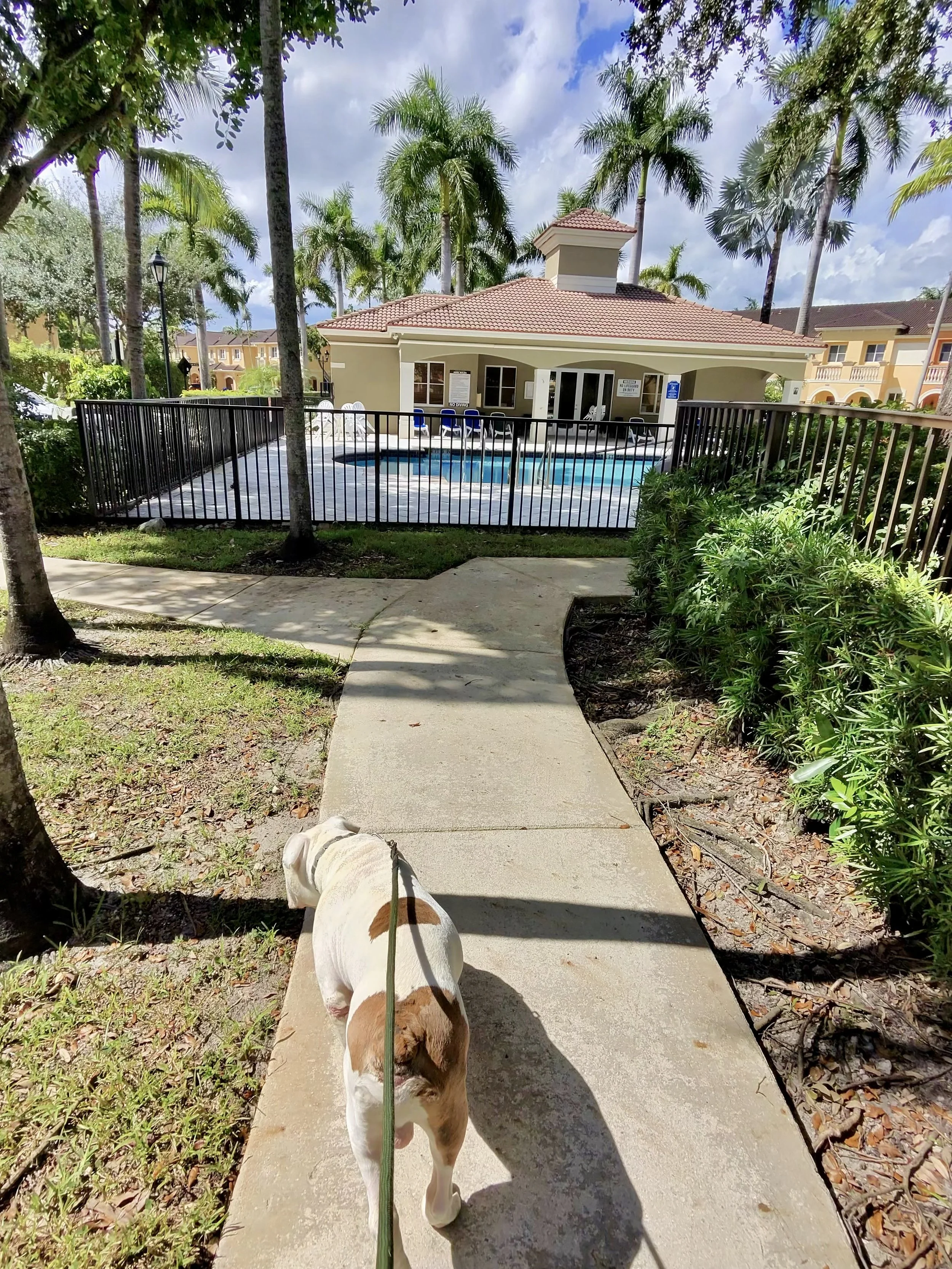
Chico spent his Saturday walking a Culver City bike path and resting in the shade at a park, with volunteer Steven Szydio beside him. In Christina London’s October 7 account for Best Friends Animal Society, the dog from the South L.A. shelter got an afternoon outside the kennel and someone paying attention to him.
The outing took place on Adventure Buddies Day, September 19, 2026. London’s report doesn’t say whether Chico was ever adopted.
If you have a few hours to give but no room for another dog at home, that open ending raises a fair question. Is one afternoon worth doing?
Short Answer
Yes. When adopting or fostering for longer isn’t possible, a shelter-approved outing can be a worthwhile way to take part. You spend real time with one dog, and you bring back observations the shelter can use. How much it’s worth depends on following the program’s rules and choosing activities that suit the dog. An outing doesn’t promise an adoption, and it doesn’t change the fact that the dog still needs a home.
The part you can offer
There are good reasons not to adopt. Your lease may not allow pets. Your own dog may need a quiet house. Work, money or caring for someone else may leave you with a little time and almost no room for another long-term responsibility.
Those limits are real, and they deserve respect. Nobody should have to make an adoption that doesn’t fit their life just to show they care about shelter dogs.
A day-out program asks for something smaller and clearly defined. You agree to look after a particular dog for a set time, under the shelter’s direction, and then you bring that dog back. Keeping that agreement is meaningful work, even when it ends with handing back the leash.
That handover can still be the hardest part. The objection is easy to understand: if the dog needs a home, why celebrate a trip that ends at the shelter door?
Because the wait for a permanent answer shouldn’t make every smaller act of care look pointless. A dog’s time matters while that answer is still out. We can value an afternoon together without pretending it finishes the job.
The ethical test is what we ask of the dog. If the plan is really about getting an impressive photo, or bringing the dog along on errands we’d have run anyway, it’s worth rethinking. The starting point should be the shelter’s read on what this dog can comfortably handle today.
An ordinary afternoon is enough
September’s event is over, but Best Friends describes year-round Adventure Buddies opportunities at select locations. Best Friends estimates about 15 to 20 minutes for online signup, including a short orientation video. Staff match each dog to the participant’s plans and experience and to the dog’s own personality. The organization supplies items including a leash and water bowl, and it asks participants to pick dog-friendly activities that fit the dog’s comfort and energy.
You’ll still need to check availability and local arrangements. A national program page is where that conversation starts. It isn’t a promise that a dog will be ready whenever you turn up.
Tell the staff what you actually have in mind. “A walk and some quiet time” gives them far more to work with than “We’ll see where the day takes us.” Be just as honest about your handling experience and any physical limits. Staff can only match you well with what you tell them.
Leave some room in the plan. An outing doesn’t need several stops to justify picking up a dog. Ask which nearby places staff recommend and whether anything might call for a shorter or different outing. If the day goes differently than you expected, follow their instructions.
Read the rules before making plans
The practical details are part of the care, and they differ from one program to the next.
Person County Animal Services in North Carolina uses advance signup and reserved pickup slots. Its published return deadline is 3:30 p.m. Tuesday through Friday and 1 p.m. on Saturday. Staff pair participants with dogs suited to their handling abilities, and participants must read and sign a waiver and liability form. The county’s page says not to visit dog parks. It also recommends leaving your own pets at home, rather than bringing them along or taking the outing dog into a home with pets.
The Animal Rescue League of Iowa’s Dog’s Day Out program requires an adult handler with a valid driver’s license and asks for a $15 donation, which is nonrefundable. Its guidelines prohibit interactions with other dogs and visits to homes where other pets are present. Dogs must ride in an enclosed vehicle, buckled in with the seatbelt the organization provides. Participants also need to be able to bring a dog back within 25 minutes if asked.
These are examples of local requirements, not one rulebook for every shelter. Read your own program’s current instructions, including transport, weather, emergency contacts and return arrangements. If a promotional suggestion seems to clash with a written restriction, ask staff before you build a plan around it.
Do that checking before you invite friends, pick a destination or promise your kids a particular dog. Leaving the match to staff means accepting that the dog you pictured may not be the one available, and that the outing you proposed may need to change.
Bring back something staff can use
The handover at the end deserves more than a quick “We had fun.”
Person County asks participants to fill out a Pet Report Card and send photos that may be used in listings and social posts. Best Friends also asks people to share how the outing went. These requests give volunteers a concrete way to help that lasts beyond the hours away.
Write down what happened before deciding what it means. If the dog lay beside your chair for ten minutes, describe that moment and where you were. If the dog pulled toward something, note what it was and what happened next. Include the hard parts as well as the parts you enjoyed, and use the shelter’s reporting format.
That’s more useful than turning one afternoon into a sweeping verdict on the dog. “Perfect with everyone” is a big promise if you met two people. An outing without other dogs cannot establish how the dog would respond to meeting one. You don’t need to test a dog in situations the shelter hasn’t authorized to make your report more complete.
The same restraint applies to anything you share publicly. Follow the shelter’s photo and posting instructions. Use the current adoption link it gives you, keep identifying details accurate, and point inquiries back to the adoption team. Your enthusiasm should help people find the dog’s real information without promising anything about a future home.
You can be fond of the dog and still be precise. That fondness is actually a good reason to be precise, because the next person deserves an honest introduction.
What the afternoon leaves unfinished
Day-out stories pull toward a tidy ending: the dog finds a home, the volunteer finds a new best friend, and the photo says it all. Some real stories do end that way. Chico’s published account doesn’t establish that ending, and it would be unfair to write one for him.
It would be just as unfair to make adoption the only outcome that lets a volunteer feel the time was worth it. That standard pushes people to promise more than they can keep. Bringing the dog back responsibly, giving a candid report and being willing to help again can all be part of a serious commitment to animal welfare.
As a community, though, we should expect more than appealing outings. Shelters still need lasting homes for the animals in their care. Between volunteer visits, they need the people, facilities and resources to look after those animals. Celebrating public participation should make those needs easier to see, not give us a reason to look away.
If an afternoon leaves you wanting to do more, ask what the shelter actually needs. That might lead to another outing, a longer foster arrangement or a different volunteer role. Let the next commitment fit what you can really give.
Start with your local shelter
Ask whether it currently offers a dog-day-out or field-trip program. Then get the details that decide whether you can take part reliably:
What signup, orientation, age and ID requirements apply?
What time does the dog need to be back, and who do you contact if plans change?
Which activities and locations are approved for the dog staff match with you?
What supplies, transport arrangements and fees or donations are involved?
How should you send back observations and photos?
If outings aren’t available, respect that answer and ask about another good way to help. The point is to support the shelter’s work, not to talk it into an activity it can’t manage right now.
Chico’s afternoon is worth thinking about because it was such an ordinary kind of time. He had a walk, a shady spot to rest and a person beside him. For a reader who can’t adopt, the most useful next step may be just as ordinary. Call the shelter, find out what’s possible, and make a commitment you can keep.
Three takeaways
You can offer real help without taking on an adoption you can’t sustain.
Let shelter staff guide the match and the outing, and follow that program’s current rules.
Come back with honest observations. A good afternoon matters even while the search for a permanent home goes on.
Sources
Christina London, Best Friends Animal Society: 400+ shelter dogs embark on day of adventure in L.A., October 7, 2026.
Best Friends Animal Society: Adventures are for the Dogs this September 19, September 9, 2026.
Best Friends Animal Society: Adventure Buddies program.
Person County Animal Services: Dog Day Out.
Animal Rescue League of Iowa: Dog’s Day Out.
Program pages checked October 14, 2026. Confirm current local requirements before participating.