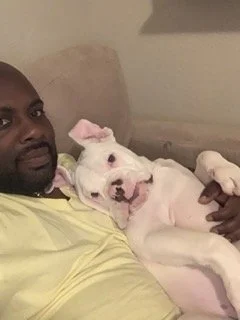
Moose’s rescue updates show why vomiting, diarrhea, weakness or unusual tiredness in a puppy should prompt a quick call to a veterinarian.
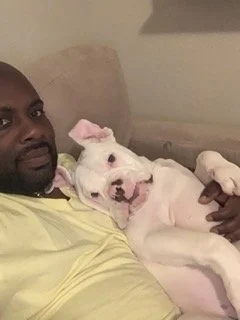
In August, a South African rescue group asked for help with a puppy named Moose. Sidewalk Specials said he was about four months old, critically ill with canine parvovirus and receiving veterinary care in isolation. In September, the group posted a different kind of update: Moose had recovered and been adopted. The rescue said he was checking in from his new home.
Those are two snapshots of his case. The August 5 appeal tells us what the rescue reported when it was asking for help. The September 9 update tells us what it reported by then. Neither post establishes the dates of his diagnosis, discharge or adoption, and we haven’t independently reviewed his veterinary records. The useful part for other puppy owners is what you can do before there’s an emergency, and how quickly to act when a puppy seems sick.
When a puppy seems off
Canine parvovirus spreads easily. Cornell University’s College of Veterinary Medicine says young, unvaccinated dogs are especially vulnerable, although an unvaccinated dog can get it at any age. The infection damages the intestine and can lead to fluid loss. It can also weaken a dog’s defenses against infection.
A puppy with parvo may seem unusually tired or lose interest in food. Vomiting, diarrhea, weakness, abdominal pain, fever and dehydration are also possible. You don’t need to see every sign on that list before making a call. Other illnesses can look similar, so a checklist or a rescue video can’t tell you what’s wrong with your dog. Cornell recommends testing puppies and unvaccinated dogs that are vomiting or have diarrhea. A veterinarian can examine the dog and decide what tests and care are needed.
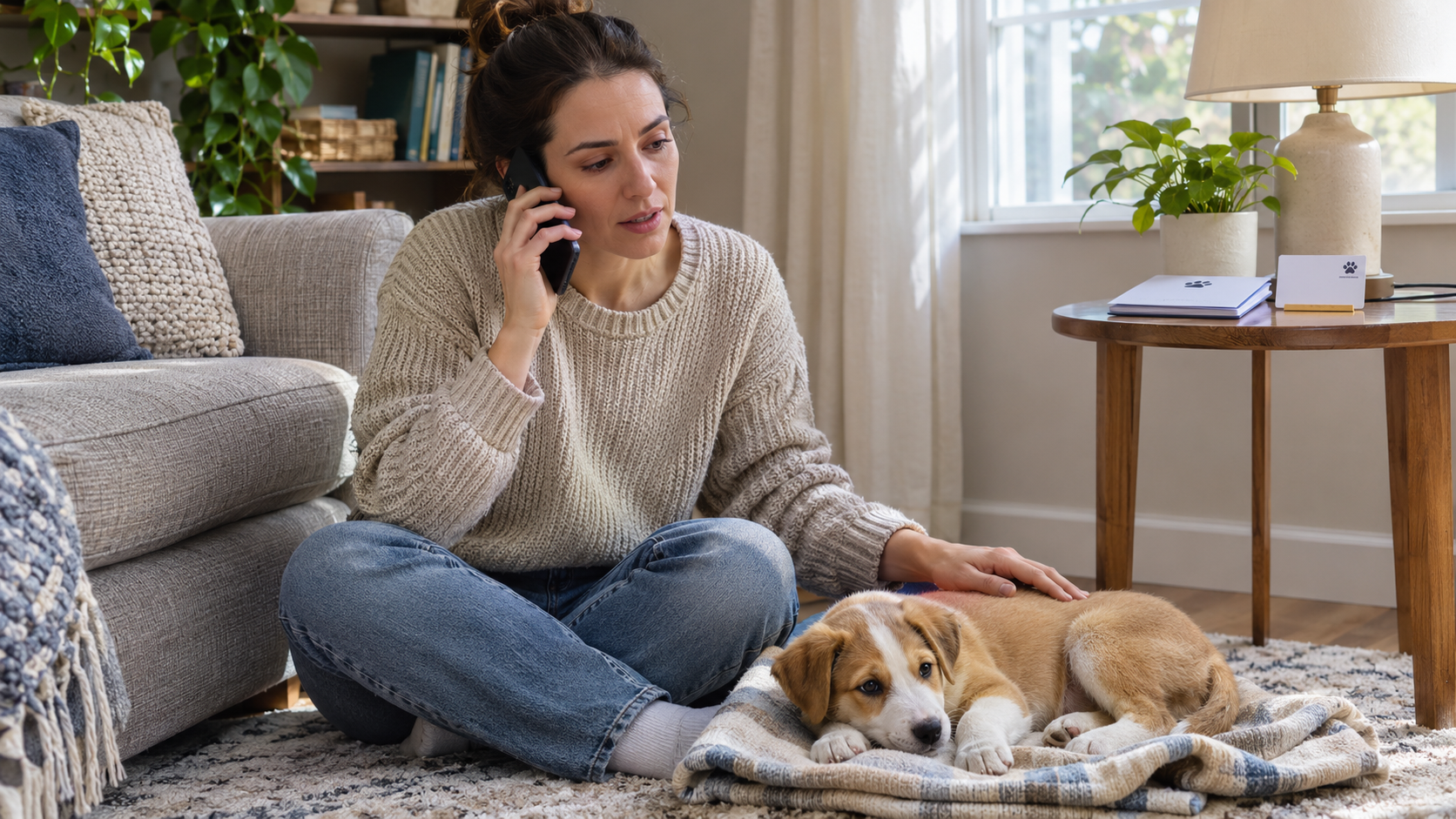
Call the clinic promptly if you suspect parvo, and explain what you’re seeing before you arrive. Mention the puppy’s age, vaccination history if you know it, and any possible exposure. The clinic can tell you how to bring the dog in without putting other patients at unnecessary risk. Ask where to wait and let the team know about other dogs in your household. While you’re getting instructions, keep the sick dog away from other dogs. Skip the dog park, daycare and any other place they might come into contact.
It can be hard to tell how sick a puppy is from a single moment at home. Tell the clinic how their behavior changed and when it started. Those observations are more useful than trying to match every detail of Moose’s story.
What the rescue post can’t tell us
The August appeal said Moose was being treated in isolation. It doesn’t document the sequence of his treatment or show which parts contributed to his recovery. The details that apply to another sick dog depend on that dog’s condition, and that’s something the veterinary team needs to assess.
Cornell describes intravenous fluids and management of electrolytes as central parts of parvo treatment. A veterinarian may also use medication to control vomiting, manage pain or address the risk of secondary infection. Some dogs need hospitalization and close monitoring. What’s appropriate for one patient may not be enough for another.
Cornell also describes a veterinary monoclonal antibody that targets the virus. So it’s no longer accurate to say there’s no treatment that can target canine parvovirus. That treatment still doesn’t replace an exam or the supportive care a sick dog may need. A veterinarian has to decide whether it’s available and appropriate for the patient. Cornell discusses outpatient care only as a strict, veterinarian-directed plan with daily checks. It isn’t a set of instructions to follow at home on your own.
Moose’s recovery is welcome news. It can’t tell you what will happen to another puppy, even one the same age or showing similar signs. Get the puppy evaluated early and follow the clinic’s instructions for treatment and isolation rather than trying to repeat a plan from a post.
Protection starts before there’s a scare
The American Veterinary Medical Association considers parvo vaccination a core protection for dogs. Puppies need a series of doses because protection early in life can be uneven. If you’ve just brought home a puppy, check the vaccination record with your veterinarian. Ask when the next dose is due, when the series is expected to be complete and what outings are appropriate in the meantime. One early shot doesn’t mean the puppy is fully protected.
Infected dogs can shed the virus in their feces, and it can spread through contaminated surfaces or objects. Cornell notes that the virus is hardy in the environment. A puppy can be exposed without ever coming face to face with a visibly sick dog. The AVMA advises caution in places where puppies gather before the vaccine series is complete, avoiding infected dogs and places they’ve contaminated, and picking up fecal waste. If you think your dog has already been exposed, or one dog at home is ill, ask the veterinarian how to manage the risk to the others.
That doesn’t mean a puppy has to miss out on every experience. The AVMA says well-run socialization programs can reduce exposure risk with measures like vaccination requirements, health checks, good hygiene and keeping sick dogs apart. Ask your veterinarian what makes sense for your puppy, given their vaccination history and the risk where you live. If illness does occur at home, get specific guidance on separation and cleaning rather than guessing what will disinfect the area.
It helps to ask these questions before you need them. If you live with more than one dog, ask what the clinic wants you to do if one gets sick.
What to take from Moose’s story
The September post is where the rescue’s public account leaves Moose: recovered and adopted, according to Sidewalk Specials. We can give that update its due without guessing about his condition today or filling in details that the two posts don’t verify. And we can take a practical lesson from the story without treating his outcome as a promise.
Keep your puppy’s vaccine appointments on track. Take vomiting, diarrhea or unusual tiredness seriously, especially in a young or incompletely vaccinated dog. Call the veterinarian promptly if you’re concerned, and say you suspect parvo before you go inside. You don’t need to know whether you’re right to make that call. The clinic can help you decide what happens next.
Sources and further reading
More stories
 Daily Doggy NewsBloat Signs That Need Emergency Care
 Daily Doggy NewsDog Intestinal Blockage: Signs and What to Do
 Latest Daily Doggy NewsHydrogel Products and Dogs
 Canine JournalKennel Cough: What Dog Owners Should Know
 Tyson’s LifeThe Boss Has Four Legs
 It MattersVeterans Need Clearer Service Dog Support