A broken nail can range from a minor trim mishap to a painful injury. Learn what to note, what not to do, and when your veterinarian should guide the next step.
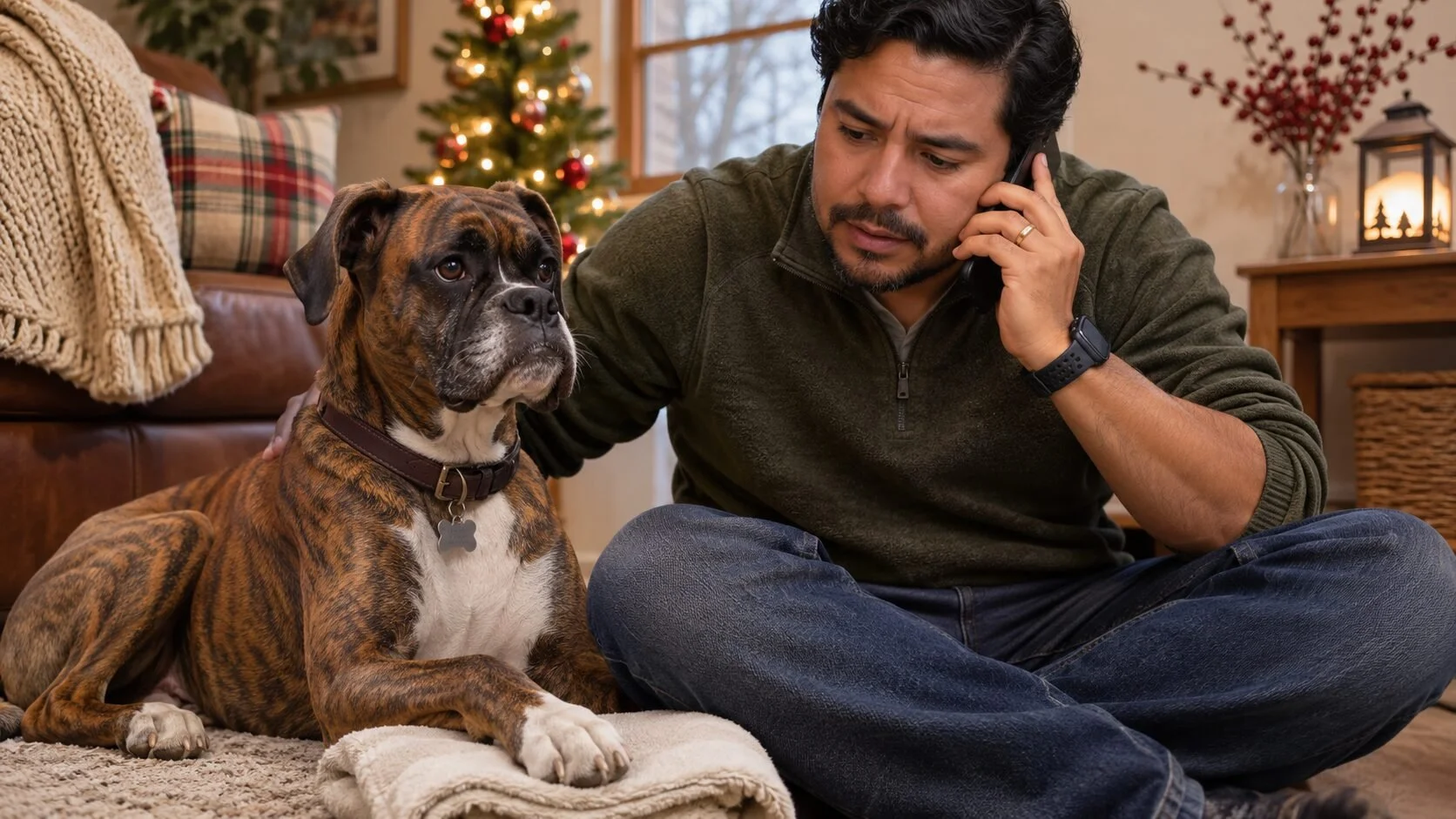
The first thing you notice might be a spot of blood on the rug or the way your dog lifts a foot after a walk. Maybe you saw a nail snag, or your dog pulled away during a trim. A loose piece of nail or a paw your dog suddenly won’t let you touch deserves attention, even if there’s not much blood. The first question is how quickly you need veterinary help, not whether you can tell how deep the damage goes.
A broken nail can happen alongside another paw or limb injury, and pain can make even a familiar dog act differently. You don’t have to sort that out on your own. If you’re unsure, call your veterinarian or an emergency clinic, describe what you saw and follow the instructions they give you for your dog.
First, decide whether help is urgent
Get emergency veterinary guidance right away if the bleeding is heavy, won’t stop with direct pressure when you can apply it safely, or follows a major injury. Call immediately if your dog is distressed or can’t put weight on the foot; there may be more going on than a nail injury. Don’t delay the call to take a picture or to get a better look.
Call promptly about a deep split, a dangling nail, visible sensitive tissue, marked pain or a dog who keeps guarding the paw. That’s true even after the bleeding slows or stops. If you notice swelling, redness, discharge or worsening discomfort later, call again. The fact that a nail stopped bleeding doesn’t tell you whether the damaged piece is stable or the tissue around it is okay.
Step back if your dog stiffens, snaps or won’t let you near the paw. Even a gentle dog can bite when hurt. It’s enough to tell the clinic that you can’t get a safe look. Let them advise you on transport and whether they want you to do anything before arriving.
For external bleeding, the American Veterinary Medical Association advises direct pressure with a clean cloth when the animal can be handled safely. Think of this as first aid while arranging care, not a way to decide that a split nail can stay home. Don’t use a tourniquet, wrap the paw tightly, cut or pull a hanging piece of nail, or try a household remedy on an open wound. Penn Vet cautions that a tight paw bandage can interfere with circulation. Ask the clinic whether anything should cover the paw on the way in.
What may have happened
A nail contains a hard outer structure and a sensitive inner area commonly called the quick. The quick includes blood vessels and nerves. That helps explain why a nail injury can look small yet hurt or bleed noticeably. It also explains why a trim that cuts too close can bleed. A close trim and a traumatic split are different events, however, and the advice for a routine grooming nick should not automatically be carried over to an exposed or torn nail.
Look for a change rather than trying to assign a diagnosis. You may notice blood on bedding, a dog licking one toe, a nail angled differently from its neighbors, or a new limp after play. Some dogs hide discomfort; others make it obvious. A small amount of blood on the floor does not tell you how much tissue is involved. A nail that appears intact from above may still have an injury on a surface you cannot safely see.
The dewclaw deserves a place in this check. Depending on the dog, it may sit higher on the leg and may not wear down the way nails that contact the ground can. Owners sometimes forget it during ordinary nail care. The American Kennel Club’s nail-care guidance recommends checking dewclaws and learning where the quick is. That is prevention advice for a calm, healthy paw. It is not a request to bend a painful toe or manipulate a torn nail to see its underside.
A limp is also broader than a nail. A dog may protect a foot because of a paw pad, toe, joint or limb problem. Cornell’s canine health guidance describes how a veterinary team uses the history and a systematic examination to decide what a limp means. The visible nail could be part of the problem, or only one clue. Avoid declaring that the nail is the sole injury before the dog is examined.
What to note before you call
Start the call with what you know. Say when you first noticed the injury and what your dog was doing just before, if you saw it. If you can tell safely, name the paw or toe. Let the clinic know whether you’re seeing fresh blood or only spots from earlier, whether your dog can stand on the foot, and what has changed since you first noticed it. If you’re uncertain about the toe, say which foot seems affected rather than trying to isolate it. The clinic can still advise you based on how your dog is moving and whether the bleeding is continuing.
Tell the clinic about other changes you can observe, such as persistent licking, guarding, reluctance to walk or a new swelling. Mention relevant medical conditions and medicines if you know them. Cornell’s guidance says recent activity, onset and trend help a veterinarian evaluate lameness. The point is to offer a timeline the clinic can use, not to perform tests on a sore toe yourself.
If your dog is calm and it won’t delay care, a photo or short video may help the clinic see what you’re describing. A video of the way your dog naturally walks can show a change that’s harder to spot in the exam room. Don’t make the dog keep walking for the camera or pry the paw open. If you couldn’t safely see part of the injury, say so. That’s useful information, too.
When you call, ask what level of care is needed and how soon. Describe bleeding in plain terms rather than guessing at a measured amount. Say if pressure was attempted and whether it was safe. If the clinic suggests an examination, ask about arrival instructions and how to keep the dog comfortable during transport. If you cannot reach your regular veterinarian and signs are worsening, use an emergency service.
What a veterinary visit may involve
The clinician will want to know the sequence of events and examine the dog. They may look at the nail and surrounding paw, assess pain and gait, and check for another injury. Cornell notes that imaging can be useful when examination findings warrant it. That does not mean every broken nail needs an X-ray. It means the care plan follows the findings rather than a universal internet checklist.
What happens next depends on what the team finds. They may need to deal with damaged nail material, pain, contamination or an injury elsewhere on the foot. Oregon State’s veterinary teaching material warns against taking off damaged nail material yourself. A piece can look loose and still be attached to sensitive tissue. Pulling it can cause more pain or bleeding, so let the veterinary team decide what needs to be removed.
Do not assume that sedation, antibiotics, imaging or a dressing is automatically required. Do not assume that a dog who walks out of the clinic needs no follow-up. Ask what the team found, what it did, and which changes should prompt another call. If a medication or dressing is prescribed, use the clinic’s exact instructions for that dog. A generic article cannot replace the aftercare plan on the discharge sheet.
The return to normal activity may also be individual. Ask when walks, play, bathing and nail care can resume. Ask whether the clinic wants a recheck and what to do if the dog licks the area. Avoid treating a single regrowth estimate online as a guarantee. The location and severity of damage, the dog’s behavior and the veterinarian’s findings all affect what happens next. Write the instructions down or request a copy so the household follows one plan. Ask for separate instructions if normal walks and ordinary nail care can resume at different points. If someone else normally walks the dog, make sure they know what the clinic asked you to watch for and when you are meant to call.
Why a home fix can be tempting
A torn nail and a small grooming nick can both bleed. That doesn’t make them the same injury. Something that stopped the bleeding during a previous trim can’t tell you whether the damage this time is superficial. If the nail is split, dangling or hard to see, or you aren’t sure how it happened, ask the clinic what to do rather than repeating a fix that worked before.
A dog may also seem better after resting. That is encouraging but does not answer whether tissue remains exposed or a fragment is unstable. Watch the trend and tell the clinic about improvement as well as setbacks. A veterinary team can decide whether a stable, minor problem can wait for an appointment or whether it should be seen sooner. The owner’s job is to provide observations and protect the dog from avoidable handling.
Don’t reach for a human pain reliever while you wait. Human medicines can be dangerous to dogs, and the right pain relief depends on the dog and the injury. Ask the veterinary team what’s safe. If you’ve already given a medicine or put anything on the paw, tell them exactly what it was and when you used it.
A household with children or multiple pets may need a quiet way to manage the moment. Keep children from handling a painful paw, and give the injured dog space from excited playmates while you arrange care. Avoid chasing or restraining a fearful dog just to see the nail. If transport is difficult, explain that on the phone. The clinic may have a safer plan than a hurried attempt at home.
After the urgent moment
Once a veterinarian has given an individualized care plan, recovery becomes a matter of following it and noticing changes. Know which signs the clinic wants you to report. If the dog becomes more painful, stops using the foot, or develops new swelling or discharge, call again. An earlier reassuring exam is valuable information, but it does not turn a new symptom into something to ignore.
Keep the follow-up record simple: date of the injury, what the clinic found, medicines or restrictions prescribed, and any recheck date. Share it with anyone who walks or cares for the dog. That is especially useful when one person saw the injury and another attends the appointment. A clear handoff avoids contradictory activity or medication choices. Do not add remedies from friends without clearing them with the treating team. If the discharge sheet and your memory of the visit don’t match, ask the clinic to clarify instead of choosing what sounds right. Let the team know which instructions are hard to follow at home so it can advise you based on your situation.
Some owners notice repeated nail trouble, persistent paw licking or problems on more than one foot. That is different from a single snag on a walk. Bring the pattern to the veterinarian rather than assuming each episode is a separate accident. This article focuses on a sudden possible nail injury; broader paw licking can have other causes and deserves its own assessment. The useful detail is frequency and change over time.
Preventing avoidable snags
Routine nail care can reduce the chance that an overlong nail catches on something, though no routine prevents every accident. Ask your veterinary team or a qualified groomer how to judge length for your dog and how to handle dewclaws. There is no one trim interval that fits every dog. Activity, nail growth and tolerance vary. A demonstration is better than guessing at the quick from a picture.
Practice when the dog is well, not when a paw is sore. Start with brief, calm handling that the dog can tolerate, and reward cooperation. If the dog pulls away or becomes distressed, pause and seek help with the plan. The goal is a dog who can participate in ordinary care with less fear. Holding a painful dog down to complete a trim is a different situation and can make both injury and fear worse.
You can check nails during normal grooming without turning every walk into an inspection. Look for length, an awkward angle, or a dewclaw that seems to be curling. Ask for professional help if you cannot trim safely or if a nail appears abnormal. Floors, rugs and rough ground create ordinary opportunities for a snag; reasonable care lowers some risk but cannot remove it. Avoid blaming yourself for an accident that still happened with attentive care.
If your dog has a history of nail injury, ask whether its activity or grooming routine needs adjustment. A veterinarian can decide whether repeated breaks warrant a closer look at the nail, paw or overall health. Do not simply shorten every nail aggressively in response. Cutting into the quick creates its own pain and bleeding. Gradual, informed maintenance is the more useful aim.
Three situations, one decision framework
Say your dog yelps on a walk and then won’t put the foot down. You see a nail pointing at an odd angle, but you don’t know whether the toe is hurt, too. Get veterinary guidance immediately. Tell the clinic what happened and that your dog can’t bear weight. Don’t try to straighten the nail.
Now consider a calm dog whose nail bled after a close trim. The blood stops, the dog walks normally and no split is visible. That may be a different conversation from a torn nail after a snag, but the distinction is not a license to ignore pain, recurrent bleeding or an uncertain view. Explain the circumstances to your clinic, particularly if you are unsure where the cut occurred. Tell the clinic about your dog’s health conditions and medicines.
Finally, imagine finding blood on a blanket in the morning and seeing the dog lick one paw. You did not witness the event. You can note which paw seems involved and whether the dog walks comfortably, but you should not invent a cause. Call with the observations and ask what the clinic wants you to do next. A photograph can help if safely available; it is not a requirement.
In each case, the most helpful thing you can give the veterinary team is a clear account: when you noticed the injury, whether the dog can use the foot, what the bleeding is doing and what you couldn’t safely check. Follow the advice for this injury, and wait until your dog is ready before returning to normal nail care. If you need to call again, describe the new change and when it started. The clinic’s advice may change as it learns more about how your dog is doing.
A final practical point is to keep the decision anchored to the present dog. A previous injury in another pet, or even an earlier injury in this dog, does not establish the depth of a new split. The amount of blood, the dog's willingness to walk and the appearance of the nail can change over hours. Tell the clinic what changed since the first call. If you receive instructions by phone and then the dog worsens, call again rather than treating the original advice as fixed. Clear communication is part of care, especially when the visible problem seems minor but the dog is acting otherwise.
Sources
- American Veterinary Medical Association, Pet First Aid 2025
- Penn Vet, Pet First Aid Training
- Tufts Cummings, Pet First Aid
- Oregon State Carlson College of Veterinary Medicine, trail injury teaching deck
- Cornell Riney Canine Health Center, limping dog examination
- American Kennel Club, nail care
- Sandra C. Mitchell, DVM, PetMD, First Aid for Broken Nails on Dogs
More stories
 Daily Doggy NewsPreparing Your Dog for a Holiday Boarding Stay
 Daily Doggy NewsThanksgiving Visitors and Dogs: A Practical Safety Plan
 Daily Doggy NewsThanksgiving Road Trips With Your Dog
 Canine JournalKennel Cough: What Dog Owners Should Know
 Tyson’s LifeThe Boss Has Four Legs
 It MattersShould Ear Cropping Still Be Legal?