A holiday boarding stay starts with a plan for your dog’s health, routine and comfort. Ask the facility specific questions before booking or packing.

Holiday boarding involves much more than just packing a bag. The most important question is whether a specific facility can truly meet your dog's needs during the time you are away.
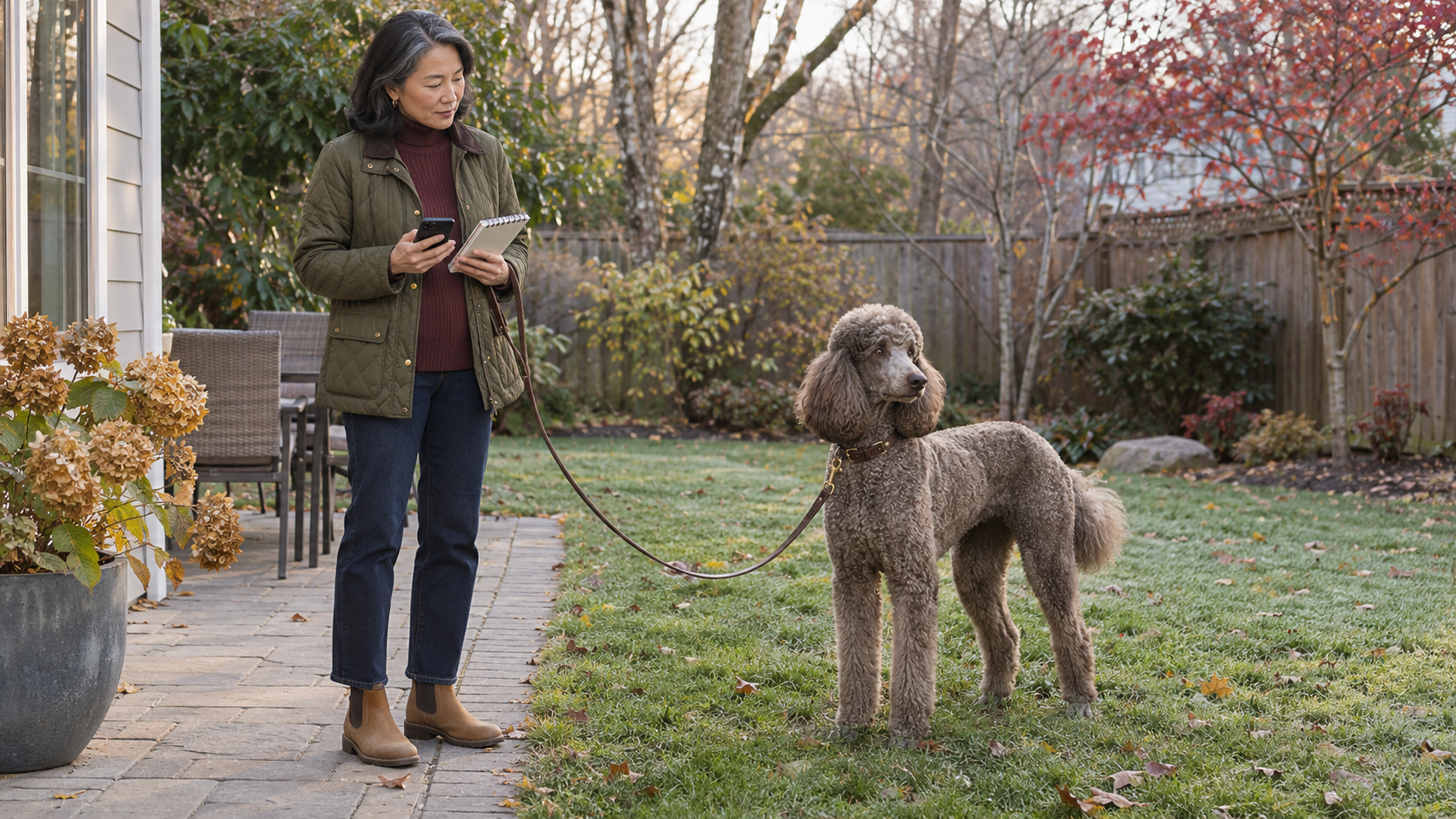
A polished facility tour, an active social media presence, or a long list of amenities cannot answer that question on its own. Before you book a stay, write out a clear plan covering your dog's routine, health needs, handling requirements, and emergency contacts. Then, ask the facility precise questions about what they can actually provide in practice.
Start with your dog's fit
Some dogs settle easily into a new environment. Others find separation, unfamiliar handling, group activities, or a disrupted sleep schedule quite difficult. A boarding stay is simply one care option among many, and it is not the right choice for every dog.
Be completely honest about your dog's health and behavior history. Let the provider know about separation distress, escape attempts, handling sensitivities, resource guarding, bite history, mobility limits, sensory changes, and any known triggers. The goal is never to label a dog as difficult; rather, it is to give the provider enough information to decide whether they can offer safe and appropriate care.
If a short visit or trial stay is available and seems suitable for your dog, arrange it early enough that you can easily choose a different option if it does not go well. Ask the staff what they noticed regarding how your dog settled, ate, rested, used the bathroom, and interacted with others. A good trial can provide valuable insights, but it does not guarantee that a longer, busier holiday stay will feel the same.
Recent illness, a major behavior change, significant anxiety, or a complex treatment plan calls for a conversation with your veterinarian before you commit to anything. Depending on your dog's specific needs, a qualified in-home caregiver, an individual boarding arrangement, or veterinary boarding might be a better fit. No single model is ideal for every dog.
Confirm health requirements early
Ask what records, vaccines, parasite control measures, and lead times the facility requires. Then, talk with your veterinarian to see how those requirements fit your dog's age, health history, personal risk level, and any prior reactions to vaccines.
A facility's entry policy is not a universal medical schedule. The American Animal Hospital Association recommends individual risk assessments for vaccination decisions, and respiratory disease protection is never a guarantee that a dog will remain illness-free during a stay. Avoid waiting until the week of your trip to sort out any conflicts between a facility's policy and your veterinarian's professional advice.
Be sure to ask what happens if your dog develops symptoms before arrival, or if another dog falls ill while staying there. You need a clear answer before you leave town, not after a reservation becomes difficult to change.
Ask how care works on the actual dates
The phrase "twenty-four-hour care" can mean different things to different people. Ask who is physically present in the building overnight, who is on call, and how holiday staffing is handled. Find out what procedures are in place during an evacuation or power outage. Discover who is responsible for noticing and recording changes in eating, drinking, bathroom habits, or behavior.
Take a close look at where your dog will sleep, rest, use the bathroom, and exercise. If group play is offered, ask how groups are chosen, supervised, and kept separate. Inquire whether individual care options are available for a dog who does not enjoy group settings. Remember, a dog does not need to play with other dogs to have a safe and acceptable stay.
Handling matters just as much. The American Veterinary Society of Animal Behavior recommends using reward-based training methods. Ask how staff respond if a dog becomes frightened, refuses to move, or needs distance from another dog. Professional credentials or a veterinary-associated address alone do not tell you who will be with your dog overnight or whether the facility can manage a specific need. Always ask for the practical details.
Write down the routine and medication plan
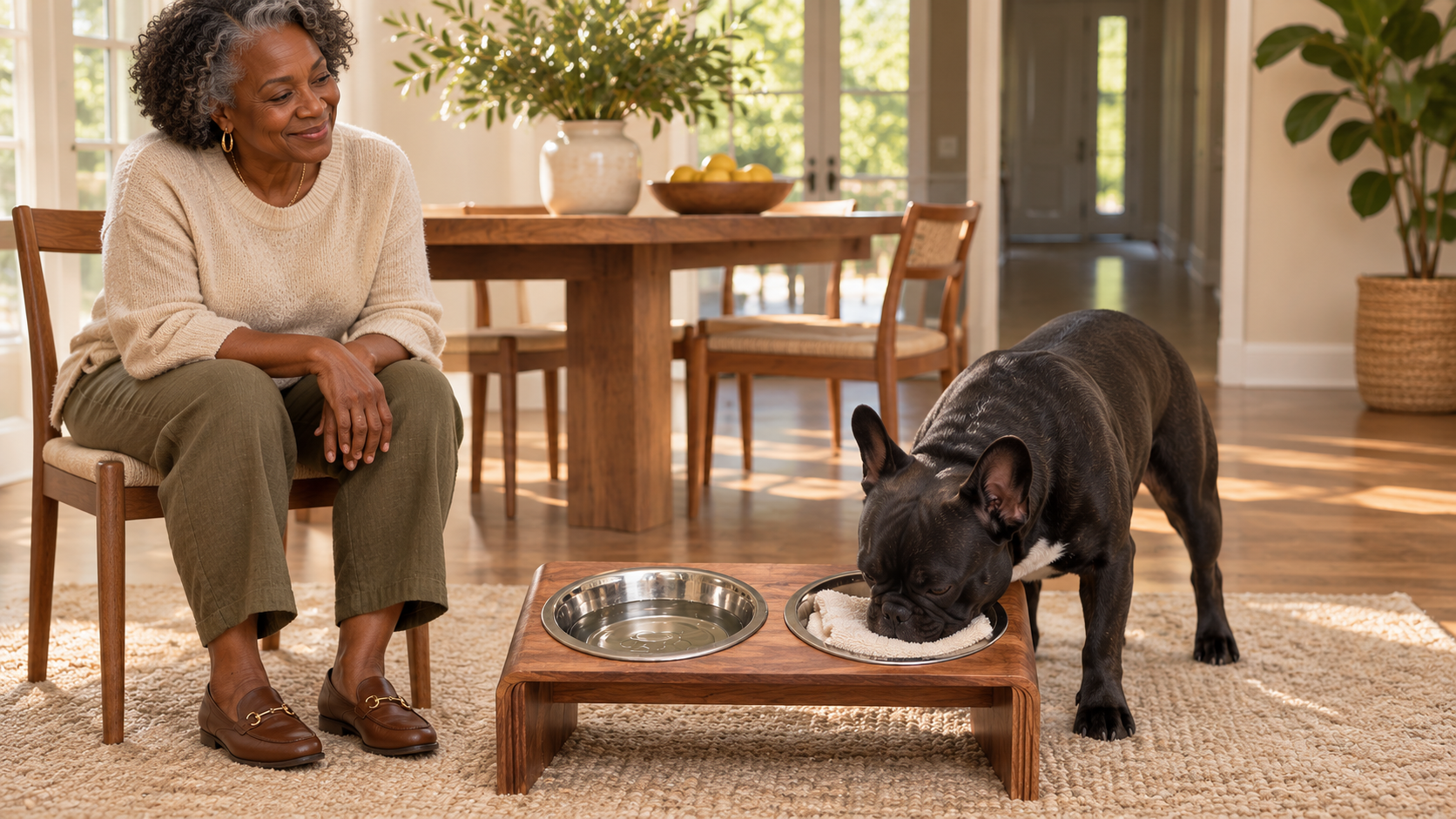
Bring your dog's usual food in pre-measured portions, along with written feeding schedules, approved treats, known allergies, and any foods they must avoid. Ask about food storage, what happens if your travel is delayed, and whether familiar bedding or toys are permitted. Familiar items are only helpful if the facility can use them safely with your dog.
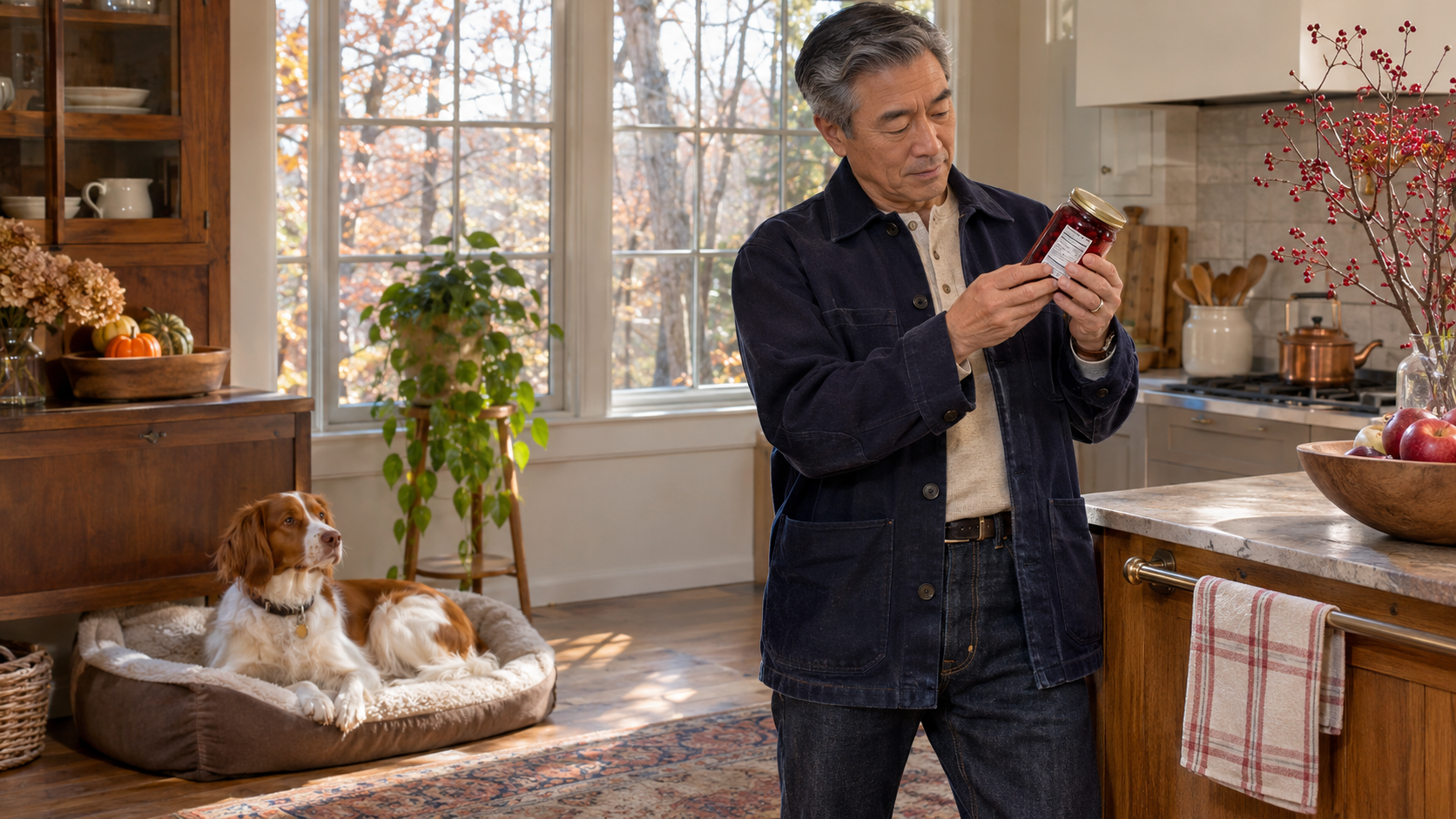
Medication requires more than just a verbal instruction. Provide medicine in its original, labeled container, write out the prescribed directions, and note the time of the last dose given. Ask who administers the medication, how each dose is logged, whether proper storage and timing can be met, and whether the staff member has the skills needed for that specific route of administration.
If your dog requires injections, monitoring, or other complex care, get specific confirmation that the facility can handle what your dog needs. Ask your veterinarian for a written plan covering a refused dose, vomiting after a dose, or a missed dose. Staff should not guess, double a dose, or substitute a new treatment.
Agree on the emergency plan
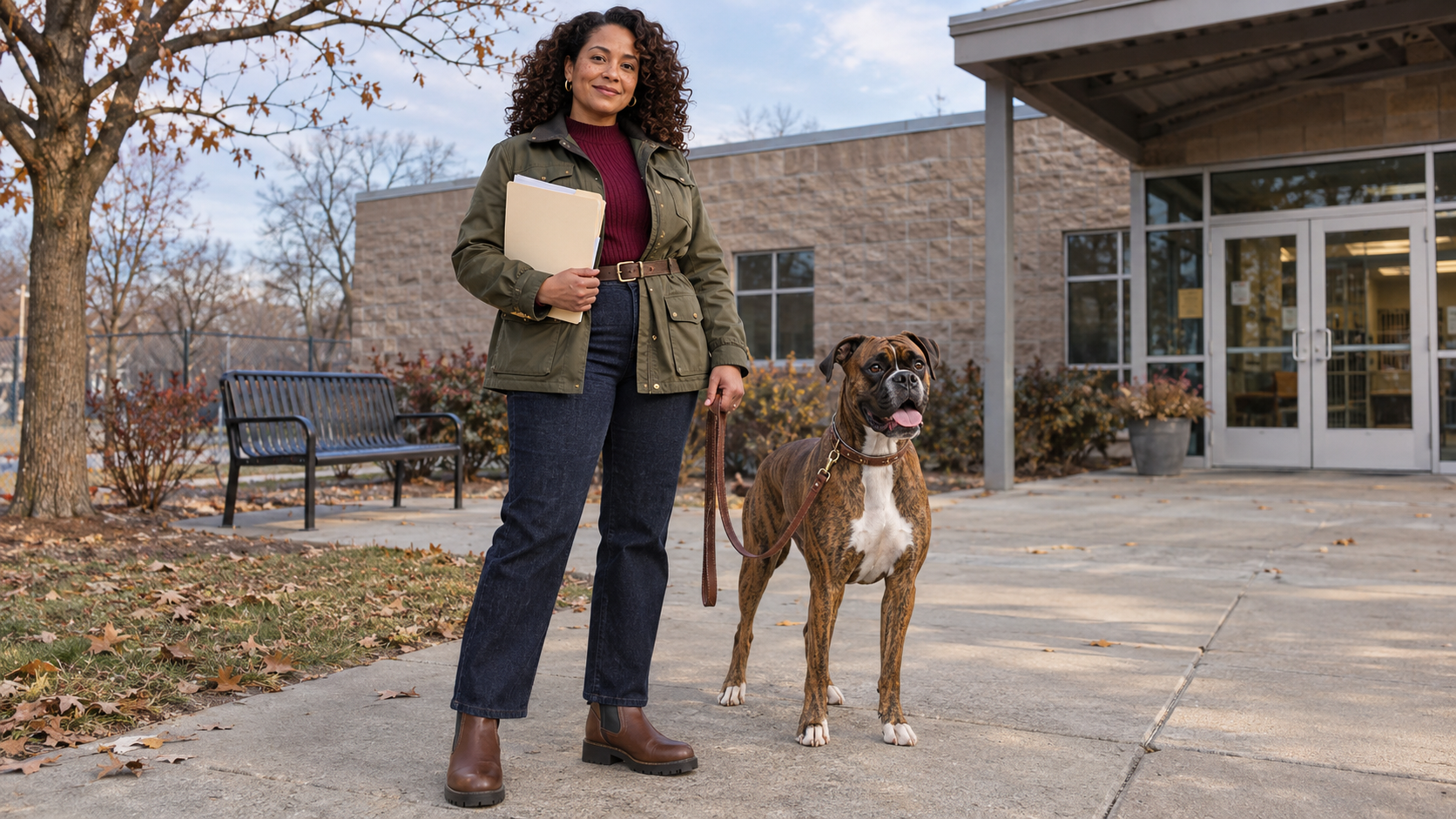
Leave your contact information, the name of a backup decision-maker, your regular veterinarian's details, an after-hours veterinary hospital, and relevant medical history. Confirm how the facility will reach you, how they transport a dog for medical care, and how emergency decisions and payment arrangements will be managed.
This is simply planning, not a universal consent form. Rules and hospital requirements can vary widely. What matters most is that everyone involved knows who has the authority to approve care if you cannot be reached.
If your dog experiences a medication error, suspected poisoning, persistent distress, or a concerning health change, boarding staff should seek veterinary guidance promptly. Updating the owner is important, but it is never a substitute for professional clinical advice.
Choose clarity over convenience
Before you book, make sure the provider's answers align with your dog's actual needs. If any question about medication, supervision, humane handling, or accommodation remains unclear, pause and resolve it. Changing your plans before a holiday trip can certainly be inconvenient, but leaving a dog in a place that cannot meet an essential need is much harder on everyone involved.
Sources
- American Animal Hospital Association, “2022 Canine Vaccination Guidelines”
- UC Davis School of Veterinary Medicine, “Choosing a Boarding Facility for Your Dog”
- International Boarding & Pet Services Association, “For Pet Parents”
- VCA Animal Hospitals, “Questions to Ask a Boarding Facility Before Booking Your Pet’s Stay”
- VCA Animal Hospitals, “Boarding Your Dog”
- American Veterinary Society of Animal Behavior, Position Statements
- FDA, “Who Do You Call if You Have a Pet Emergency?”