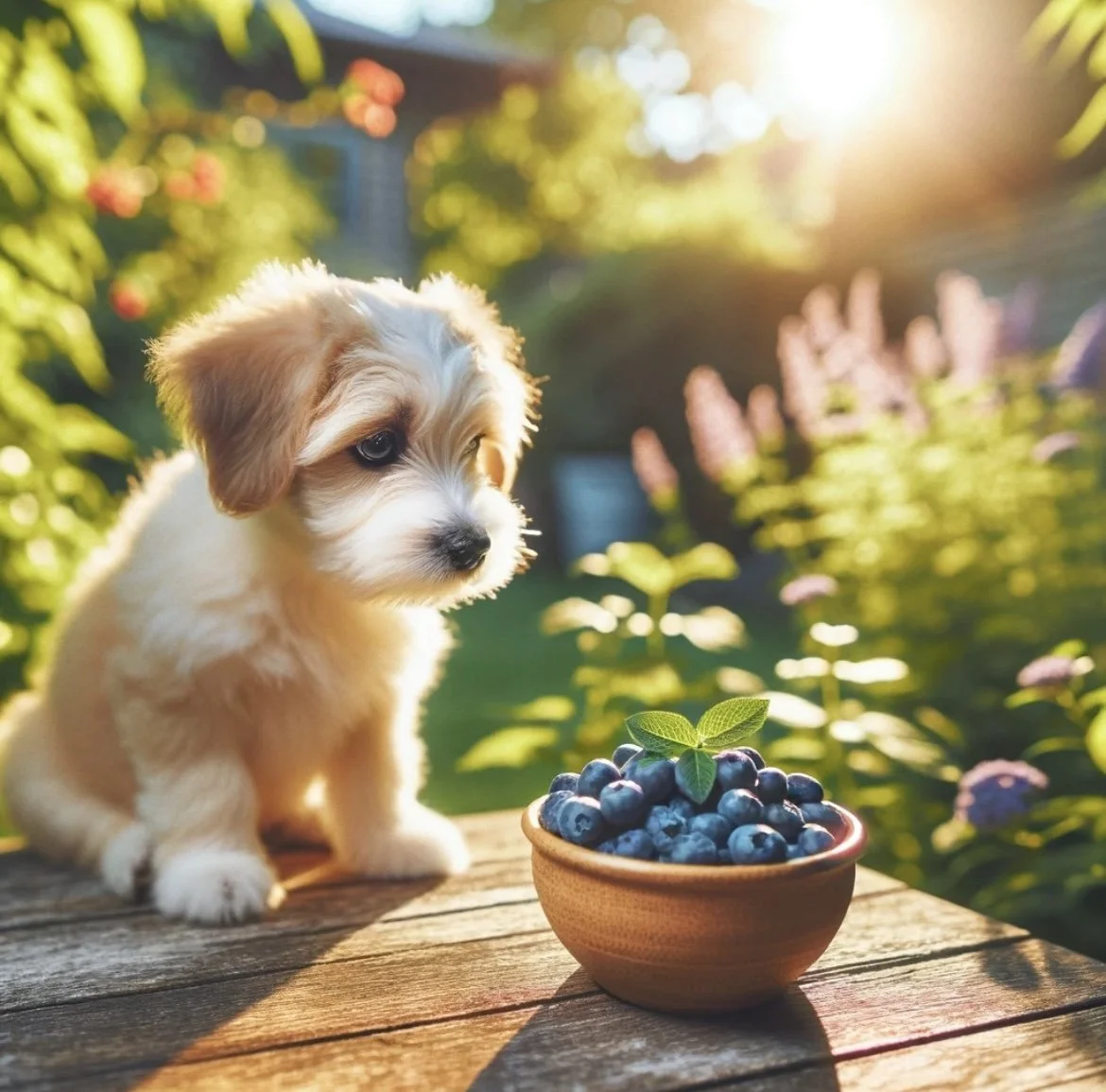
Unknown wild mushrooms can be dangerous for dogs. Learn when to call for help and why plain grocery mushrooms are different.

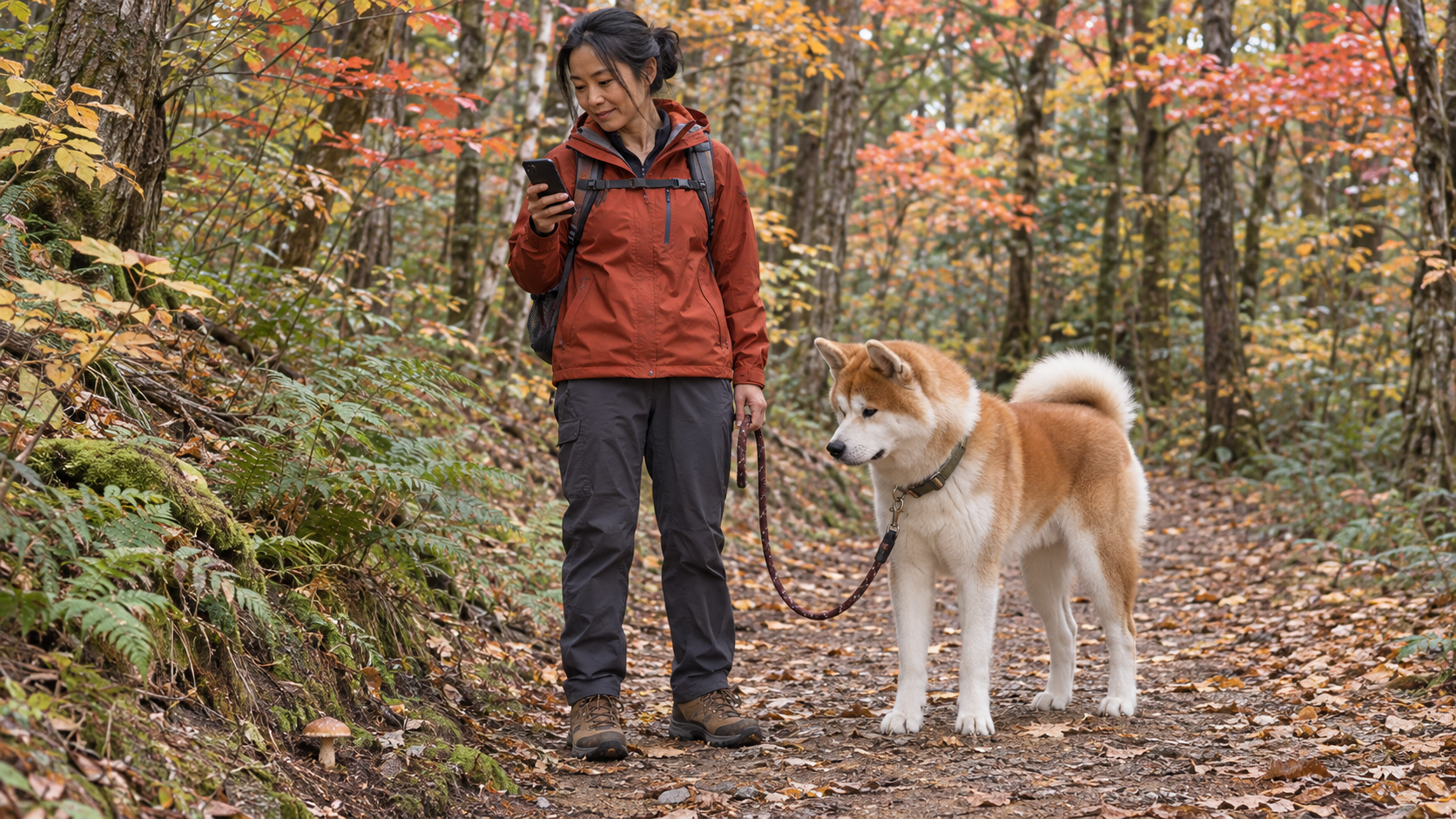
Where the mushroom came from matters. A known edible mushroom bought at the grocery store is generally not inherently poisonous to dogs. An unknown mushroom found in the yard or on a walk needs a very different response: if you suspect your dog ate it, call your veterinarian or an animal poison service immediately.
Do not wait for your dog to look ill or try to identify the mushroom first. Even a dog who seems normal after eating an unknown mushroom needs prompt professional guidance.
Call first after an unknown mushroom
Treat suspected ingestion of a wild or unknown mushroom as potentially toxic. Many wild mushrooms are not poisonous, but you cannot safely rule out a dangerous one by its appearance. Color, cap shape, gills and smell are not reliable shortcuts for deciding whether your dog is safe.
Prevent your dog from reaching more mushrooms, then call your veterinarian, ASPCA Poison Control at 888-426-4435 or Pet Poison Helpline at 855-764-7661. Fees may apply. Give the professional the time and location of the possible exposure and describe what happened.
The clinic may ask for a photograph or a safely obtained sample. Ask how to handle a sample, and do not delay the call to collect one. An identification app or a social-media group should not take the place of that conversation. The immediate task is to get advice for your dog, rather than to settle the mushroom's identity yourself.
Why a normal appearance is not reassurance
Mushroom poisoning can affect digestion, behavior and coordination. Some toxins can also harm the liver or kidneys. Vomiting, diarrhea, tremors, seizures, weakness or breathing difficulty after a possible exposure need urgent veterinary care.
Some effects can be delayed. A dog who looks comfortable shortly after finding a mushroom has not necessarily escaped harm, and a symptom-free period is not a reason to put off the call. You do not need to wait for any of the listed signs before seeking help after a suspected unknown-mushroom ingestion.
Do not give a home antidote or induce vomiting on your own. The veterinary professional needs to consider the likely exposure and your dog's condition before deciding what treatment is appropriate. Follow that advice rather than trying to treat a possible poisoning from information found online.
Known grocery mushrooms are optional
A plain, known edible grocery mushroom may be suitable as an occasional extra for some dogs. That does not make mushrooms a necessary part of a balanced diet or a health supplement you need to add. If your dog already has an appropriate diet, there is no need to find a place for mushrooms in it.
Veterinary guidance is cautious here. UC Davis advises against intentionally feeding mushrooms, while also distinguishing grocery-food exposure from the greater concern of an unknown mushroom outdoors. A known plain grocery mushroom is generally less concerning, but the individual dog and the rest of the dish still matter.
If your family chooses to offer one, use a known edible store product, wash it and keep it plain. This guidance does not apply to a mushroom collected outside, even if it looks like one you recognize from the supermarket. A previous harmless encounter does not establish that the next mushroom is safe.
Check the dish before sharing
A mushroom in a buttery pan, seasoned sauce, stuffing or restaurant dish comes with other ingredients. Onion and garlic can harm dogs. Butter, salt and other additions also change the food you are considering, so the reassurance about a plain grocery mushroom cannot be applied to the whole recipe.
Skip seasoned leftovers rather than treating the mushroom as separate from the dish. If you cannot tell what went into the food, it is not a useful choice for an optional treat. Your dog can stay with their usual food instead.
There is no reliable universal mushroom count for dogs. A dog on a therapeutic diet or with digestive sensitivity may need a different plan from a dog without those concerns. Whether to offer a mushroom at all should come before the question of how many. Keep any choice tied to the particular dog's diet, rather than a serving rule that promises to fit every dog.
Keep checking the yard in November
Warm, wet conditions can encourage mushrooms, including year-round in mild climates. A November date does not mean the yard is clear. Walk through it regularly, especially after wet weather, and remove mushrooms before your dog can reach them.
Do that check with your dog away from the area. A cleared yard can grow more mushrooms, so one inspection does not settle the issue for the season. Removing them reduces access without requiring you to decide which ones might be poisonous.
Supervise outdoor time where foraging is possible. For a dog who regularly searches the ground for food, use a leash or stay close enough to interrupt the behavior in areas where mushrooms appear. These precautions cannot prevent every exposure, but they can help you notice what your dog is investigating and respond if you suspect they ate something.
Make the household rule easy to follow
Children and visitors should not offer the dog anything found outdoors. Having adults handle the dog's treats can reduce accidental feeding and make it easier to work out what was eaten if a concern arises. Keep the same distinction in mind when someone asks whether a mushroom is safe: a known plain grocery ingredient and an unidentified outdoor mushroom call for different decisions.
You can skip grocery mushrooms entirely without depriving your dog of a necessary food. If an unknown mushroom may already have been eaten, prevent further access and call for professional help right away.
Sources
About the author
Stephen Gill
Stephen Gill is the founder of Inspired by Tyson and writes Daily Doggy News from real life with Tyson. His work covers dog ownership, behavior, safety, canine health, working dogs and the relationship between dogs and their people.
Read Stephen Gill’s full author profileRead More
Scroll or use the arrows to explore more stories.