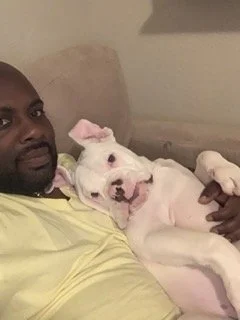
A growl alone cannot tell you how a dog feels. Pause, give the dog space, and read the whole situation before responding.
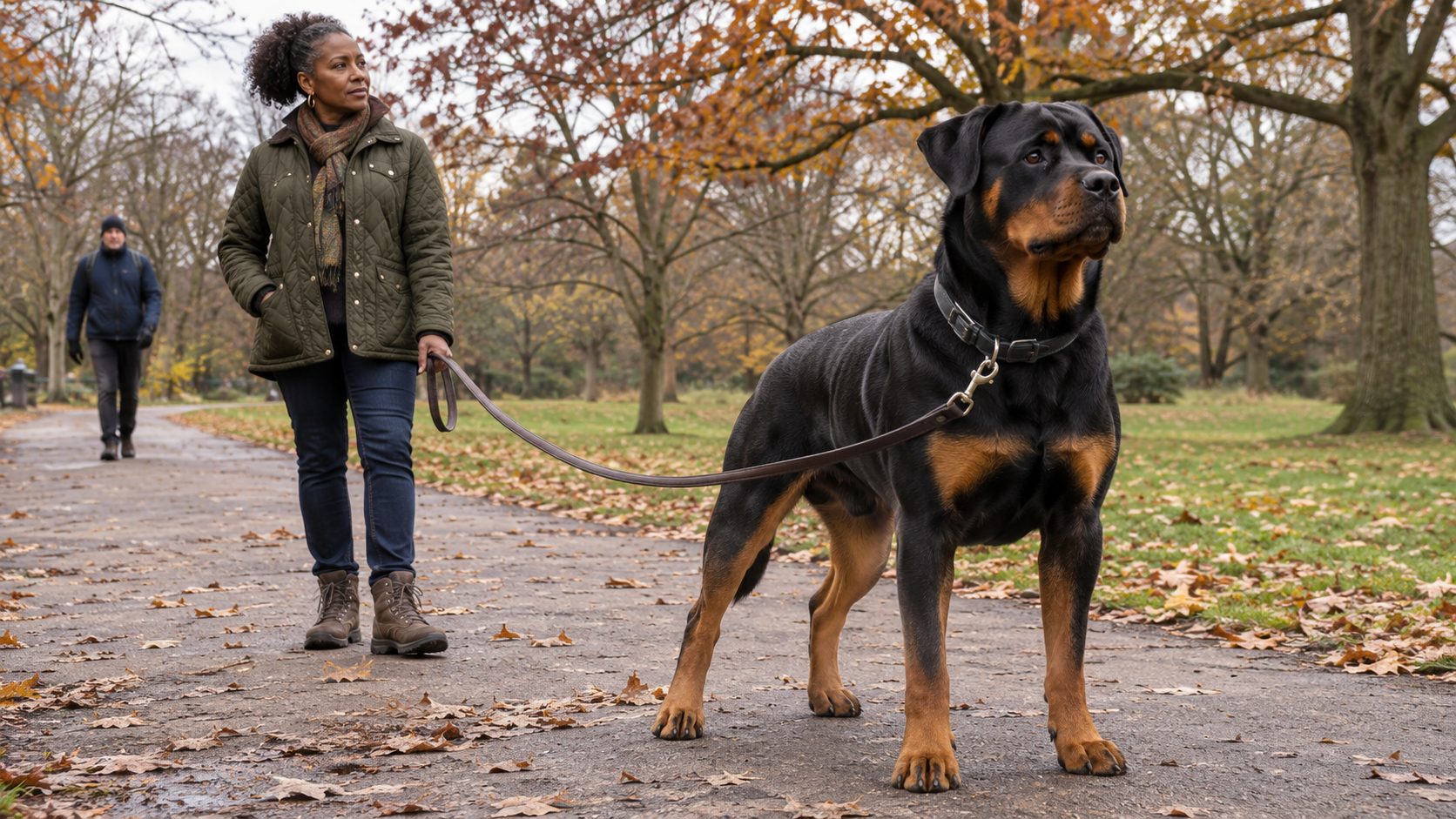
When a dog growls, pause and give them room. A growl may come during play, when a dog wants space, or when something hurts. Listening matters, but sound alone cannot tell you how that particular dog feels or whether it is safe to keep interacting. Look at the dog's body and what is happening around them. You do not need to settle on a label before deciding to stop and allow some space.
A November 4 Instagram reel from the verified Cali K9 account raised the question again. Its caption says, “No dog should ever growl at their owner and that warning is your dog testing whether you are really in charge”. That is the verified caption, not a verified transcript of what was said aloud in the video. We cannot tell from the clip what the individual Rottweiler was feeling. Nor can we treat visible comments as a measure of what all dog owners believe.
A claim in a caption is not a safety rule
Treating every growl as a challenge to an owner's authority gives the same explanation to several different behaviors. Veterinary behaviorist Lore Haug has described threatening growls, play-associated growls and learned attention-seeking growls. Penn Vet's dog body language guide also distinguishes play vocalization from a growl paired with a stiff, defensive posture. Those distinctions help explain why the situation matters. They still do not let someone diagnose an unfamiliar dog from an edited video or a single sound.
Some Rottweiler owners call a low, contented-sounding vocalization a “Rottie rumble.” It is a popular description, not a scientifically validated breed-specific safety test. Owners may find that familiar phrase useful when describing their own dog's habits. It should not be used to assure a visitor that a growling dog must be happy or to dismiss an owner's concern when behavior has changed.
Read the body and the moment
Look at how the dog is moving, their expression, any tension in their body, and whether they can move away. Loose, easy movement and a soft expression can fit a comfortable interaction; sudden stillness, stiffness, avoidance or a hard stare give you reason to stop. None of those cues is a standalone guarantee. A dog may change its response as the interaction changes, and a short clip may leave out what happened immediately before or after the growl.
A wagging tail is especially easy to misread. Penn Vet warns that wagging signals an intention to interact, not a reliable prediction that the next interaction will be friendly. Leaning forward, approaching a person or rolling over also needs to be understood in the surrounding situation. None can simply be marked “happy” on a checklist. Petting and play are not automatically safe just because they are familiar activities. A toy can be involved in ordinary play or in guarding; touch that was welcome earlier may not be welcome now.
When you are unsure, stop what you are doing and give the dog space. Do not reach into the dog's resting place, take a toy or food item, or repeat the action that prompted the growl to see whether it happens again. If children are nearby, adults should manage distance and separate them from the uncertain interaction. Keep that responsibility with the adults rather than asking a child to work out what the sound means.
Do not punish a warning
A growl can communicate discomfort. Punishing the noise can suppress a warning without resolving the fear, pain or conflict underneath. This is a risk to take seriously, although it does not mean that one punishment will inevitably lead to a bite. The American Veterinary Society of Animal Behavior's current position recommends reward-based methods for training and behavior problems and rejects aversive methods. A behavior plan should address what is driving the response and make the situation safer.
The account's own material also contains a different explanation. A Cali K9 article from April describes how punishment can suppress growling without solving fear. The November reel's caption frames growling differently. The reason for that difference is not known. The earlier article is not evidence of a retraction, and the newer caption does not override independent veterinary guidance.
When a new growl needs a health check
If a dog who normally accepts touch suddenly growls when handled, pain or illness is one possibility. Cornell lists uncharacteristic growling and changed reactions to touch among signs that can warrant a veterinary assessment. The sound cannot diagnose pain. Tell your veterinarian when the change began, what was happening at the time, and whether you have noticed anything else. That information can help the clinician look for a medical cause.
A dog may also be frightened, guarding something, overwhelmed or asking an interaction to stop. The right response depends on the dog and context. If growling is new, escalating or worrying, start with your veterinarian and ask whether a qualified behavior professional should help. Choose a professional whose methods match current reward-based guidance. A plan for your household can combine safer management with teaching. It should not involve provoking your dog to see whether a theory is right.
A calmer record for the professional
If the behavior repeats, write down where it occurred, who was present, what the dog was doing just before it, and what changed when people gave space. Note whether eating, rest, handling, play or an unfamiliar person was involved, without recreating the scene to collect evidence. A clear account of what happened gives the professional more to work with than calling the dog “dominant” or “happy.” If your dog can be observed without approaching or upsetting them, a brief recording may help your veterinarian, but do not put anyone in danger or provoke a reaction to get one.
What the video cannot establish
An edited clip does not tell us the dog's internal state, pain status or future bite risk. The trainer's exact spoken words and the identity of everyone in the frame were not independently verified for this story. The footage rights are also unconfirmed, so this article does not embed or reuse the video. The caption is enough to discuss the general claim, with careful attribution.
The practical lesson is to take a growl seriously and pay attention to the information around it. Pause, create space and observe the entire interaction. A familiar “rumble” label does not make the sound automatically safe, and an authority theory does not make it automatically defiant. When the pattern is unfamiliar or concerning, let a veterinarian and a qualified behavior professional assess the dog in context.
Sources and further reading
- Original Cali K9 Instagram reel, November 4, 2026 — caption verified, not audio transcript
- Penn Vet, Dog Body Language Basics
- American Veterinary Society of Animal Behavior, Position Statements
- Cornell University College of Veterinary Medicine, Recognizing pain in dogs
- Cali K9, How to Train an Aggressive Dog, April 2026
- Lore Haug, Growling in Dogs, Clinician's Brief
More stories
Canine JournalHow Training Can Reshape Your Dog’s Brain
 Daily Doggy NewsWhy Owners Resist Behavior-Based Walking Advice
 Daily Doggy NewsThanksgiving Visitors and Dogs: A Safety Plan
 Canine JournalDog Diarrhea: When to Call Your Vet
 It MattersWill the New Congress Save Animal Shelters?
 Tyson’s LifeTeach Your Dog to Wipe After Meals