Oklahoma City announced a pause in dog adoptions and routine intake on Nov. 19. Check the city’s latest notice before visiting the shelter.
Oklahoma City Animal Welfare announced a pause in dog adoptions and routine dog intakes on November 19 after dogs at the shelter tested positive for canine distemper. The pause was expected to last at least two weeks. In that announcement, the city said five dogs had tested positive and three had been euthanized because of symptoms. Those are the figures the city gave on November 19, not a running count. The city did not give a date for adoptions to restart.
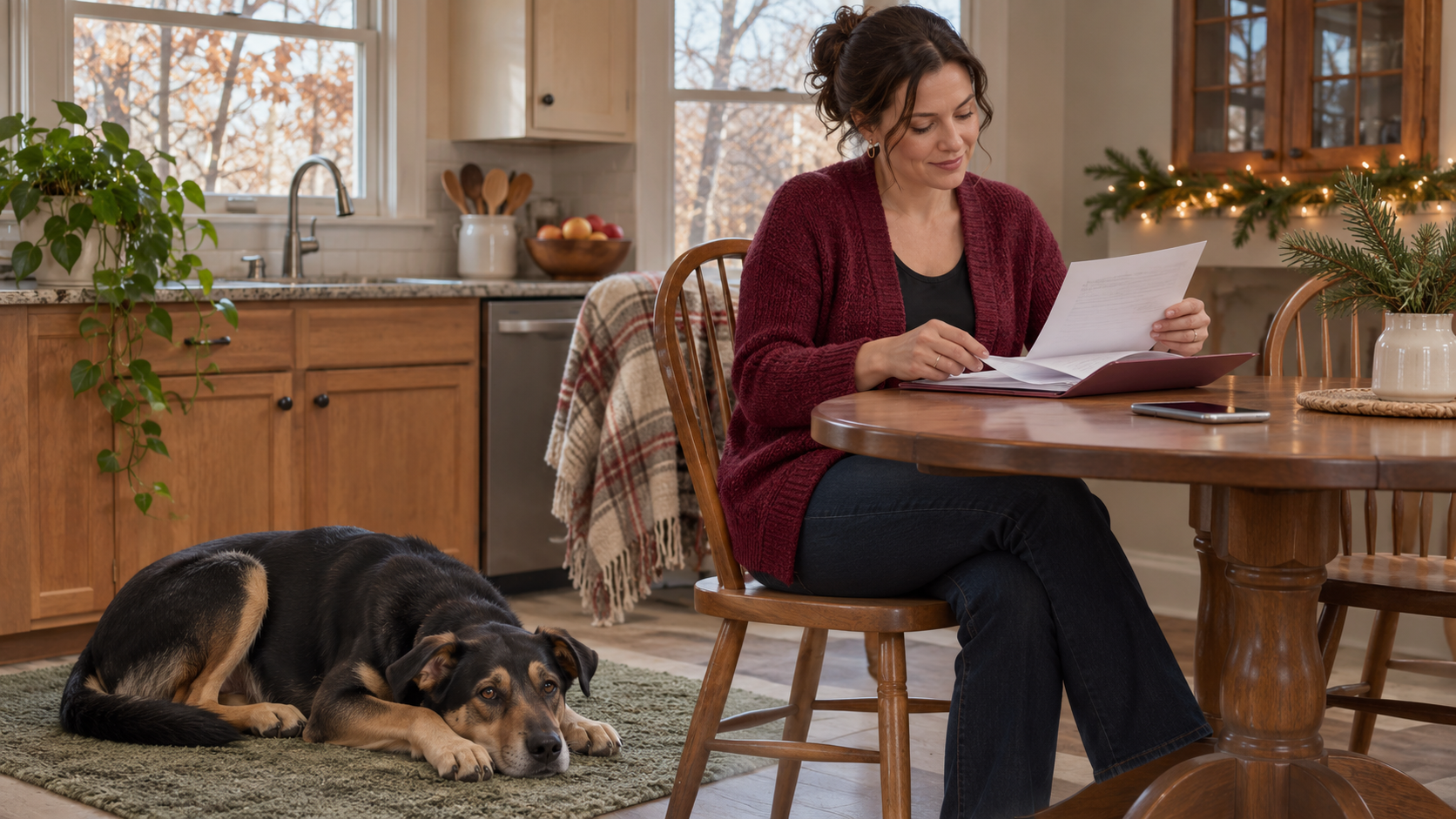
If you recently brought a dog home from the shelter, the city has a specific request. Watch for signs of illness if you adopted in the three weeks before the November 19 announcement. If signs develop, call a veterinarian immediately. Count those three weeks back from the date of the announcement, not from the day you read it.
What stays open during the pause
Dog adoptions and routine dog intake are the services affected by the pause. Cat and other animal adoptions continue, and people can still reclaim pets already at the shelter. The city said the shelter would still take in dogs that need emergency care or pose an immediate threat to the public. If you are looking for a lost pet, you can still use the city’s Animal Welfare website.
Inside the shelter, staff were separating dogs that had been exposed or were showing symptoms. The city also reported more testing and monitoring, tighter cleaning procedures, and limits on movement within the facility. The city said that dog intake and adoptions would resume when the virus was no longer present in the shelter population. Two weeks was the minimum, not an appointment to reopen. Before you head to the shelter, check the city’s current notice for the service you need.
What recent adopters should tell their vet
The city’s list includes cough or other respiratory illness, nasal discharge, fever, low energy, reduced appetite, diarrhea, and changes such as head tilt, circling, unusual eye movements or seizures. A dog may show some signs without showing all of them. The list is a reason to call, and the veterinarian can assess what is happening.
Start with the shelter name and adoption date when you call. Tell the clinic what you noticed, when it started, and whether it has changed. If you have the adoption and vaccination paperwork handy, keep it nearby, but do not put off the call to look for it. Ask the clinic how it wants you to arrive so it can plan for a potentially contagious patient. The announcement gives a shelter contact for adopters who need to reach Animal Welfare. For a question about symptoms or care, call your veterinarian.
If you are unsure whether you fall within the city’s recent-adopter window, look for the adoption date on your agreement or receipt. The date helps the clinic understand when the dog left the shelter. Call promptly if signs develop, even if the paperwork is missing.
Why distemper gets this response
Canine distemper is a contagious viral disease that can affect a dog’s respiratory, digestive and nervous systems. The American Veterinary Medical Association describes respiratory exposure and contact with infected animals or contaminated items as possible routes of spread. That matters in places where dogs share space and equipment. The shelter’s announcement explains how its testing, separation and movement restrictions fit together during the pause.
Not every dog shows the same signs. Some can have discharge from the eyes or nose, changes in appetite or energy, or digestive issues. Others can show changes in coordination or have seizures. A symptom list can tell you when to get help, but it cannot diagnose your dog. A veterinarian can look at the signs and history together and decide what testing and care make sense. The AVMA describes treatment as supportive care. Your vet can explain what that means for your dog.
What to check on the vaccine record
Distemper is a core canine vaccination in the American Animal Hospital Association guidelines. Your veterinarian can help you find the distemper entry in your dog’s record. It may appear as part of a combination vaccine. Ask the clinic to explain what dates are documented and what follow-up, if any, is appropriate for your dog. That is especially helpful if your dog is a puppy or came home with records you cannot interpret.
The city says the shelter administers a distemper vaccine when dogs arrive. Its release also explains that exposure can happen before vaccination or before immunity has developed. Whether a particular dog needs another dose depends on its history and a veterinarian’s assessment. Keep the shelter paperwork with the rest of the dog’s medical record and share it with your regular vet when you establish care.
What to do today
If you adopted from Oklahoma City Animal Welfare in the window named by the city and your dog develops signs on its list, call a veterinarian immediately and mention the shelter and adoption date. If your dog is well and you have questions about vaccination, ask your regular clinic to review the record and discuss timing. These calls serve different purposes. One needs advice about a dog showing signs. The other is a chance to clarify routine protection. If you were planning to adopt, surrender or reclaim a pet, consult the city’s Animal Welfare page for current service information. The November 19 notice describes three separate routes: adoption is paused for dogs, routine dog intake is paused with specified exceptions, and pet reclaims continue.
The city’s Animal Welfare page and your veterinarian are both useful, but for different reasons. The city can tell you if the shelter has changed its intake or adoption plans. Your vet can advise you about symptoms, care, and vaccination for the dog in front of you. If your plans involve a trip to the shelter, check the city first. If you are worried about a dog showing signs, make the veterinary call first.
Sources
City of Oklahoma City, November 19 announcement: https://www.okc.gov/News-articles/Oklahoma-City-Animal-Welfare-suspends-dog-intakes-and-adoptions-due-to-canine-distemper
American Veterinary Medical Association, canine distemper: https://ebusiness.avma.org/files/productdownloads/LR_COM_ClientBroch_CanineDistemper_090415.pdf
American Animal Hospital Association, core vaccine recommendations: https://www.aaha.org/wp-content/uploads/globalassets/02-guidelines/2022-aaha-canine-vaccination-guidelines/resources/2022-aaha-core-and-noncore-vaccines-for-dogs.pdf
More stories
 Latest Daily Doggy NewsSix Puppies Left at a Sanctuary Door
 Daily Doggy NewsRaw Yeast Dough Emergency
 Daily Doggy NewsIowa Detonation: What Dog Owners Should Know
 Daily Doggy NewsThanksgiving Dog-Proofing Check
 Daily Doggy NewsParvo Warning Signs for Puppy Owners
 Daily Doggy NewsKeep Dogs Out of Thanksgiving Kitchen