Raw yeast dough can expand and produce ethanol after a dog swallows it. Call a veterinarian or poison specialist promptly rather than trying a home treatment.
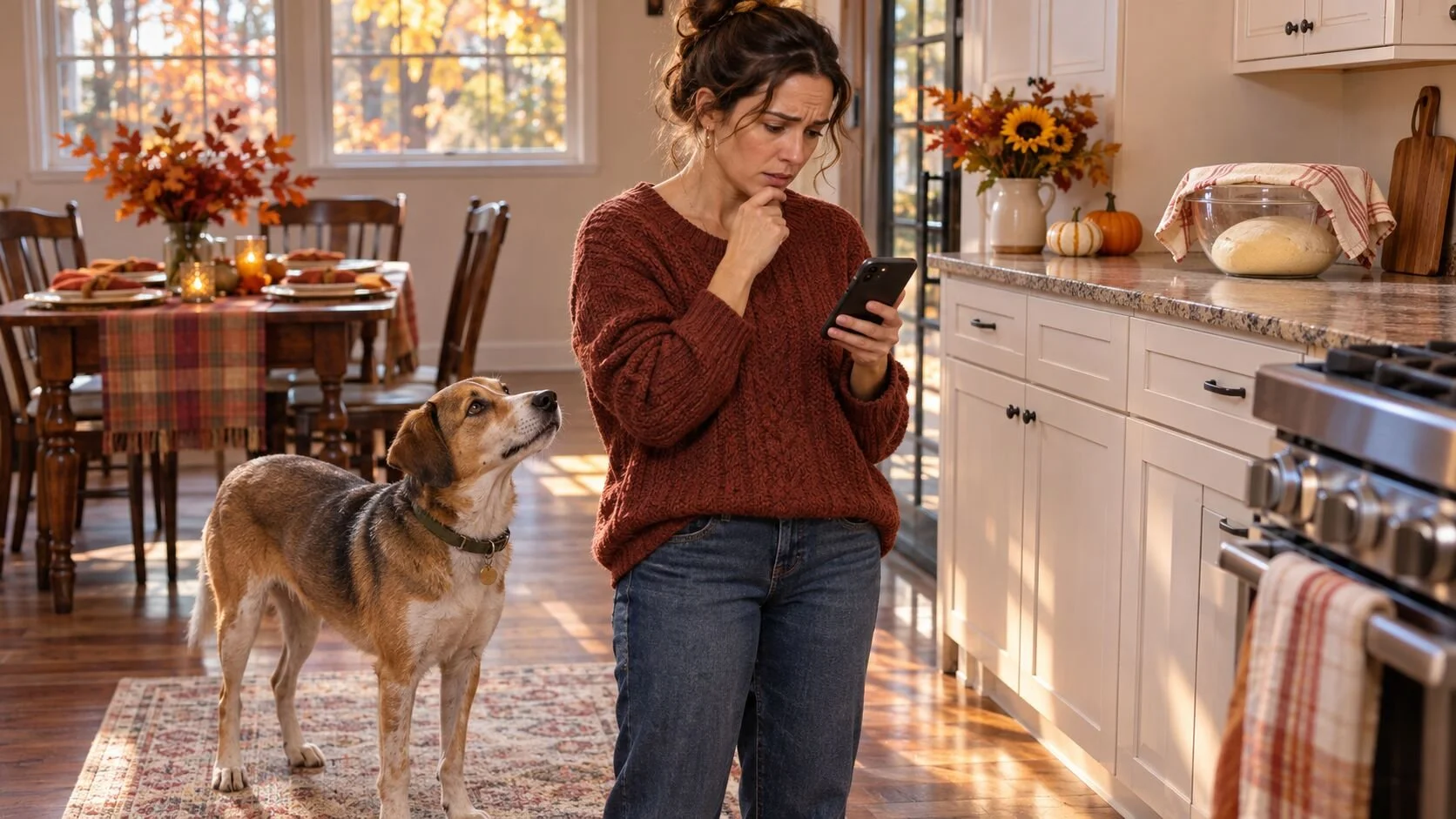
Before the Thanksgiving kitchen fills up, look at where you’ve left the dough to rise. A bowl can look out of the way from where you’re standing and still be within your dog’s reach. If your dog gets into it before baking, that’s different from stealing a finished roll. The yeast is still active, and the dough can keep changing after your dog swallows it.
If you think your dog ate raw yeast dough, call a veterinarian or a pet poison specialist right away, even if your dog seems fine. The recipe, amount and your dog’s condition all matter to the clinical team. There’s no established dose you can use at home to decide it’s safe to wait.
Two hazards in the same bowl
According to the Merck Veterinary Manual, a dog’s warm stomach can let raw yeast dough expand. The swelling can stretch the stomach and make breathing or circulation harder. A large mass can obstruct the stomach. Pet Poison Helpline says more severe complications, including twisting of the stomach or rupture, are possible but rare. Those are reasons for a prompt professional assessment, not a prediction that they will happen to every dog.
At the same time, fermenting yeast makes ethanol. The dog can absorb that alcohol. Merck describes possible effects on blood sugar, body temperature, acid balance and the central nervous system. A dog may be in danger even when a swollen belly is not the first thing you notice.
This is about uncooked dough made with baker’s yeast. Pet Poison Helpline includes active sourdough starter, too. A finished loaf or a different kind of batter isn’t the same as raw, rising dough. If you’re not sure which bowl your dog got into, tell the veterinary team what you know rather than trying to sort it out before calling.
Signs are information, not a waiting period
Some dogs look restless or uncomfortable. You might notice drooling, vomiting, a swollen belly or repeated efforts to vomit without bringing anything up. Stumbling, unusual drowsiness or behavior that looks like intoxication can occur, too. Severe cases may involve breathing trouble, collapse, seizures or coma.
Pet Poison Helpline says signs often begin within about an hour, although they can appear several hours later. That range does not create a safe observation window at home. The exposure itself is enough reason to call. If the dog is trying to vomit without bringing anything up, struggles to breathe, collapses or cannot stand normally, seek emergency veterinary care immediately.
What to do now
Call your veterinarian or the nearest veterinary emergency hospital as soon as you learn your dog ate raw yeast dough. Pet Poison Helpline is available around the clock at 855-764-7661; a consultation fee applies. If your regular veterinary clinic is closed, ask the emergency hospital where to bring your dog. Do not spend time waiting for swelling or calculating whether the amount seems small.
The team may ask how much your dog weighs, when the dough might have been eaten, what was in it and how much you think is missing. Tell them what signs you’ve noticed. If you already have the recipe, package or a photo, it may help identify the exposure. Don’t hold up the call or the trip to find it. It’s OK to say you’re not sure.
Don’t try to make your dog vomit or give a home antidote. ASPCA Poison Control advises speaking with a veterinary professional before inducing vomiting or giving anything by mouth. What’s appropriate depends on the exposure and how your dog is doing. Wait for directions for your dog instead of trying food, water, oil, salt or peroxide as a treatment.
A dog whose abdomen looks swollen or who repeatedly retches needs urgent evaluation. A dog that appears unsteady or unusually drowsy also needs prompt help. The veterinarian may consider both the expanding material and the ethanol exposure. What matters for the owner is getting expert guidance early, not trying to determine which mechanism is causing a sign.
Keep the dough unreachable
Choose a place for rising dough before you start baking. Think about what your dog can reach when a chair gets pushed out or someone moves a bowl to make room on the counter. Somewhere your dog genuinely can’t get to is better than a spot you hope no one will forget to watch.
A closed room or another secured location is more reliable than relying on a guest to keep watch. Keep active sourdough starter and raw scraps out of reach too. If visitors are helping with dinner, tell them not to set covered bowls on a chair, low table or the floor. Clean up dropped pieces and secure the trash before stepping away.
You can also give the dog a calm place away from the preparation area. That lowers the chance of a quick kitchen raid and keeps the cooking space easier for people to manage. It is a practical household step, not a substitute for veterinary help after an exposure.
Make the emergency call easier to make
If the house is crowded, put one person on the phone with the vet. Someone else can find the recipe, package or bowl if it’s handy. Tell the clinic that you suspect raw yeast dough so they don’t have to guess whether you mean a piece of finished bread. You don’t need to retrace everyone’s steps before making the call.
If this happens at someone else’s home, tell the veterinary team where you are and ask which open emergency hospital to use if you need one. Let them know if you aren’t sure whether it was bread dough, rolls or a starter. Follow the clinician’s instructions about getting your dog to care and what to do on the way.
A symptom that seems mild can change, and a dog may show a different mix of stomach and alcohol-related signs from another dog. Do not use an online photo of a swollen abdomen as a test. The veterinarian can examine the dog and decide whether imaging, monitoring or treatment is needed. Your job is to get the right people involved while the details are still fresh.
Early care matters
Pet Poison Helpline says the outlook is generally good when veterinary treatment starts early. Waiting and serious complications can make recovery less likely. That describes what can happen across cases, not what’s guaranteed for your dog. A veterinary team can assess the exposure and decide what care is needed.
The simplest plan is to secure the bowl before the kitchen fills up. If the dough goes missing and your dog may have eaten it, make the call immediately. You do not need a symptom checklist or a guess about the dose to ask for help.
Sources for editorial verification
Merck Veterinary Manual, “Bread Dough Toxicosis in Animals”: https://www.merckvetmanual.com/toxicology/food-hazards/bread-dough-toxicosis-in-animals?autoredirectid=14432
Merck Veterinary Manual, “Food Hazards”: https://www.merckvetmanual.com/special-pet-topics/poisoning/food-hazards
Pet Poison Helpline, “Bread Dough Poisoning in Pets”: https://www.petpoisonhelpline.com/veterinarian-blog/bread-dough-poisoning-in-pets/
Pet Poison Helpline, consumer emergency instructions: https://www.petpoisonhelpline.com/
ASPCA Poison Control, “What to Do if Your Pet Is Poisoned”: https://www.aspca.org/news/what-do-if-your-pet-poisoned
ASPCA, “What to Expect at the Emergency Veterinarian After Toxin Exposure”: https://www.aspca.org/news/what-expect-emergency-veterinarian-after-toxin-exposure
ASPCA, holiday baking advisory: https://www.aspca.org/news/holiday-baking-advisory-concerning-your-pets-dangers-dough
More stories
 Daily Doggy NewsPreparing Your Dog for a Holiday Boarding Stay
 Daily Doggy NewsThanksgiving Visitors and Dogs: A Practical Safety Plan
 Latest Daily Doggy NewsIowa Detonation: What Dog Owners Should Know
 Canine JournalKennel Cough: What Dog Owners Should Know
 Tyson’s LifeThe Boss Has Four Legs
 It MattersShould Ear Cropping Still Be Legal?