
Can Dogs Eat Sauerkraut? Benefits and Risks
While a pinch of plain sauerkraut usually won’t hurt most dogs, high sodium levels, hidden seasonings, and overhyped probiotic claims mean you should still proceed with caution. Here is what you should check before dropping a bite into their bowl.

Can dogs eat sauerkraut? Plain fermented cabbage is not automatically toxic to dogs, but that does not make every jar a good choice. The recipe, sodium level, storage method, serving amount, and your dog’s health all affect the answer.
Some people recommend sauerkraut for dogs because it contains cabbage, fiber, and—when it is unpasteurized—live microorganisms. Those features sound beneficial, but they do not prove that ordinary sauerkraut works as a canine probiotic or treats digestive disease. In practice, the possible nutritional value is modest because a dog should receive only a tiny amount.
This guide explains when dogs can have sauerkraut, which products to avoid, and why fermented food should never replace veterinary care.
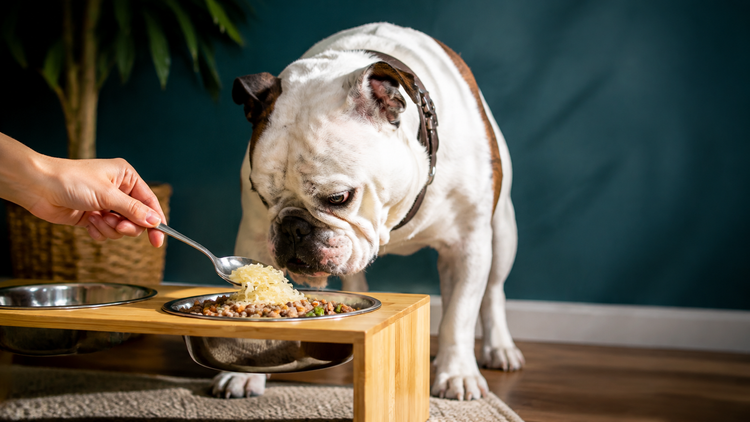
Is Sauerkraut Safe for Dogs?
Plain sauerkraut can be safe for many healthy adult dogs in a very small amount. A simple product made from cabbage, water, and salt is easier to evaluate than a flavored recipe with spices, meat, alcohol, or sweetener.
Safety does not mean necessity. Dogs do not need sauerkraut to obtain complete nutrition, and a complete and balanced dog food should remain the foundation of the diet. Sauerkraut is best viewed as an optional taste—not a supplement, medicine, or required source of probiotics.
The safest answer changes if your dog has kidney disease, heart disease, high blood pressure, pancreatitis, recurring diarrhea, inflammatory bowel disease, food sensitivities, or another condition affected by sodium or dietary changes. Puppies, seniors taking medication, and dogs eating prescription food should receive veterinary approval first.
Is Sauerkraut Good for Dogs?
Sauerkraut begins as cabbage, so it can provide a little fiber and small amounts of plant nutrients. Fermentation may also leave live microorganisms in raw, refrigerated products. These are possible qualities, not proof that sauerkraut produces a meaningful health benefit for an individual dog.
Fiber
Cabbage contains fiber, but a dog-safe taste of sauerkraut supplies only a small amount. More is not necessarily better: a sudden increase in unfamiliar fiber can cause gas, bloating, loose stool, or vomiting.
Live microorganisms are not automatically probiotics
The words fermented, live cultures, and probiotic are not interchangeable. The International Scientific Association for Probiotics and Prebiotics explains that fermented foods are not automatically probiotics. To qualify as a probiotic, identified microorganisms must be provided in an adequate amount and have evidence supporting a health benefit.
A jar of sauerkraut normally does not tell you which microorganisms remain, how many are present when your dog eats it, or whether those strains have been studied in dogs. Pasteurization, cooking, storage, and time can also reduce or eliminate live microorganisms.
Is Sauerkraut Bad for Dogs?
Sauerkraut becomes a poor or dangerous choice when it contains too much sodium, unsafe ingredients, or when a dog eats a large amount. Even plain sauerkraut can upset a sensitive stomach.
High sodium
Salt helps control fermentation, which means sodium is not an accidental ingredient in most traditional sauerkraut. The amount varies by brand and recipe, so read the Nutrition Facts label rather than relying on words such as “natural,” “traditional,” or “gut healthy.”
One small taste is different from eating a bowl or drinking the brine. Excess salt can cause intense thirst and gastrointestinal or neurological signs. Fresh water should always be available, and dogs with conditions requiring sodium restriction should not receive sauerkraut unless their veterinarian approves it.
Onion, garlic, leeks, and chives
Some prepared sauerkraut contains onion, garlic, leeks, chives, or seasoning blends. These members of the Allium family can damage a dog’s red blood cells. Raw, cooked, dried, and powdered forms can all be harmful; concentrated powders are especially concerning.
A label that lists “spices” or “natural flavors” without explaining them is a good reason to choose another product. For additional ingredient warnings, use our Foods Dogs Can’t Eat safety guide .
Stomach upset
Sauerkraut is acidic, salty, and unfamiliar to many dogs. Gas, bloating, vomiting, or diarrhea can occur even when the ingredient list contains nothing toxic. Introducing a large spoonful because it seems healthy creates unnecessary risk.
Do not test sauerkraut as a home remedy in a dog with ongoing digestive trouble. Diarrhea and vomiting have many possible causes, and adding fermented cabbage can delay diagnosis or make symptoms worse.
Unsafe homemade fermentation
Homemade is not automatically safer. Salt plays an important role in controlling the fermentation environment. Removing too much salt to make “dog-friendly” sauerkraut can affect the process and may increase the chance of spoilage or contamination.
If you already prepare sauerkraut using a tested food-safety method, a dog still needs only a tiny taste. Do not improvise a low-salt fermentation recipe for your pet unless you understand how the change affects food safety.
How to Choose Sauerkraut for a Dog
If your veterinarian has not told you to avoid it, choose the simplest product you can find. Ideally, the ingredient list should contain only cabbage, water, and salt.
Refrigerated, unpasteurized sauerkraut is more likely to retain live microorganisms than a pasteurized shelf-stable product. If your only goal is to let your dog taste sauerkraut, however, a clean ingredient list and reasonable sodium level matter more than a live-culture claim.
How Much Sauerkraut Can a Dog Eat?
There is no scientifically established sauerkraut dosage for dogs. Weight-based charts may look precise, but they are not recognized veterinary feeding guidelines.
For a first taste, offer only one or two plain shreds—not a spoonful. Watch your dog for the rest of the day. Do not offer more if you notice gas, vomiting, diarrhea, unusual thirst, itching, discomfort, or a behavior change.
If the first taste causes no problem, keep sauerkraut occasional rather than turning it into a daily topper. Treats and extras should never crowd out a complete and balanced diet.
Can Dogs Eat Different Types of Sauerkraut?
Can dogs eat raw or unpasteurized sauerkraut?
Some healthy dogs may tolerate a tiny amount of properly stored, plain, unpasteurized sauerkraut. It may retain live microorganisms, but that does not establish a probiotic effect. Discard products that are spoiled, improperly stored, moldy, or unexpectedly discolored.
Can dogs eat canned sauerkraut?
A tiny amount of plain canned sauerkraut may be tolerated, but canned products are often salty and have generally been heated. They may provide fermented-cabbage flavor without the live microorganisms people expect. Check both the ingredient list and sodium amount.
Can dogs eat cooked sauerkraut?
Plain cooked sauerkraut is not automatically toxic, although heat reduces or eliminates many live microorganisms. The full recipe matters more than the cabbage. Sauerkraut cooked with sausage, bacon, onion, garlic, butter, alcohol, or heavy seasoning should not be shared.
Should you rinse sauerkraut before serving it?
Rinsing may remove some brine and surface salt, but it cannot remove ingredients already incorporated into the recipe or tell you exactly how much sodium remains. If you rinse it, use cool water, drain it well, and still serve only a tiny amount.
Can dogs eat pork and sauerkraut?
Do not assume a pork-and-sauerkraut dish is safe because plain cabbage may be acceptable. These recipes often contain fatty meat, substantial sodium, onion, garlic, butter, or other seasoning. Rich, fatty food can also trigger digestive trouble and may be particularly risky for dogs with a history of pancreatitis.
Can dogs eat sauerkraut with caraway seeds or seasonings?
Plain sauerkraut is the safer choice. Caraway gives a dog no necessary nutritional advantage, and seasoning blends may hide onion, garlic, excess salt, or other unsuitable ingredients. If the complete recipe is not clear, do not share it.
Can Sauerkraut Help a Dog With Diarrhea?
Sauerkraut should not be used as a home treatment for diarrhea. Although people associate fermented foods with digestive health, ordinary sauerkraut has not been established as a treatment for canine diarrhea. Its salt, acidity, unfamiliar fiber, and uncertain microorganisms could make some dogs feel worse.
Contact your veterinarian if diarrhea is severe, contains blood, occurs with repeated vomiting or weakness, affects a puppy or senior dog, or continues beyond a short period. A veterinarian can determine whether testing, a diet change, a specific fiber source, or a strain-specific probiotic is appropriate.
What If My Dog Ate a Large Amount?
If your dog steals a large serving or drinks sauerkraut brine, check the package immediately. Look for onion, garlic, alcohol, artificial sweeteners, and the sodium amount. Call your veterinarian or an emergency veterinary hospital with the package, approximate amount eaten, your dog’s weight, and the time of exposure.
Watch for these warning signs:
- Repeated vomiting or diarrhea
- Excessive thirst or urination
- Weakness, unusual tiredness, or collapse
- Pale or yellow-tinged gums
- Rapid breathing or heart rate
- Poor balance, confusion, tremors, or seizures
Do not wait for severe symptoms if the product contains a dangerous ingredient.
Safer Ways to Support Your Dog’s Gut
A complete and balanced diet is the foundation of digestive health. If your dog has recurring gas, loose stool, constipation, vomiting, or appetite changes, the first step is identifying the cause—not randomly adding fermented foods for dogs.
Your veterinarian may recommend testing, a diet adjustment, a specific fiber source, or a probiotic containing strains studied for a particular purpose. “Natural” does not automatically mean more effective. With probiotics, the organism, strain, amount, intended benefit, and storage conditions matter.
Fast Facts and Answers
Is sauerkraut safe for dogs?
Plain sauerkraut can be safe in a very small amount for many healthy adult dogs. Avoid products containing onion, garlic, alcohol, artificial sweeteners, heavy seasoning, or inappropriate amounts of sodium.
Is sauerkraut good for dogs?
It may provide a little fiber and, when unpasteurized, live microorganisms. However, dogs do not need sauerkraut, and ordinary sauerkraut has not been proven to deliver specific probiotic or disease-prevention benefits to dogs.
Is sauerkraut bad for dogs?
It can be bad for dogs when it is heavily salted, contains unsafe ingredients, or is eaten in a large amount. It may also cause gas, diarrhea, or vomiting in sensitive dogs.
Can puppies eat sauerkraut?
Puppies have less room in their diets for unnecessary extras and can become sick more quickly from digestive upset. Ask your veterinarian before offering sauerkraut to a puppy.
Can dogs eat sauerkraut every day?
Sauerkraut should not become a daily supplement without veterinary guidance. Its sodium and uncertain microbial content make it a poor substitute for balanced food or a strain-specific probiotic.
Are fermented foods good for dogs?
Some fermented foods may be tolerated, but “fermented” does not prove that a food is safe, nutritionally appropriate, or an effective probiotic for dogs. Evaluate the complete ingredient list and ask your veterinarian before using fermented food for a health purpose.
Can I give my dog sauerkraut after it swallows an object?
No. Do not use sauerkraut as a home treatment. A swallowed toy, bone, string, plastic, or other object can cause a dog intestinal blockage , internal injury, or perforation. Call your veterinarian or an emergency veterinary hospital immediately. Do not give food, induce vomiting, or pull on visible string unless a veterinarian specifically instructs you to do so.
The Bottom Line
Dogs can eat a tiny amount of plain sauerkraut, but there is no strong reason they need it. Check the label, avoid unsafe additions, and begin with only one or two shreds if your veterinarian has not advised against it.
Do not assume fermented cabbage is automatically a proven probiotic, and do not use it to treat diarrhea, a swallowed object, or another health problem. Sauerkraut is best treated as an occasional taste—not medicine in a jar.
Sources & Further Reading
- U.S. Food and Drug Administration. Potentially Dangerous Items for Your Pet. View source →
- Merck Veterinary Manual. Garlic and Onion Toxicosis in Animals. View source →
- Merck Veterinary Manual. Salt Toxicosis in Animals. View source →
- International Scientific Association for Probiotics and Prebiotics. Do Fermented Foods Contain Probiotics? View source →
- Jensen and colleagues. Clinical Effect of Probiotics in Prevention or Treatment of Gastrointestinal Disease in Dogs. View source →
- VCA Animal Hospitals. Ingestion of Foreign Bodies in Dogs. View source →
Continue Reading
Dog Intestinal Blockage: Signs and What to Do → Dog Gut Health: The Truth Behind the Hype →
About the Author
Stephen Gill
Stephen Gill is the founder of Inspired by Tyson and editor of its dog-focused publications. His work focuses on canine health, behavior, everyday dog ownership, and issues affecting dogs and the people who care for them.
View Stephen Gill’s author profile →


Across five very different societies, hunting dogs and their people showed familiar ways of watching, guiding and working together. The findings offer a practical lesson about attention, trust and the everyday dog-human bond.