Dog Hair Loss: Causes, Treatment & Care
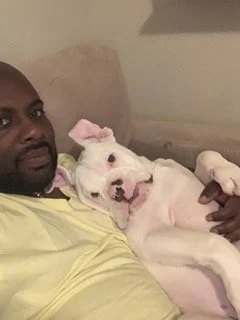
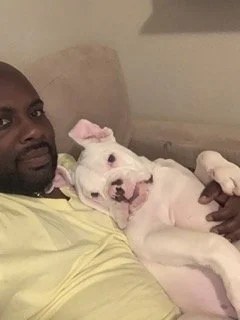
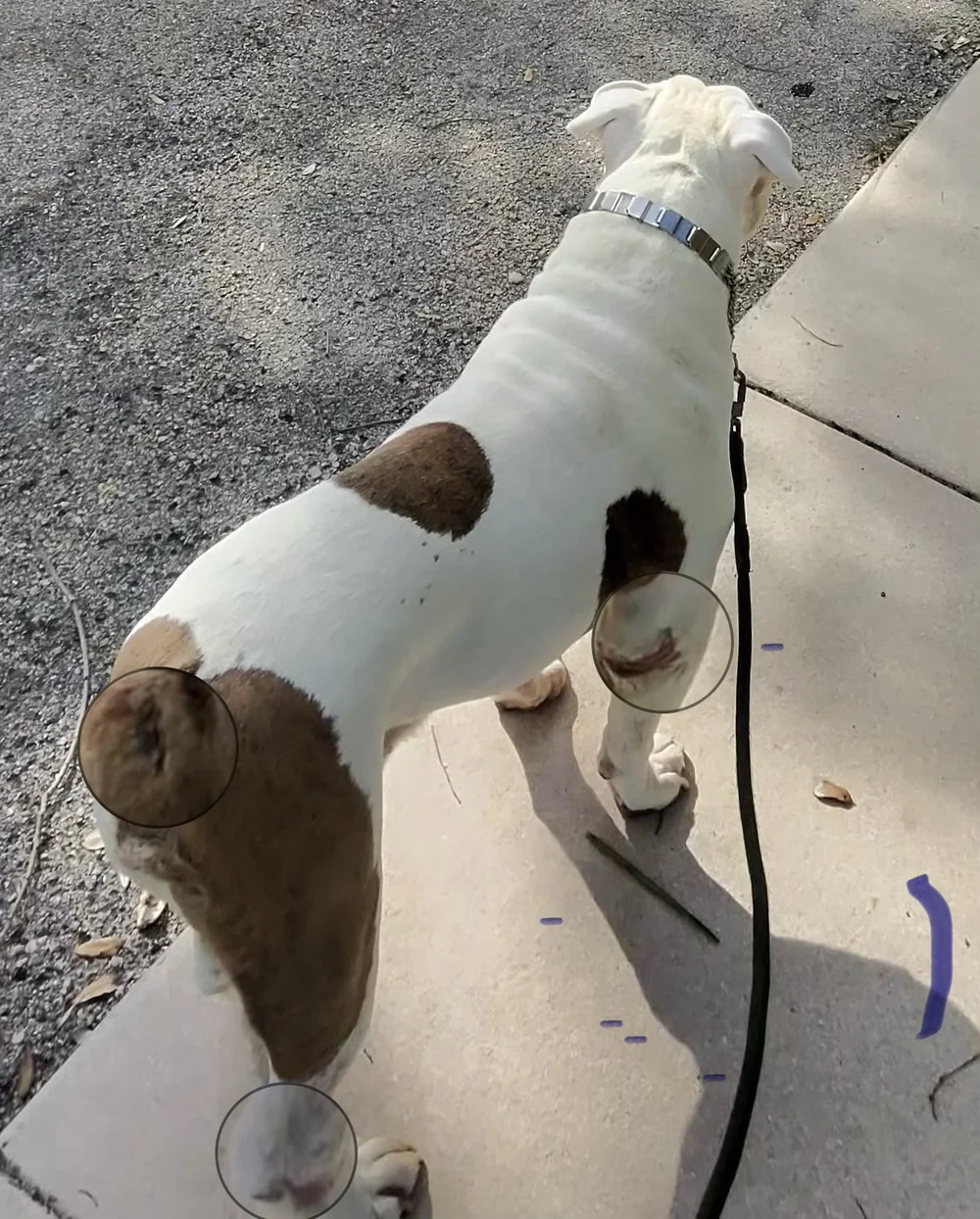
Bald spots, thinning fur, and nonstop scratching can look alike while having very different causes. Even Tyson has dealt with a small patch of elbow alopecia—here is what to notice, and why an accurate diagnosis matters.
Common Causes of Hair Loss
Parasites and allergies
Fleas, mites, and allergic reactions are frequent triggers. A dog may lick, chew, or scratch until hair breaks or falls out. Flea allergy can cause intense irritation even when you never see a flea. Environmental and food allergies may also produce recurring itch, ear problems, or red paws.
Skin infections
Bacterial or yeast infections can follow inflammation and may cause odor, scaling, crusts, or pimples. Ringworm is a fungal infection—not a worm—that can produce circular or irregular bald areas. Because ringworm can spread between animals, people, and shared objects, suspected cases need veterinary testing and careful household hygiene.
Hormonal, genetic, or internal disease
Thyroid or adrenal disorders can cause symmetrical thinning with little itching and may appear alongside weight, thirst, appetite, or energy changes. Some breeds also inherit coat disorders such as color dilution alopecia. Nutrition, medication reactions, immune disease, and less common skin disorders are additional possibilities.
What the Pattern May Tell You
How Veterinarians Find the Cause
Your veterinarian will examine the skin and the dog's overall health. Depending on the pattern, testing may include flea combing, skin scrapings, microscopic examination, fungal testing, bacterial or yeast sampling, bloodwork, allergy evaluation, or a skin biopsy. This step matters because treatments that help one condition can delay diagnosis or worsen another.
Treatment and Home Care
Treatment targets the cause: parasite control, prescribed antimicrobial or antifungal medicine, allergy management, therapy for an internal disorder, or a breed-specific care plan. Complete the prescribed course and keep follow-up appointments, even if the coat begins to improve. Hair often grows back only after the skin and hair cycle recover.
At home, prevent licking if advised, wash bedding as directed, keep parasite prevention current, and feed a complete and balanced diet. Avoid frequent bathing or harsh products; use only a veterinarian-recommended shampoo. If ringworm is suspected, limit close contact, wash hands after handling your dog, vacuum commonly used areas, and ask the clinic how to clean bedding and surfaces safely.
Frequently Asked Questions
Will my dog's hair grow back?
Often, yes—once the underlying cause is controlled. Timing varies with the diagnosis, severity, and the natural hair-growth cycle. Scarring conditions may cause permanent loss.
Can I treat a bald spot at home?
Gentle observation and photos are helpful, but medicated creams, oils, or leftover prescriptions can mask symptoms or be unsafe. Ask your veterinarian before applying anything.
Is dog hair loss contagious?
Most causes are not contagious, but ringworm and certain mites can spread. Until your veterinarian rules them out, wash hands and avoid sharing brushes, bedding, or clothing between pets.
The Bottom Line
Hair loss is a symptom with many possible causes, from parasites and allergies to infections and hormonal disease. The pattern of loss can offer clues, but only a veterinary exam and appropriate testing can confirm what is actually going on.
Do not guess at a diagnosis or reach for home remedies. Prompt, accurate treatment gives your dog the best chance at a full and comfortable recovery.
References
- Merck Veterinary Manual. Hair Loss (Alopecia) in Dogs. View source →
- Merck Veterinary Manual. Mite Infestation in Dogs. View source →
- Centers for Disease Control and Prevention. Ringworm Basics. View source →
- Centers for Disease Control and Prevention. Ringworm Prevention. View source →
- American Veterinary Medical Association. Veterinarians advised to watch for drug-resistant ringworm infections. View source →
Continue Reading
Flea Prevention for Dogs → Eye Infections in Dogs: What You Need to Know →
About the Author
Stephen Gill
Stephen Gill is the founder of Inspired by Tyson and editor of its dog-focused publications. His work focuses on canine health, behavior, everyday dog ownership, and issues affecting dogs and the people who care for them.
View Stephen Gill's author profile →