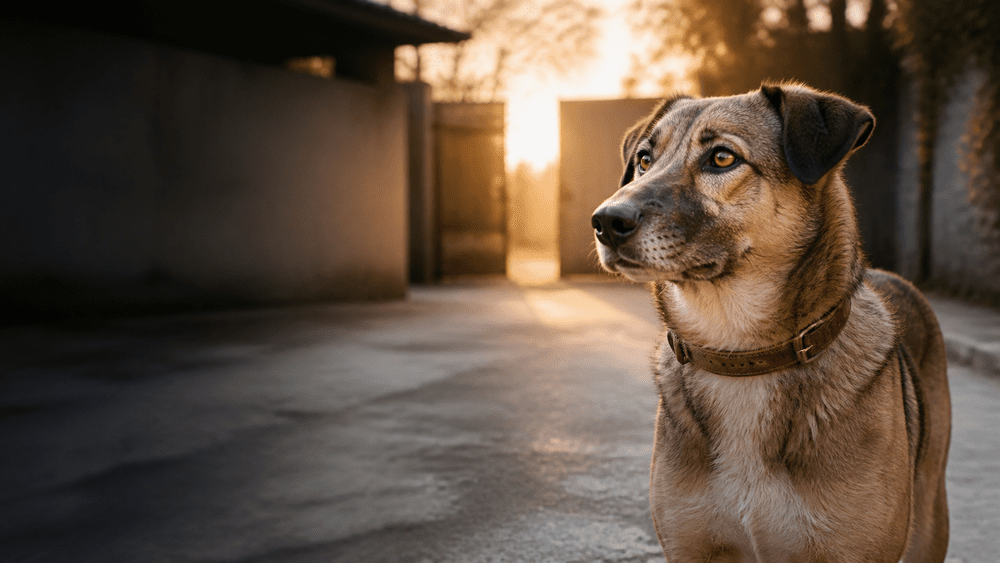
The Gangjin rescue brought more than 70 dogs out of a dog-meat farm, according to Humane World for Animals. Some have traveled to North America for rehabilitation, while mothers and puppies too young to fly remain in South Korea.
A rescue can be a turning point for an animal. It is not the same as a finished story.
More than 70 dogs were removed from a dog-meat farm in Gangjin County, South Korea, in late September, Humane World for Animals reported. The group says nearly 30 of the dogs later arrived in New York, 12 were transferred to its rehabilitation center in Montreal, and some mothers with puppies too young to travel remain in South Korea under its care. The organization expects those families to travel to North America in early 2027. [1]
The numbers describe different stages of a complicated transfer. Yonhap News Agency reported that 46 dogs were rescued early in the operation and sent overseas, while Humane World’s later update counted nearly 30 arrivals in New York and 12 dogs transferred to Montreal. The sources do not fully reconcile every dog’s location or travel status, so the safest conclusion is that more than 70 dogs left the farm, while the exact current count in each destination has not been published. [1][2]
For the dogs that have arrived, travel is only the beginning. Humane World says the New York arrivals are recovering at its Maryland care and rehabilitation center before placement with shelter and rescue partners. The group has not named those partners or published adoption listings for these particular dogs. That means readers should not assume a specific dog is available to adopt yet. [1]
What happens after a rescue?
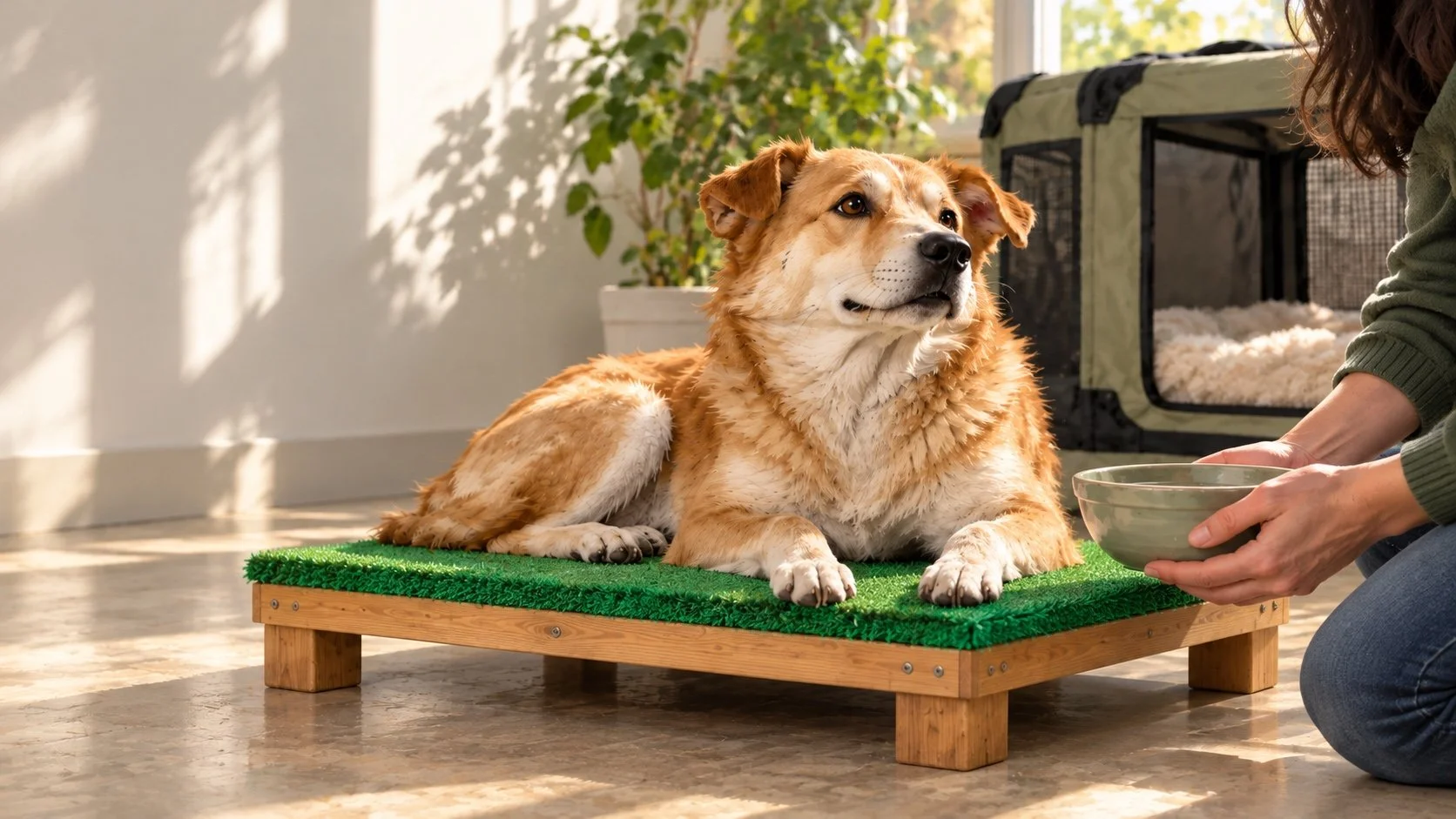
Dogs arriving from a large-scale rescue may need time to settle, receive veterinary care and become comfortable with unfamiliar people and surroundings. In this case, Humane World says its rescue process includes veterinary evaluation and vaccinations required for health and international travel. The organization has not published individual medical or behavioral records for the Gangjin dogs, so no particular dog’s recovery timeline can be stated. [1]
The next step, according to the group, is transfer to partner shelters and rescue organizations for adoption once the dogs are ready. The partners have not been identified publicly, and no direct application route for this group has been announced. [1]
If you are hoping to adopt one of these dogs, what is the useful next step? Follow Humane World’s official updates and wait for named placement partners or actual adoption listings. Avoid sharing unofficial posts that claim to have a specific dog available without confirmation from the organization or shelter responsible for that dog.
For now, readers can also help locally: shelters and rescue groups in their own communities need adopters, fosters and volunteers. That does not replace the work of the teams handling the South Korea rescue, but it is a practical way to support dogs who are already in care nearby.
A farm closure, and a law still being phased in
Humane World said the Gangjin farm was brought to local authorities’ attention after a member of the public contacted an animal-protection group. Authorities cited the farm for violations related to animal husbandry and management under South Korea’s Animal Protection Act. The farm’s 80-year-old owner agreed to relinquish the remaining dogs and signed a commitment to leave the dog-meat industry, according to the organization. The account is from a participant in the rescue. Independent reporting by Korea Daily also reported that more than 70 dogs from the Gangjin farm are headed to the United States and Canada. [1][3]
The rescue comes as South Korea phases out the dog-meat industry under a national law. The country’s Special Act on the Termination of Breeding, Slaughter and Distribution of Dogs for Consumption was enacted in February 2024. Its main prohibition takes effect February 7, 2027. South Korea’s Ministry of Agriculture, Food and Rural Affairs says that, as of May 2026, 1,265 of 1,537 registered dog-breeding farms had ceased operating, with 272 remaining. [4][5]
That is substantial progress in closing registered farms, but it does not mean every dog has already been rescued or that enforcement questions have disappeared. Humane World describes its Gangjin operation as its final large-scale dog-meat farm rescue in South Korea, while saying its work will shift toward monitoring compliance and enforcement. That is the group’s description of its own program, not proof that the country’s transition is complete. [1]
Why do the counts vary?
Readers may see several numbers in coverage of the rescue: more than 70 dogs removed from the farm, 46 reported by Yonhap as rescued and sent overseas in the operation, nearly 30 said by Humane World to have reached New York, and 12 transferred to Montreal. Those counts are not necessarily contradictory: they refer to different points in rescue and transport, and some mother dogs and puppies remained in South Korea. Still, the organizations have not published a single live count showing every dog’s location and status. [1][2]
The same care with numbers matters for the wider phase-out. The ministry’s farm-closure count refers to registered farms that had stopped operating by May 2026. It does not count rescued dogs, prove every unregistered operation has closed, or provide an individual outcome for every animal. A farm closure and an animal’s safe placement are related, but they are not interchangeable measures. [5]
What readers can watch for next
The clearest updates to look for are the dogs’ transfers to named shelter partners, the release of adoption listings, and the later travel of the mothers and puppies still in South Korea. Until those details are published, exact placement dates and individual adoption availability remain unknown.
The wider policy story also continues. The law’s principal ban takes effect in February 2027, and the ministry says hundreds of registered farms remained open in May. Reporting from Yonhap has also described concerns about enforcement, unreported dogs and the capacity of local shelters. These issues make follow-through important after the legal deadline, even as the Gangjin dogs begin a new chapter. [2][5]
What would you want the next update to answer: how the dogs are settling in, which shelters will handle placements, or how officials are tracking farms still in the phase-out? Those answers would help readers follow the rescue without treating a hopeful first step as the end of the work.