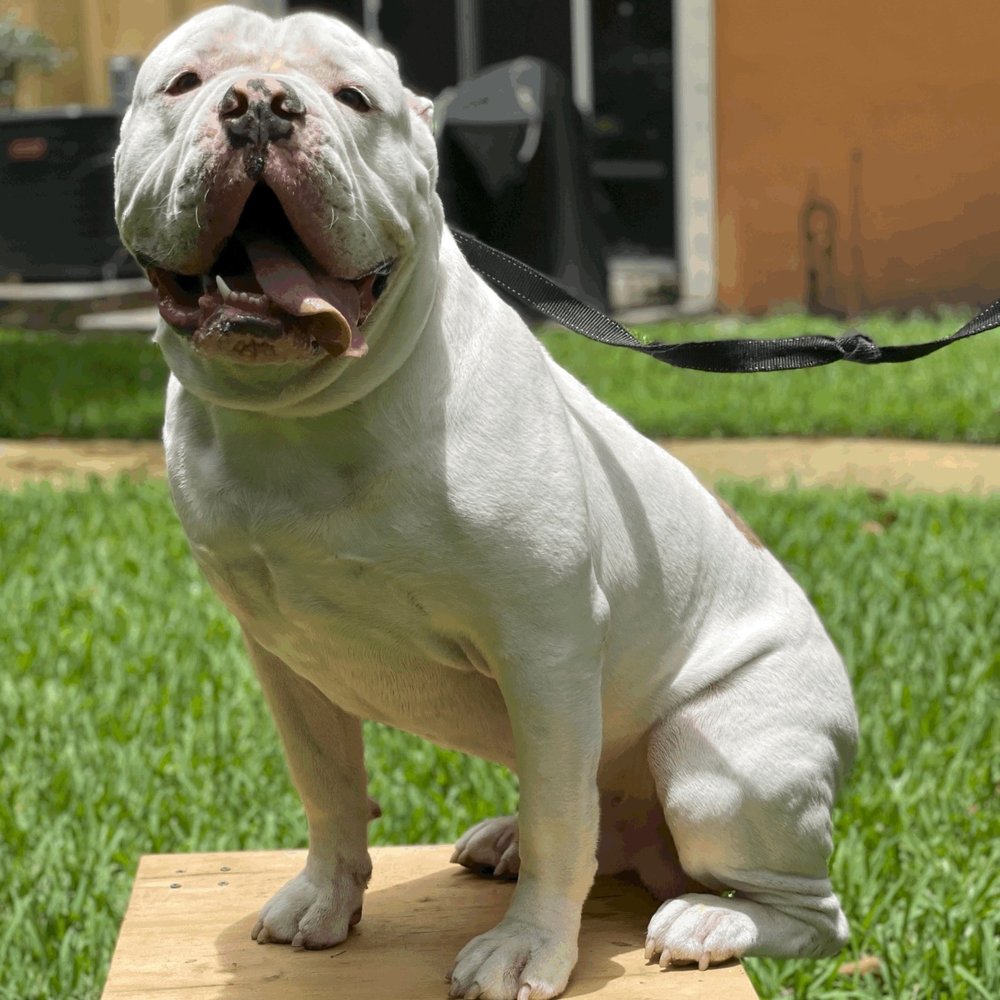

Rumi is having a year. In Rover’s 2026 Top Pet Names report, it sits at the top of the company’s list of trending U.S. dog names. Charlie and Luna, meanwhile, are still the most popular male and female names by volume.
It’s a fun snapshot. It just isn’t a count of every dog in America.
Rover published the report on October 20. The company says it analyzed millions of names that pet parents submitted on Rover.com. If you’re naming a puppy, you’ll find ideas here, along with a glimpse of the cultural references turning up in one large commercial platform’s records.
Read it with its limits in view. Rover doesn’t publish the exact number of U.S. dog records, the counts behind each percentage, or the minimum threshold a name had to clear to count as rising.
Popular and trending measure different things
Rover names Charlie the most popular male dog name in the U.S. and Luna the most popular female name. “Popular” here means the names that appear most often in Rover’s data. The release doesn’t give a full national ranking, and it doesn’t say how many dogs carry either name.
The trending list asks a different question: which names gained ground within Rover’s records?
Rumi leads, followed by Lumi, Melo, Benito, Ducky, Beatrice, Lottie, Junie, Cannoli and Maisey. Rover says Rumi rose 71%. It doesn’t give a growth figure for every name in the top 10.
So a name can be climbing fast and still be uncommon. A common name, on the other hand, can hold its spot at the top without showing up among the risers at all.
Big percentages need context
Some of Rover’s themed lists show eye-catching jumps. Saeris, a name from books, is reported up 520%. So is Mbappé, in the sports category. Tarragon, a cottagecore pick, is reported up 320%.
Those numbers describe change inside Rover’s dataset. They don’t tell you how many dogs were counted, how many had the name before, or how common it is among dogs whose owners never use Rover.
A name that starts from a small number can post a huge percentage without ever becoming widely used. Rover’s public materials don’t include enough of the underlying data for readers to check each calculation themselves.
The report also ties names to entertainment, athletes, food, books and aesthetics. Those links are Rover’s reading of the patterns. A name showing up next to a cultural reference doesn’t prove that the reference is why owners chose it.
What Rover’s data can and can’t measure
Rover’s records can show which names customers entered on its platform and how those entries changed under the company’s stated method. For a trend report, that’s useful.
It isn’t a random sample of U.S. dog owners. The public materials don’t explain how Rover handled duplicate records, spelling variations, household changes or repeat users. They also don’t show how closely Rover’s customers match the wider dog-owning population.
The research window is unclear, too. Rover’s press release describes June through September. The methodology footer on the report page says August through October. Both pages mention millions of names without giving an exact U.S. record count.
None of that is a reason to throw the report out. It’s a reason to describe it accurately, as a snapshot of Rover’s platform and not a national census.
A look back at names and their likely inspirations
Rover’s historical table pairs one trending name with a “Likely Inspiration” for each year from 2012 through 2026. Bella sits beside the final Twilight film. Pikachu sits beside Pokémon Go, Geralt beside The Witcher, and Kelce beside football and Travis Kelce.
It’s an entertaining walk back through the movies, games, sports and cultural moments that lined up with those names. Still, “likely inspiration” is Rover’s interpretation. It isn’t a survey in which owners explained why they picked a name.
The table also raises a counting question. Rover calls this its 14th annual report, yet the table runs from 2012 through 2026. Counted inclusively, that’s 15 calendar years. The materials we reviewed don’t explain the difference, so we’re leaving it as an open question rather than settling on a number.
What dog owners can take from it
If you’re naming a puppy, treat Rover’s list as an idea board.
Start with a name that’s easy to say in a calm voice and doesn’t sound like the everyday words you use around the house. Try it where you’ll actually use it: calling from another room, asking for a pause at the door, getting your dog’s attention in a busy park.
Then decide whether popularity matters to you. A familiar name can feel friendly and is easy for other people to remember. A less common one may help your dog stand out at the veterinarian’s office or in a training class. Neither is automatically better.
The report can help you notice what’s catching on. It can’t predict what every new puppy will be called. Your neighborhood, your language, your family history and plain personal taste will shape the choice more than a national headline will.
The bottom line
Rover’s 2026 report captures movement in names entered on one commercial platform. Rumi’s rise and Charlie and Luna’s lead by volume mean something within that dataset. They aren’t proof of how the whole country names its dogs.
Three takeaways:
- “Popular” and “trending” measure different things.
- A large percentage increase needs a baseline and a count before you can judge how big it really is.
- Rover’s cultural explanations are interpretations, not proven causes.
A dog’s name is a small decision, but it often says something about the person who chose it. Rover’s report offers a look at some of those choices. It’s most useful when you remember whose choices they are.