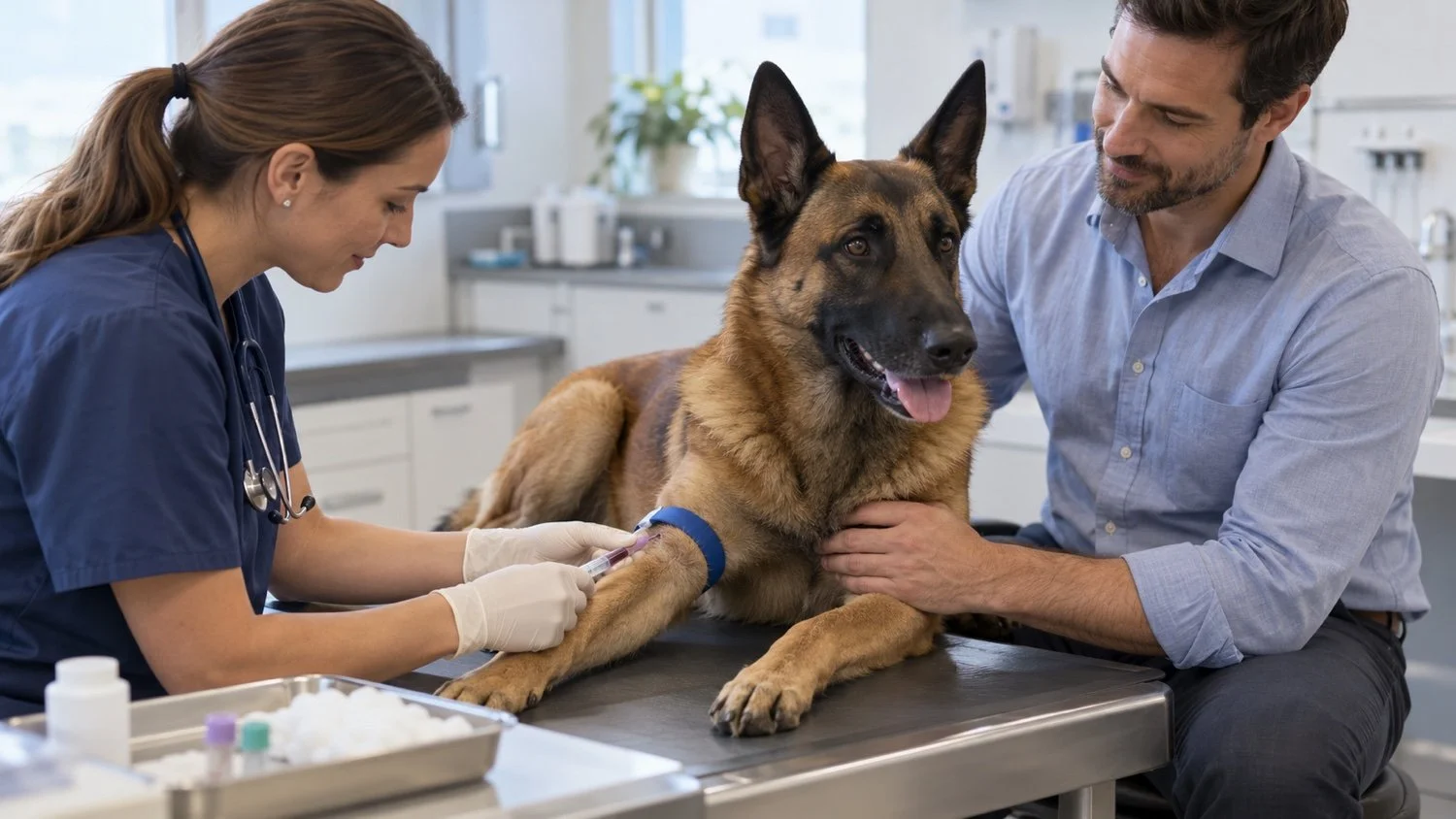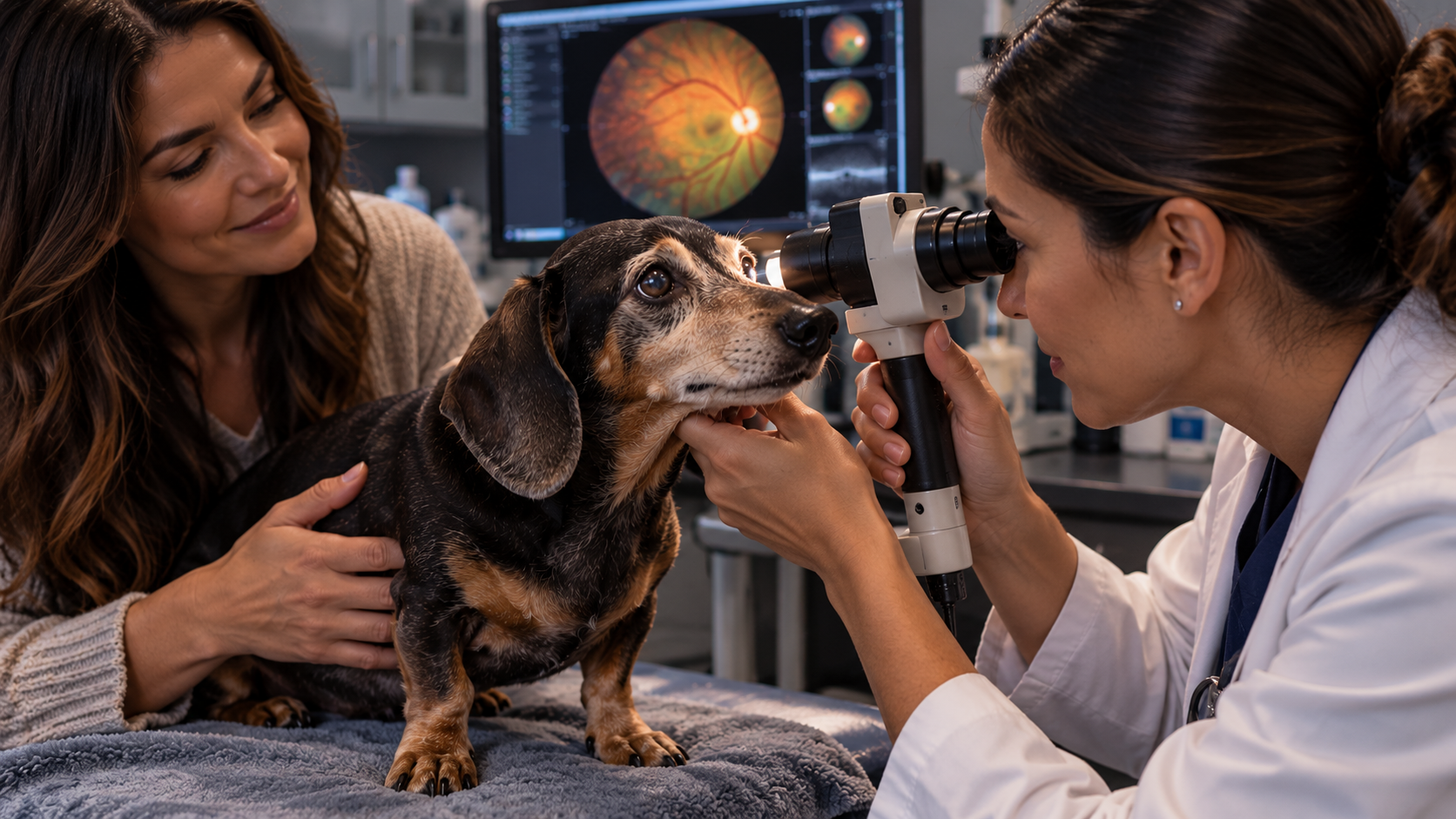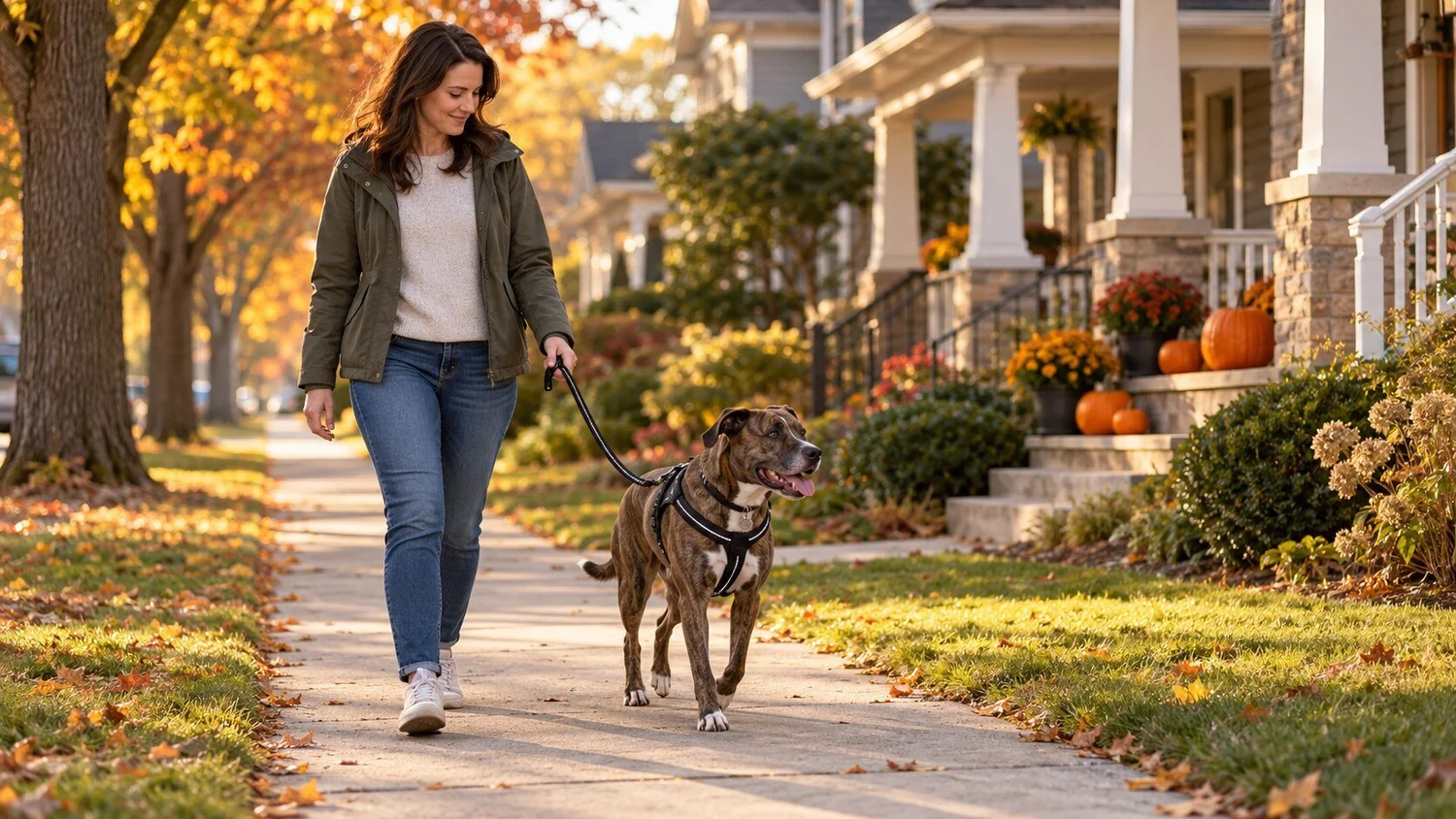
A new five-year phase of the Dog Aging Project will deepen research into the genetic, environmental and everyday factors that shape how dogs age.
The Dog Aging Project just received five more years of support from the National Institute on Aging, part of the National Institutes of Health. Texas A&M announced the funding on Oct. 27. The project follows nearly 55,000 companion dogs to understand why some stay healthy into old age while others develop disease or decline earlier.
The immediate news is funding, not a new treatment or a promise that a particular routine will make a dog live longer. The plan is supported by about $29 million over five years, beginning with a $6.1 million first-year award. That money lets the researchers continue following enrolled dogs over time and deepen the information they collect about their genes, health, food, activity and home environments.
For dog owners, the value is in the long view. A veterinary appointment gives a useful snapshot. A project that follows thousands of dogs across years can begin to show which questions deserve a closer look: Why do two dogs with similar diagnoses age differently? Which exposures or routines are worth studying more carefully? And how much of a dog’s future is shaped by size, genetics, environment, preventive care or something researchers have not yet identified?
What the next phase will study
The Dog Aging Project has already collected extensive information from owners about their dogs’ health, behavior and daily lives. In its next phase, researchers plan to add more direct measures of a dog’s environment. That includes drinking-water samples, tags that can absorb chemicals from the air and activity trackers for some participating dogs.
That matters because a label such as “urban,” “suburban” or “rural” cannot describe every part of a dog’s life. Two dogs can live in the same zip code but have different activity levels, diets, access to veterinary care, household exposures and routines. Direct measurements will not answer every question on their own, but they can give researchers a more precise starting point than surveys and public environmental data alone.
The project will also continue studying nutrition as dogs’ diets vary. The point is not to crown one food or one feeding plan as the answer for every dog. It is to look for patterns across a large, diverse group and identify questions that deserve more targeted study. The same approach applies to activity, behavior and health history.
Researchers are also interested in dogs that live unusually long lives for their size. Size matters because a 12-year-old Great Dane and a 12-year-old Chihuahua are not at the same point in the usual canine aging curve. By comparing dogs with others of similar size, the team hopes to identify exceptionally old dogs whose genetic and life-history information may provide useful clues.
What the recent longevity paper found
A new GeroScience paper from the project shows why that kind of follow-up matters. Researchers analyzed 41,047 dogs in the project’s 2024 curated data release. They used owner survey information collected at enrollment and followed mortality through the end of 2024.
The study examined 804 survey variables and identified 72 that were associated with mortality. Those variables were concentrated in health status, physical activity, behavior, environment and diet. The paper also found strong demographic patterns: smaller dogs had longer median lifespans than giant dogs, and some differences remained by sex and breed background after researchers accounted for size.
Those findings are useful, but they are not a to-do list for owners. “Associated with” means two things appeared together in the data. It does not show that one caused the other. A dog may be less active because an illness has already begun, rather than becoming ill because the dog took fewer walks. An owner-reported behavior or diet pattern can also be connected to other factors the study did not measure.
The researchers describe those limits plainly. The study is observational, relies in part on owner-reported information and cannot rule out confounding, reverse causation or selection effects. That is exactly why the next phase is important: it gives the project time to track changes, add more direct measures and test the most important questions with better-designed follow-up work.
What owners can use today
The practical message is not to chase a longevity shortcut. The best next step remains individualized, routine care. Dr. Kate Creevy, the project’s chief veterinary officer, points to preventive care, maintaining a healthy body weight, exercise and screening or monitoring tests at the right points in a dog’s life.
That can look different from one household to another. An older dog who is slowing down may need a veterinary assessment rather than a harder exercise plan. A dog with a chronic condition may need a care plan that fits its diagnosis, medications and mobility. A young, healthy dog may benefit from regular activity and a stable routine, but even then, there is no single schedule or product that researchers can promise will extend life.
Owners can also make better use of the observations they already have. Changes in appetite, drinking, sleep, mobility, bathroom habits, confusion, breathing or willingness to exercise are worth noting. A pattern is often more useful to a veterinarian than a vague sense that a dog is “not quite himself.” Bringing a short timeline, a video of a new movement issue or a list of questions can make an appointment more productive.
The project is designed to turn those ordinary observations, collected across many households, into better questions about canine aging. That is a slower process than a headline about a breakthrough, but it is the kind of work that can improve what veterinarians and owners know over time.
The Dog Aging Project is still enrolling dogs and owners. People who want to learn about participation can visit dogagingproject.org.
Sources and further reading
About the author
Stephen Gill
Stephen Gill is the founder of Inspired by Tyson and writes Daily Doggy News from real life with Tyson. His work covers dog ownership, behavior, safety, canine health, working dogs and the relationship between dogs and their people.
Read Stephen Gill’s full author profileRead More
Scroll or use the arrows to explore more stories.