USDA Expands Federal Oversight of Commercial Dog Breeders
USDA says enforcement against covered commercial dog breeders rose sharply in 2026, while proposed care standards and other oversight changes remain ahead.


Preferred source: USDA announcement on 2026 animal-welfare actions

The quick answer
The USDA’s Animal and Plant Health Inspection Service says it conducted more than 2,000 dog-breeder inspections and more than doubled its enforcement actions against noncompliant breeders in 2026. USDA is also sending more than 2,000 regulatory refresher mailings to breeding facilities and says Office of Inspector General special-agent investigator staffing will increase by 20 percent within the year. For 2027, USDA plans to propose updated dog-care standards; separately, it says it will review within six months breeders who surrendered a USDA or equivalent state license in the past two years. These plans are not final rules. Licensing depends on how and why dogs are sold—not just one threshold—so buyers should use the Animal Care Public Search Tool as one part of breeder research.
On September 21, 2026, Agriculture Secretary Brooke L. Rollins announced what USDA is calling a “new era” of oversight for commercial dog breeders in a USDA release. The announcement came at a Strikeforce roundtable that also involved the Department of Health and Human Services, the Department of Justice and USDA’s Office of Inspector General. For dog owners and anyone shopping for a puppy from a breeder, the announcement signals that federal scrutiny of the industry is tightening—and that more changes are coming.
What’s already changed in 2026
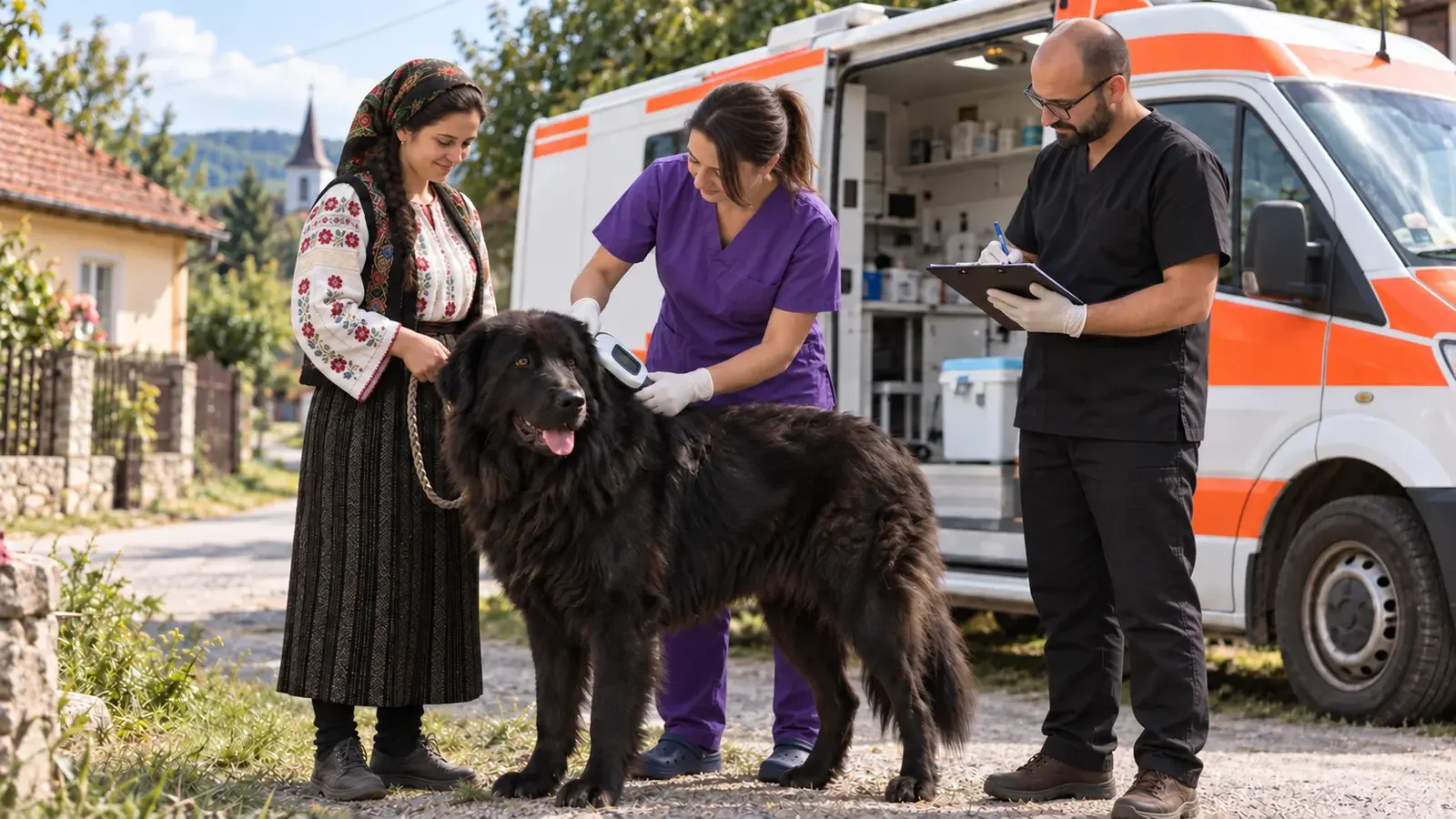
Under the Animal Welfare Act, commercial dog breeders that fall within USDA’s jurisdiction generally must hold a license and pass periodic inspections. According to the USDA release, APHIS conducted more than 2,000 breeder inspections in 2026 and trained 98 inspectors through a new four-part refresher series meant to make inspections more consistent from one facility to the next. The agency also says it resumed photographing violations found during inspections as part of its documentation process; the release does not state whether those photos are made public.
On enforcement, USDA reports it denied or terminated 8 breeder licenses, suspended 6, revoked 5 and issued 15 official warnings in 2026—more than double its enforcement activity compared with recent prior years, according to USDA’s figures. The agency also worked with the Department of Justice on three injunctive actions and supported five criminal investigations, three of which involved dogs specifically. To back that enforcement, USDA says it hired 12 new veterinarians, raised its financial support for veterinary students from $40,000 to $50,000 and established a dedicated Animal Protection Bureau focused on the toughest cases.
USDA also opened a formal public comment period earlier in 2026 asking for input on updating dog-care standards for the first time in more than three decades. The topics included veterinary and nutritional care for breeding females, the health effects of breeding practices, and exercise and socialization requirements. The comment period closed April 20, 2026, drawing more than 7,500 public comments, according to APHIS’s program update. The agency says that feedback will help shape a regulatory proposal planned for 2027.
What’s coming in 2027
USDA has been explicit that several of its highest-profile promises are not yet in effect. The agency says it plans to propose regulatory amendments strengthening Animal Welfare Act standards for dogs—addressing humane care, medical care, exercise, socialization and recordkeeping—based on the public comments it received. It also intends to increase its Office of Inspector General special-agent investigator staff by 20 percent and, within six months, review every breeder who has surrendered a USDA or equivalent state license in the past two years. USDA says it will pursue breeders who try to avoid Animal Welfare Act requirements, such as by operating without a license or restructuring a business to escape oversight.
The proposed care standards do not yet have final rule text or an effective date. They remain a plan, and the formal rulemaking process—including further public comment—must occur before any new standard takes effect. The staffing increase and surrendered-license review are separate oversight actions with their own timelines.
Which breeders actually need a license
USDA oversight does not reach every dog breeder, and that gap matters for buyers trying to understand this announcement. Under the 2013 Federal Register final rule and current federal regulations, USDA licensing can apply to wholesale dealers and other covered sellers. For retail pet sales, a breeder who sells dogs sight unseen generally cannot use the retail-pet-store exemption. A separate small-breeder exemption can apply when a person maintains four or fewer breeding females and sells only offspring born and raised on the premises, provided no other covered activity requires a license.
Dogs sold for hunting, security or breeding can also fall within the Act’s dealer definition, so those purposes are not a blanket exemption. A separate $500-a-year exemption exists in the same rule for other animal sales, but it does not apply to dogs or cats. The 2013 rule was written specifically to close a gap that let large-scale online and shipped-sight-unseen sellers avoid inspection. A small breeder who satisfies the retail-sale or small-breeder conditions may legally operate without appearing in USDA’s system. A missing license is not automatically a red flag—but it is a reason to ask more questions.
What this means for prospective owners
A USDA license means a breeder has been subject to at least some federal inspection, and USDA’s 2026 figures show more enforcement activity than in recent years. It does not mean every licensed breeder is a good one, and it does not mean an unlicensed breeder is automatically a bad one. Plenty of small, reputable breeders fall under the face-to-face exemption by design. A license, or its absence, is one data point—not a verdict.
How to check a breeder before you buy
The USDA Animal Care Public Search Tool lets anyone look up a licensee or registrant’s status and inspection reports before making a purchase or deposit. USDA’s page does not guarantee that every enforcement action or disposition appears there.
- Search the breeder’s name and business name before paying a deposit.
- Review the available inspection reports for repeated violations, warnings or suspensions.
- If the breeder is absent from the tool, ask whether a USDA license is required and why.
- Meet the puppy’s parents when possible and see where the litter is raised.
- Ask for veterinary records and clear answers about health testing, socialization and returns.
A pattern of serious or repeated problems is a reason to walk away. Combining the federal lookup with direct observation and documentation gives buyers a fuller picture than any one step alone.
The takeaway
USDA says 2026 brought more inspections, license actions and criminal-investigation support involving covered commercial dog breeders. Proposed care standards remain ahead, while the surrendered-license review and staffing increase follow separate timelines. Federal licensing depends on the seller’s activities, sales method and applicable exemptions; it is not captured by one simple threshold. Dog owners can use USDA’s Public Search Tool now as one part of checking a breeder before bringing a puppy home.
Top takeaways
- USDA/APHIS conducted more than 2,000 breeder inspections and more than doubled enforcement actions in 2026, including 8 licenses denied or terminated, 6 suspended and 5 revoked.
- A new Animal Protection Bureau and 12 newly hired veterinarians are meant to support tougher, faster enforcement.
- USDA plans to propose updated dog-care standards in 2027. Its surrendered-license review is a separate action scheduled within six months.
- Federal licensing depends on the seller’s activities and exemptions. Sight-unseen retail sales generally cannot use the retail-store exemption, while the four-or-fewer-breeding-females exemption has specific conditions. The $500 exemption does not apply to dogs or cats.
- Buyers can check a breeder’s USDA license status and available inspection reports for free using the Animal Care Public Search Tool.
Sources and further reading
- USDA: USDA Announces Actions Marking New Era of Animal Welfare — September 21, 2026.
- APHIS: USDA Seeks Public Input on Updating Dog Welfare Regulations.
- APHIS: USDA Animal Care Public Search Tool.
- Federal Register: Animal Welfare; Retail Pet Stores and Licensing Exemptions.
- eCFR: 9 CFR § 2.1 licensing requirements and application.
- eCFR: 9 CFR § 1.1 definitions.
Keep reading