
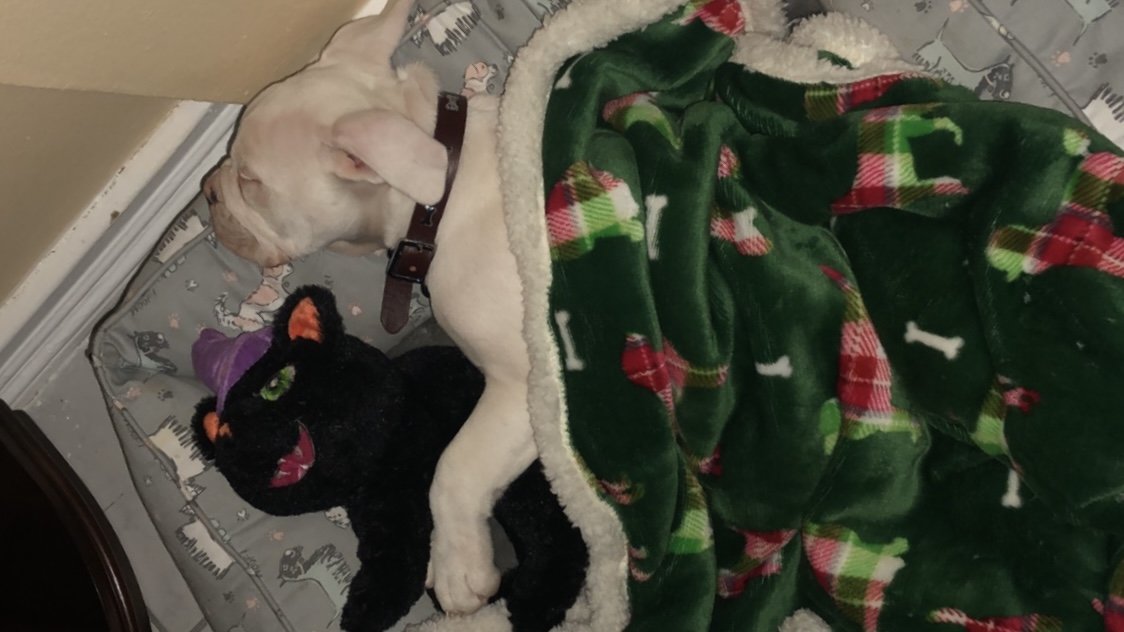
It happened on an ordinary evening inside our home. Tyson spotted something moving across the floor—a centipede, an unwelcome visitor that had found its way into our living space. The moment was brief but instructive: it revealed how seasonal and regional environmental factors create unexpected prey-drive triggers right inside the rooms where our dogs should feel safest.
Most dog owners focus on outdoor safety—securing backyards, removing hazards from grass and gardens. But environmental awareness for dogs extends far deeper than perimeter control. It requires understanding the seasonal and regional realities of pest activity, recognizing which creatures are most likely to enter your home during specific times of year, and preparing your indoor space accordingly. This is not about eliminating all risk. It is about informed, intentional preparation based on where you live and when.
Understanding Seasonal Pest Patterns
Pest activity is not random. It follows predictable seasonal cycles that vary dramatically based on geography, climate, and local ecology. In Florida, where humidity and warmth persist much of the year, certain pests remain active when they would be dormant elsewhere. Centipedes, for instance, thrive in moisture-rich environments and become more active during humid months or after heavy rain. They seek shelter indoors when outdoor conditions become extreme—too dry or too cold for their preferred habitat.
The seasons influence what enters your home:
- Spring: Warming temperatures bring increased insect activity. Ants, spiders, and centipedes expand their range indoors as they seek food and establish colonies. Entry points that seemed sealed during winter suddenly become active passage routes.
- Summer: Peak pest season in most regions. Heat drives creatures to seek cooler indoor spaces. Humidity increases pest reproduction rates. For dogs with high prey drive, summer often brings the most frequent encounters.
- Fall: As outdoor temperatures drop, pests migrate indoors in search of winter shelter. This is when many homeowners notice increased activity in basements, attics, and wall cavities—spaces dogs may access.
- Winter: Cold-climate regions see reduced pest activity, but heated homes create refuges for winter-active species. In temperate zones like Florida, winter offers no natural die-off; activity continues year-round.
Understanding your region's pest calendar is the first step toward environmental awareness. Research which pests are active in your area during each season. Contact local extension offices or pest management professionals for detailed seasonal pest forecasts specific to your location and climate zone.
Prey Drive and Indoor Encounters
Tyson's centipede encounter illustrates a critical interaction: the intersection of prey drive and indoor prey availability. Prey drive—the hardwired instinct to chase, capture, and investigate moving creatures—doesn't deactivate at your front door. When a seasonal pest enters your home, it activates the same predatory sequences that would engage in a backyard environment, but now within spaces you control less thoroughly.
The difference between indoor and outdoor prey encounters lies in urgency and containment. Outside, a dog's prey-drive response disperses into open space. Inside, the same drive concentrates in rooms with walls, furniture, and hiding spots. A centipede cornered behind a refrigerator or in a kitchen cabinet becomes a sustained focus point for a dog's investigative instinct.
Creating Seasonally Aware Home Safety
Environmental awareness for indoor dog safety requires a seasonal, regional approach. Rather than implementing static safety measures, adapt your home's protection based on what pests are active during the current season in your specific location.
Stage One: Assessment and Research
Before implementing any changes, understand your baseline:
- Contact your local county extension office and request seasonal pest activity calendars for your area
- Identify which specific pests are most common during each season where you live
- Learn which pests pose genuine health risks to dogs versus those that are harmless nuisances
- Determine entry points into your home (gaps around pipes, foundation cracks, door seals, utility penetrations)
- Document areas where your dog spends the most time and assess pest access to those zones
Stage Two: Seasonal Prevention
Prevention strategies should intensify during high-risk seasons in your region:
- Seal entry points: Weather stripping, caulk, and door sweeps become critical during peak pest seasons. Prioritize areas where utilities enter (pipes, cables, HVAC penetrations).
- Moisture management: Many pests seek moisture. Reduce humidity through proper ventilation, fix leaks promptly, and ensure basements and crawl spaces drain effectively. This particularly matters during humid seasons.
- Food source elimination: Remove what attracts pests. Store pet food in sealed containers, clean up spills immediately, and secure trash in sealed bins—especially critical during seasons when pest reproduction peaks.
- Perimeter inspection: Before each season, walk your home's exterior. Look for cracks, gaps, and damaged screens. Address problems before pests exploit them.
- Professional pest monitoring: During high-activity seasons, consider quarterly inspections from a licensed pest control professional who can identify vulnerabilities before they become problems.
Stage Three: Behavioral Preparation
Environmental awareness also means preparing your dog for the possibility of indoor encounters:
- Predictable response training: When your dog encounters a pest indoors, calmly redirect their attention rather than expressing alarm. Dogs read your emotional response; staying composed teaches them that indoor pests are not threats worthy of panic.
- Designated investigation zones: Identify safe areas where your dog can investigate without risk. Avoid allowing sustained focused attention on areas where pests could bite or where they harbor (behind appliances, under baseboards).
- Regular environmental checks: Before letting your dog into certain spaces (basements, garages, storage areas), inspect them briefly. This simple habit prevents surprises.
Regional and Climate Considerations
Environmental awareness is inherently local. A strategy effective in a dry climate may be inadequate in a humid one. A seasonal timeline that works in temperate zones may not apply in regions with year-round warmth.
Florida's specific challenges illustrate this point. The state's warm, humid climate supports year-round pest activity. Centipedes thrive here because conditions remain favorable across all seasons. Meanwhile, in northern regions, winter provides natural pest suppression—a luxury Florida owners do not enjoy. This means Florida residents must implement consistent, year-round prevention rather than seasonally intensive efforts.
Your region determines your pest calendar. Research your specific area's climate patterns and the pests they support. Adjust your environmental awareness strategy accordingly.
Moving Beyond Fear to Informed Preparation
Environmental awareness is not about fear. It is about information and intentional preparation. Tyson's centipede encounter could have been prevented through simple seasonal moisture management and entry-point sealing. It was not a failure of safety; it was a teaching moment about what prevention looks like when seasons and regions converge.
Dogs like Tyson thrive when their environments—both outdoor and indoor—are understood and managed thoughtfully. That management begins with recognizing that your home is not isolated from nature. It is part of a local ecosystem shaped by season, climate, and geography. Your job as a dog parent is to understand that ecosystem and adjust your preparation accordingly.
The goal is not to eliminate all pest encounters or to create sterile, risk-free spaces. It is to understand what your region and season will bring, to prepare accordingly, and to respond calmly when the inevitable seasonal visitor appears. That is environmental awareness—not paralyzing caution, but informed, seasonal vigilance.
Sources & References
This article emphasizes seasonal and regional environmental safety strategies for indoor dog spaces, distinguishing it from articles focused on prey-drive neuroscience or outdoor backyard enrichment.
- Mallis, A. (2004). "Handbook of Pest Control: The Behavior, Ecology, and Control of Household Arthropods." 9th Edition, Mallis Handbook LLC. — Comprehensive reference for understanding pest seasonal patterns and regional variations across North America and tropical regions including Florida.
- University of Florida IFAS Extension. (2022). "Centipedes in Florida: Biology, Prevention, and Control." Publication ENY-217. — Direct research on centipede seasonal activity patterns specific to Florida's climate and humidity levels.
- Potter, M. F. (2014). "Structural Pest Management: A Guide to Integrated Pest Management in and Around the Home." University of Kentucky College of Agriculture. — Evidence-based strategies for identifying entry points and implementing preventive barriers during seasonal peak periods.
- Rust, M. K., et al. (2018). "Urban Entomology: Insect Pests in the Built Environment." Encyclopedia of Entomology, 2nd Edition. — Documents how climate zones and seasonal cycles influence household pest species composition and activity timing.
- American Veterinary Medical Association (AVMA). (2023). "Pet Safety Around Common Household Pests." — Clinical guidance on distinguishing harmful pests from harmless visitors and managing pet exposure to seasonal pest activity.
As seasons change and your region's pest calendar shifts, remember Tyson's encounter as a reminder: environmental awareness is not a one-time setup. It is a seasonal, ongoing practice of understanding your local ecology and preparing your home accordingly. That preparation protects your dog while honoring the reality that we live alongside nature, indoors and out.



Across five very different societies, hunting dogs and their people showed familiar ways of watching, guiding and working together. The findings offer a practical lesson about attention, trust and the everyday dog-human bond.