
Our Heart Is Heavy Knowing That Mass Shootings Can Happen Anywhere, At Any Time
It’s a sad reality that mass shootings occur all too often in our society. Our heart is heavy knowing that we can no longer feel safe in any place or at any time. In the wake of these terrible tragedies, it’s important that we come together to find solutions.
The Devastating Impact of Mass Shootings
Mass shootings can be incredibly destructive and heartbreaking. They can take away innocent lives, leaving families and friends to grieve in their wake. Beyond the personal toll, mass shootings can also have a negative impact on the physical and mental health of those in the community, as well as on the economy and overall safety of the area.
What We Can Do To Combat Mass Shootings
It’s clear that we need to take action to reduce the risk of future mass shootings. Here are some of the steps we can take:
Ensure that firearms are only available to those who have been properly trained, screened, and licensed.
Implement common-sense gun control measures, such as background checks, waiting periods, and bans on certain types of weapons.
Increase access to mental health services, so that those who are struggling can get the help they need.
Create stronger laws to prevent the sale of firearms to convicted criminals and those with a history of violence.
Encourage responsible gun ownership and safe storage practices.
It’s also important that we come together to have meaningful conversations about the issue of gun violence. We must work together to find solutions that will make our society safer.
Conclusion
Mass shootings are a heartbreaking reality in our society. We must come together to find solutions that will reduce the risk of future mass shootings. By implementing common-sense gun control measures, increasing access to mental health services, and encouraging responsible gun ownership, we can make our society safer.
Community · Preparedness · Perspective
Mass Shootings: Awareness & Safety
A compassionate, practical guide to understanding the issue, supporting prevention, and preparing without allowing fear to control everyday life.
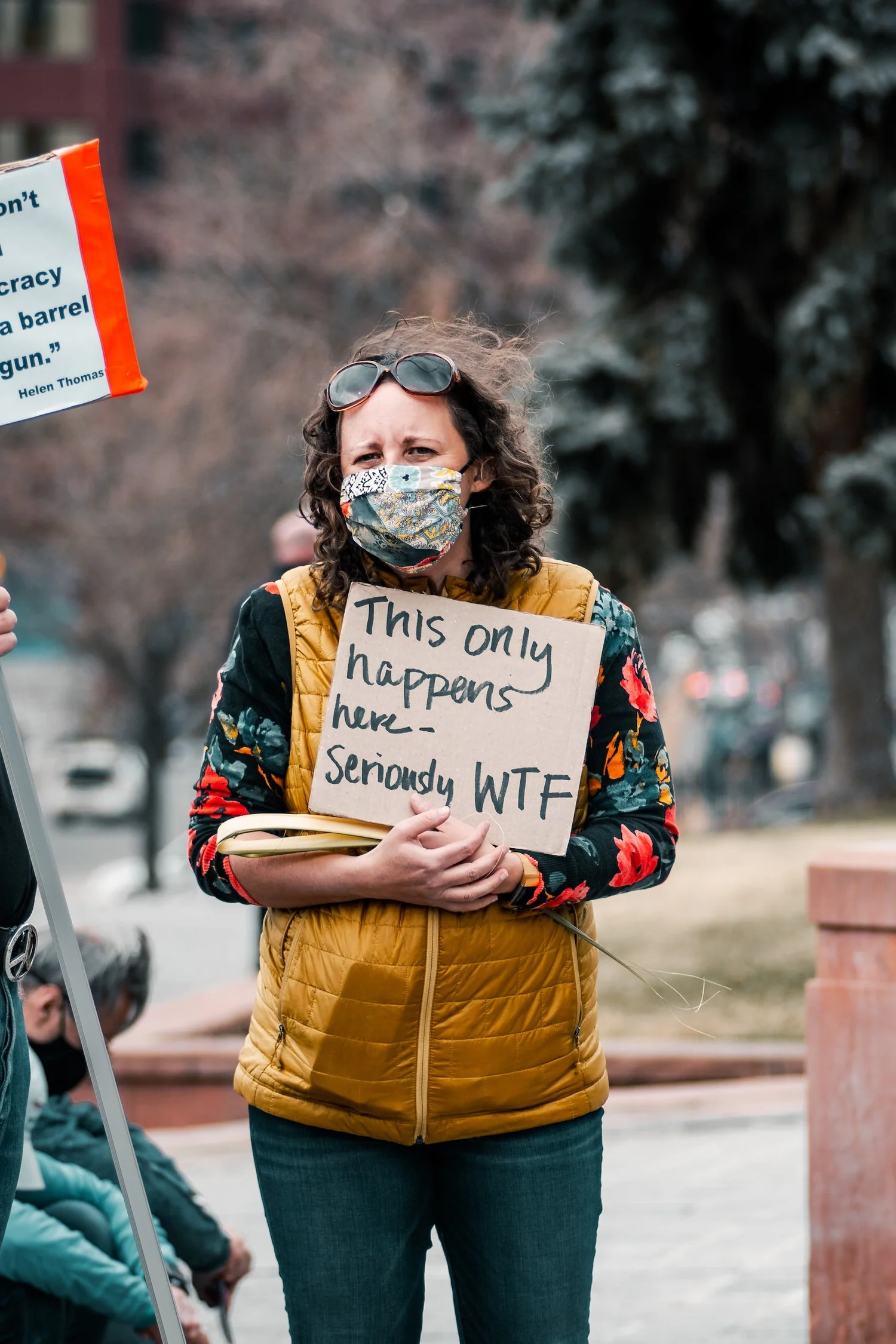
Mass shootings leave a lasting wound. Lives are lost, families are changed forever, survivors carry physical and emotional injuries, and entire communities may struggle with grief, fear, and uncertainty. Even people far from an incident can feel the effects through repeated news coverage, conversations at work or school, and concern for loved ones in public places. A useful response has to make room for that pain while also offering accurate information and practical action.
This article does not treat preparedness as a guarantee and does not reduce prevention to a single policy, diagnosis, or demographic. Violence is complex. Effective prevention involves families, schools, workplaces, health professionals, community organizations, law enforcement, responsible firearm storage, and people who are willing to report specific concerns before a crisis develops.
Use clear terms and reliable information
“Mass shooting” does not have one universal definition across every database, law, research project, or news report. The FBI separately defines an active shooter as one or more people actively engaged in killing or attempting to kill people in a populated area. Because definitions differ, statistics from different organizations should not be compared without first checking what each source counts.
The FBI designated 34 incidents as active-shooter incidents in 2025. That was an increase from 24 in 2024, yet still below the five-year average identified in the agency’s 2025 report. The report also notes that tips to law enforcement, school resource officers, and campus police contributed to potentially averted incidents. The larger lesson is not that every concerning person will become violent; it is that specific, credible information can give trained professionals an opportunity to assess risk.
What prevention can look like
Prevention works best when it begins before an emergency. Organizations can create multidisciplinary threat-assessment teams that evaluate behavior in context and connect people with appropriate support. Schools and workplaces can make reporting channels easy to find, establish emergency action plans, and practice procedures that account for people with disabilities, visitors, children, and anyone who may need language assistance.
Community prevention is broader than security. CDC guidance describes community violence as a public-health concern with consequences for health, education, business growth, and participation in neighborhood life. Protective environments, youth engagement, economic opportunity, trauma-informed services, and trusted relationships can all strengthen a community’s ability to interrupt violence and recover after it.
Responsible firearm practices are another part of prevention. Owners can follow applicable laws, prevent unauthorized access, use secure storage, and keep firearms away from anyone who presents an immediate risk to themselves or others. Families should discuss storage before children visit another home, just as they would ask about pools, pets, or medication.
Report behavior, not identity
A responsible report describes observable facts: a direct threat, repeated statements about harming people, attempts to acquire weapons for a stated attack, surveillance of a target, a detailed plan, or a sudden escalation in threatening conduct. Race, religion, disability, political views, clothing, social awkwardness, or a mental-health label do not by themselves establish dangerousness. Avoid confronting a person or investigating on your own. Preserve relevant messages and give them to the appropriate authority.
For an immediate threat, call 911. For a non-emergency concern, use local law enforcement, a school or workplace reporting process, or the FBI tip channel when appropriate. A good report explains who was involved, what was said or observed, where and when it occurred, and why the behavior caused concern.
Prepare without living in fear
Preparedness should be brief, practical, and proportionate. When entering a workplace, theater, school event, house of worship, or other gathering, notice the nearest two exits. Keep your phone charged, enable official emergency alerts, and know where your group would reconnect if separated. At work or school, learn the emergency plan instead of assuming someone else will know what to do.
- Before an incident: know exits, emergency contacts, accessibility needs, and the organization’s alert system.
- If violence begins: move away if a safe path exists. Leave belongings behind and help others only when doing so does not trap you.
- If you cannot leave: hide out of view, secure the space when possible, silence devices, and remain quiet.
- When responders arrive: keep hands empty and visible, avoid sudden movements, and follow directions. Their first task is to stop the threat.
- Afterward: seek medical care, follow reunification instructions, and avoid sharing unverified names, images, or claims.
CISA and Ready.gov provide official materials that families, businesses, schools, and community groups can adapt. Organizations should review plans with local first responders and update them when facilities, staffing, or access needs change.
Support recovery and responsible conversation
People respond to traumatic events differently. Some want information and connection; others need distance from coverage. Common reactions can include sleep problems, difficulty concentrating, irritability, fear, grief, or feeling constantly on alert. Support may come from family, community leaders, counselors, victim-service organizations, faith communities, or health professionals. If distress interferes with daily life or continues, professional help is appropriate.
Children benefit from calm, age-appropriate explanations. Ask what they have heard, correct misinformation, limit repetitive graphic coverage, and remind them which adults and safety systems are available. Avoid promising that nothing bad can ever happen. A more honest reassurance is that adults prepare, communicate, and work together to protect them.
Responsible public discussion matters too. Do not amplify manifestos, rumors, graphic images, or unsupported claims. Center victims and community needs rather than turning the attacker into a celebrity. Confirm information through official sources, and pause before reposting content that may expose families to additional harm.
Frequently asked questions
What should I report if I am concerned?
Report specific threats, statements, weapons concerns, planning behavior, or major changes that suggest preparation for violence. Share what you directly observed and where it occurred. Call 911 for an immediate danger; use a designated non-emergency channel when the risk is not immediate.
How can families prepare without creating constant fear?
Keep the conversation short and practical. Identify exits and a meeting place, enable alerts, and explain that trusted adults may give instructions during an emergency. Preparation is a safety habit, not a prediction.
Where can organizations find official resources?
CISA offers preparedness training and emergency-action-plan materials. Ready.gov provides public guidance for incidents at mass gatherings, and the FBI publishes current active-shooter reports, prevention information, and safety resources.
References
- FBI: 2025 Active Shooter Incidents in the United States
- FBI: Prevent Mass Violence
- CISA: Active Shooter Preparedness
- CISA: Emergency Action Plan Product Suite
- Ready.gov: Mass Gathering Incidents
- CDC: About Community Violence
This article provides general educational information. Follow local authorities and your organization’s emergency procedures during an actual incident.

